

China's Railgun Milestone: Guided Projectile Prototype Passes Real Firing Test
Translated from English, summarized and contextualized by DistantNews.
At a glance
News
Named sources
Context piece
- - China has achieved a milestone in railgun technology with a guided projectile prototype successfully passing a real firing test.
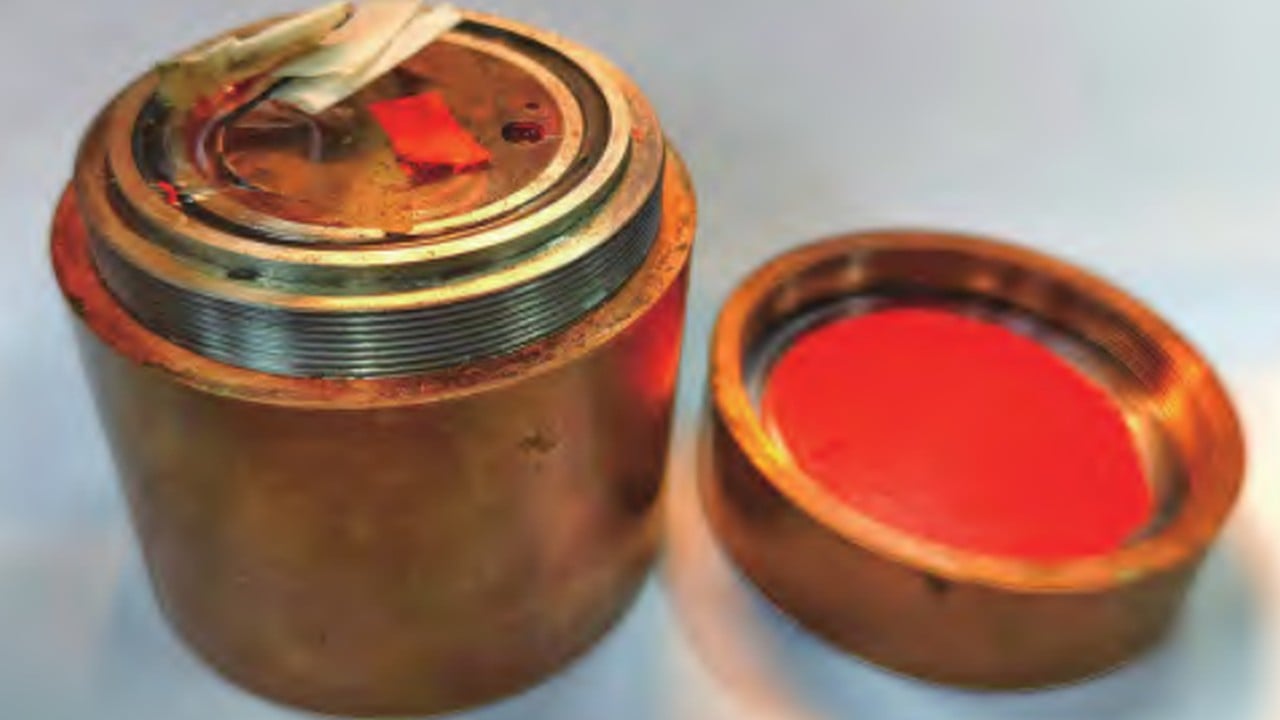
- Researchers developed a guidance chip capable of withstanding extreme forces, including 20,000g-force overload and a 7 Tesla magnetic flux density.
- This breakthrough overcomes a long-standing challenge in railgun development, enabling projectiles to steer themselves to targets.
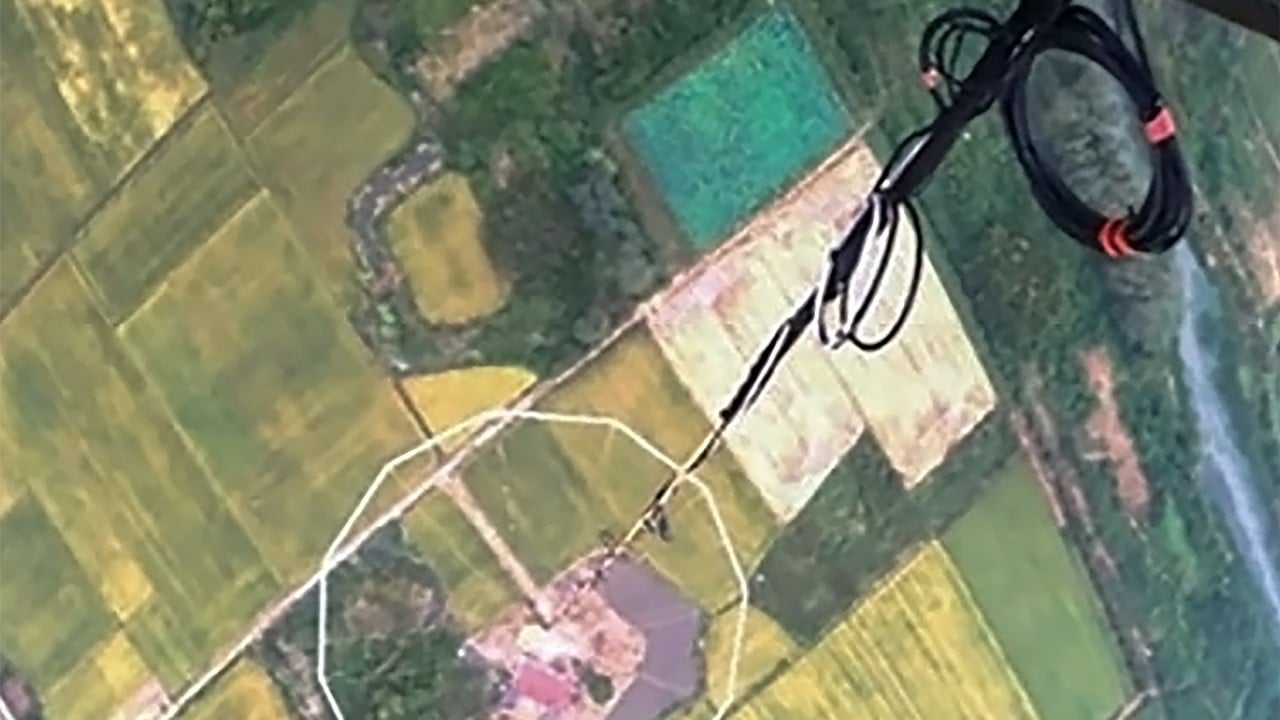
Chinese engineers have overcome a significant hurdle in electromagnetic railgun technology, successfully testing a guided projectile prototype that can survive extreme firing conditions.
For decades, weapon designers have grappled with the challenge of embedding delicate guidance systems within projectiles subjected to immense pressures and magnetic forces during railgun launch. The internal environment can reach pressures equivalent to an elephant standing on every square inch of a human body, coupled with intense magnetic storms.
A recent publication in the Journal of North University of China details a breakthrough achieved by a team led by associate professor Ge Shuangchao. Their research demonstrates that a smart projectile prototype not only endured the harsh conditions of a railgun launch but also recorded the entire experience.
During a real-world firing test, the prototype successfully navigated the extreme environment. It withstood an 8-millisecond pulse width, a G-force overload of 20,000g, and a magnetic flux density of 7 Tesla. This successful test marks a critical advancement, potentially enabling future railgun projectiles to actively steer towards their targets.
The electromagnetic rail gun experiment verified that it can survive an extreme environment of an 8 ms pulse width, 20,000g-force overload, and a 7 T magnetic flux density.
DistantNews Editorial
Originally published by South China Morning Post in English. Translated, summarized, and contextualized by our editorial team with added local perspective. Read our editorial standards.
More Stories


From Our Blog

Countries Without a Free Press: What You Need to Know

What Press Freedom Means for the News You Read

What Gets Lost (and Found) When News Is Translated

The Critical Role of Diaspora Media in Global News

What Travellers Should Know About Countries with Restricted Press
