

China's rare earth reserves could be much larger than reported: leading geologist
Translated from English, summarized and contextualized by DistantNews.
At a glance
News
Named sources
Context piece
- China's Bayan Obo mine, the world's largest rare earth deposit, may hold significantly more resources than previously reported.
- New research suggests the deposit formed through multiple geological events, including a younger mineralisation phase crucial for its formation.
- This finding could impact global rare earth supply, as the mine has been a dominant source since the 1990s.
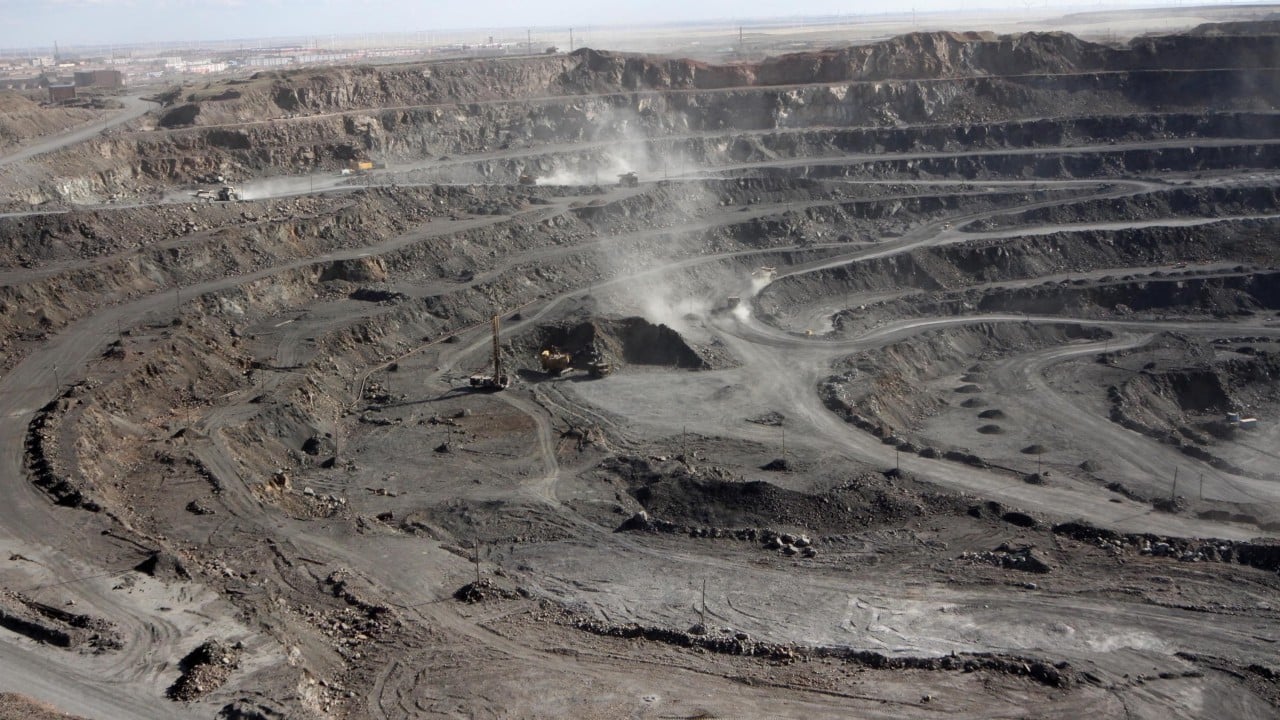
Geologists now believe China's Bayan Obo mine, the world's largest known rare earth deposit, contains far more resources than currently reported. The mine, located in the Inner Mongolia autonomous region, has been a critical source for global rare earth production since the 1990s.
According to Peking University geologist Yang Li, the deposit's reserves may not reflect its full geological potential. His team's research indicates that Bayan Obo formed not from a single geological event, but through multiple stages of carbonatite activity. This volcanic process involves the eruption of carbonate-rich lava.
Bayan Obo’s rare earth resources have been the dominant source of global rare earth production since the 1990s.
Yang's study, published in Science Advances, highlights a younger mineralisation event that played a key role in forming the deposit. "Our most important finding is that Bayan Obo not only contains 1,300 million-year-old igneous carbonatite but also 430 million-year-old carbonatite, and the second phase was key to mineralisation," Yang stated. This discovery suggests a more complex geological history and potentially larger reserves than previously understood.
Our most important finding is that Bayan Obo not only contains 1,300 million-year-old igneous carbonatite but also 430 million-year-old carbonatite, and the second phase was key to mineralisation.
DistantNews Editorial
Originally published by South China Morning Post in English. Translated, summarized, and contextualized by our editorial team with added local perspective. Read our editorial standards.
More Stories


From Our Blog

Countries Without a Free Press: What You Need to Know

What Press Freedom Means for the News You Read

What Gets Lost (and Found) When News Is Translated

The Critical Role of Diaspora Media in Global News

What Travellers Should Know About Countries with Restricted Press
