

China's Shipyards Secure Wave of Oil Tanker Orders as Iran War Drives Demand
Translated from English, summarized and contextualized by DistantNews.
TLDR
- Chinese shipyards are receiving a surge of orders for large oil tankers, particularly Very Large Crude Carriers (VLCCs), driven by disruptions in the Strait of Hormuz.
- Shipping companies are expanding capacity to navigate longer routes and mitigate risks associated with the ongoing conflict involving Iran.
- Major orders have been placed by Swiss and Singaporean firms, with deliveries expected between 2027 and 2030, benefiting Chinese shipbuilders due to their capacity, cost-effectiveness, and shorter delivery times.
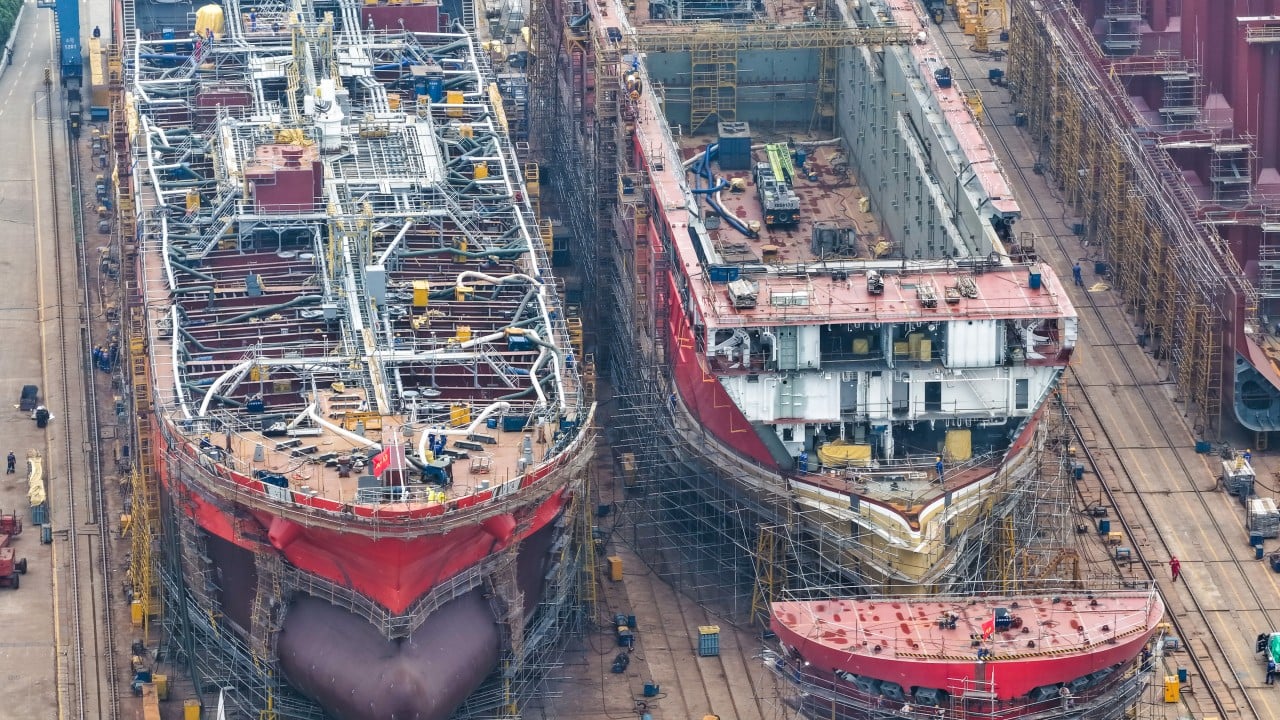
The ongoing conflict involving Iran and the resulting disruptions to maritime trade routes, particularly the Strait of Hormuz, are creating significant opportunities for China's shipbuilding industry. As global demand for oil tankers, especially Very Large Crude Carriers (VLCCs), escalates due to crude transport bottlenecks, Chinese shipyards are emerging as key beneficiaries, securing a wave of new orders. This surge in demand is a direct consequence of shipping companies scrambling to enhance their capacity to navigate longer, safer routes, thereby avoiding the heightened risks in the Persian Gulf.
Companies like Switzerland's Advantage Tankers and Geneva-based Mercuria Energy Group, along with Singapore's Yangzijiang Maritime Development, have placed substantial orders for VLCCs and other large tankers with Chinese shipbuilders. These orders, valued in the hundreds of millions of dollars, reflect a strategic shift towards Chinese yards, which offer competitive advantages in terms of strong capacity, lower costs, and more efficient delivery schedules compared to traditional shipbuilding hubs. The industry journal China Ship Survey has been instrumental in reporting these developments, highlighting the growing reliance on Chinese maritime manufacturing capabilities.
This trend not only bolsters China's position in the global shipbuilding market but also underscores the geopolitical ramifications of the current conflict. The extended transit times and the strain on existing fleets, exacerbated by aging vessels, have created a perfect storm for increased tanker demand. Chinese shipyards, with their robust infrastructure and skilled workforce, are well-positioned to meet this demand, further solidifying their role in global supply chains. The value of existing vessels under construction, like the Advantage Visual, has also seen a significant increase, demonstrating the market's upward trajectory.
From a Chinese perspective, this influx of orders represents a significant economic boon and a testament to the country's industrial prowess. While Western media might focus on the geopolitical tensions driving the demand, the Chinese narrative emphasizes the nation's capacity to meet global logistical needs efficiently and cost-effectively. This development highlights how international crises can inadvertently strengthen China's economic and industrial influence, particularly in strategic sectors like maritime transport.
DistantNews Editorial
Originally published by South China Morning Post in English. Translated, summarized, and contextualized by our editorial team with added local perspective. Read our editorial standards.
More Stories

From Our Blog

Countries Without a Free Press: What You Need to Know

What Press Freedom Means for the News You Read

What Gets Lost (and Found) When News Is Translated

The Critical Role of Diaspora Media in Global News

What Travellers Should Know About Countries with Restricted Press
