


China sends archaeologists to South America to trace ancestral links for the first time
Summarized and contextualized by DistantNews.
At a glance
News
Named sources
Context piece
- Chinese archaeologists are undertaking their first field project in South America, seeking ancestral links.
- The collaboration with Peru will involve surveys and excavations in the Caral archaeological zone.
- The project aims to gather data on early American civilizations for comparative studies and a Chinese academic perspective on global research.
For the first time, Chinese archaeologists are embarking on a field project in South America, aiming to uncover ancestral connections between ancient Chinese and native American civilizations. This initiative marks a significant step in international archaeological collaboration.
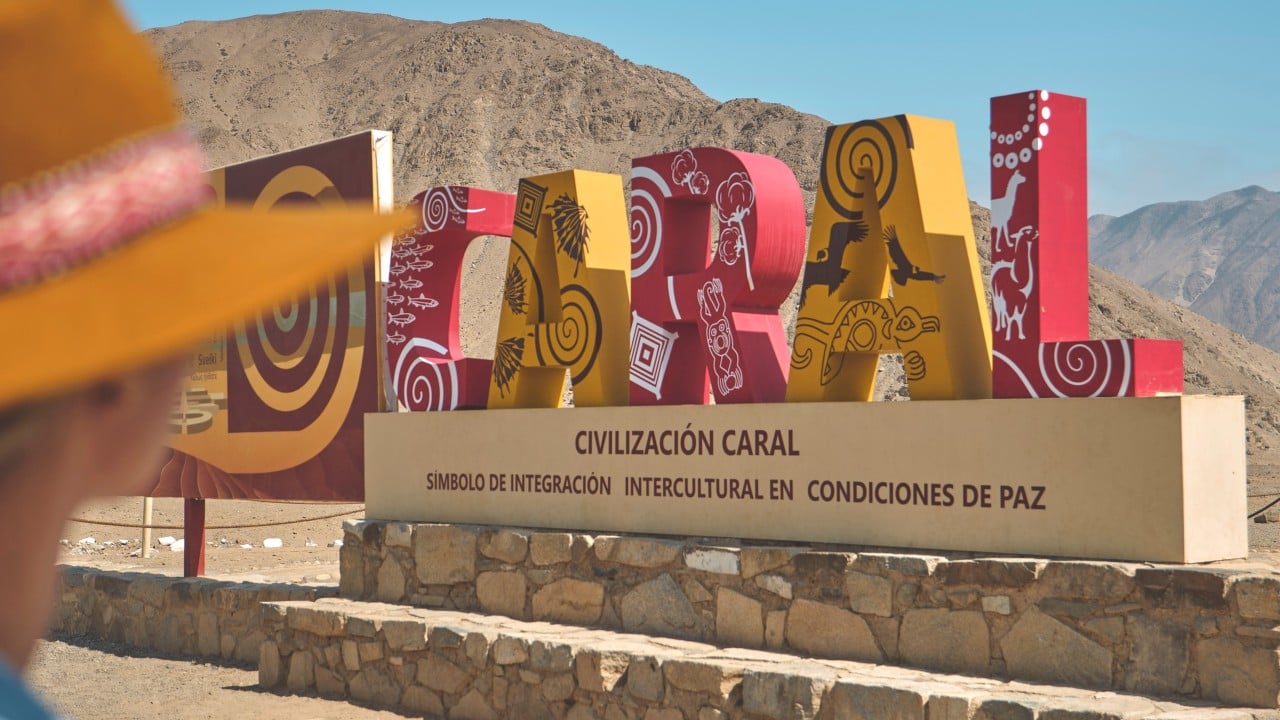
An agreement signed in Supe, Peru, will see Chinese researchers working alongside their Peruvian counterparts in the Caral archaeological zone, recognized as the oldest urban center in the Americas. The joint team will conduct field surveys and excavations in key sites, including the Sacred City of Caral and the coastal settlement of Aspero, exploring river basins in the region.
Jia Xiaobing from the Chinese Academy of Social Sciences’ Institute of Archaeology, who led the Chinese delegation, stated that the collaboration will encompass advanced archaeological technologies, heritage conservation, and researcher training. This project stems from the belief within the archaeological community that Chinese and American civilizations may share common ancestry, despite vast geographical separation.
Researchers will focus on gathering firsthand archaeological data on early American civilizations. This data will facilitate comparative studies of ancient societies around the Pacific Rim and contribute a Chinese academic viewpoint to global research on the origins of early complex societies. Caral, dating back approximately 5,000 years, is known for its monumental architecture and sophisticated urban planning, flourishing for over a millennium before pottery became widespread in the area.
the collaboration would cover field surveys and excavations, the use of advanced technologies in archaeology, heritage conservation and researcher training.
DistantNews Editorial
Originally published by South China Morning Post. Summarized and contextualized by our editorial team with added local perspective. Read our editorial standards.
More Stories


From Our Blog

Countries Without a Free Press: What You Need to Know

What Press Freedom Means for the News You Read

What Gets Lost (and Found) When News Is Translated

The Critical Role of Diaspora Media in Global News

What Travellers Should Know About Countries with Restricted Press
