


China study finds subsea cable-wrecking supercurrents more common than realised
Summarized and contextualized by DistantNews.
At a glance
News
Sources not specified
Context piece
- Scientists have discovered that powerful underwater flows, known as turbidity currents, are more common than previously thought, even forming in gentle environments like lakes.
- These currents can reshape ocean floors and pose a significant threat to vital undersea cables that carry global internet traffic.
- The research, led by Tsinghua University, provides a new framework for understanding these currents, potentially improving prediction and protection of underwater infrastructure.
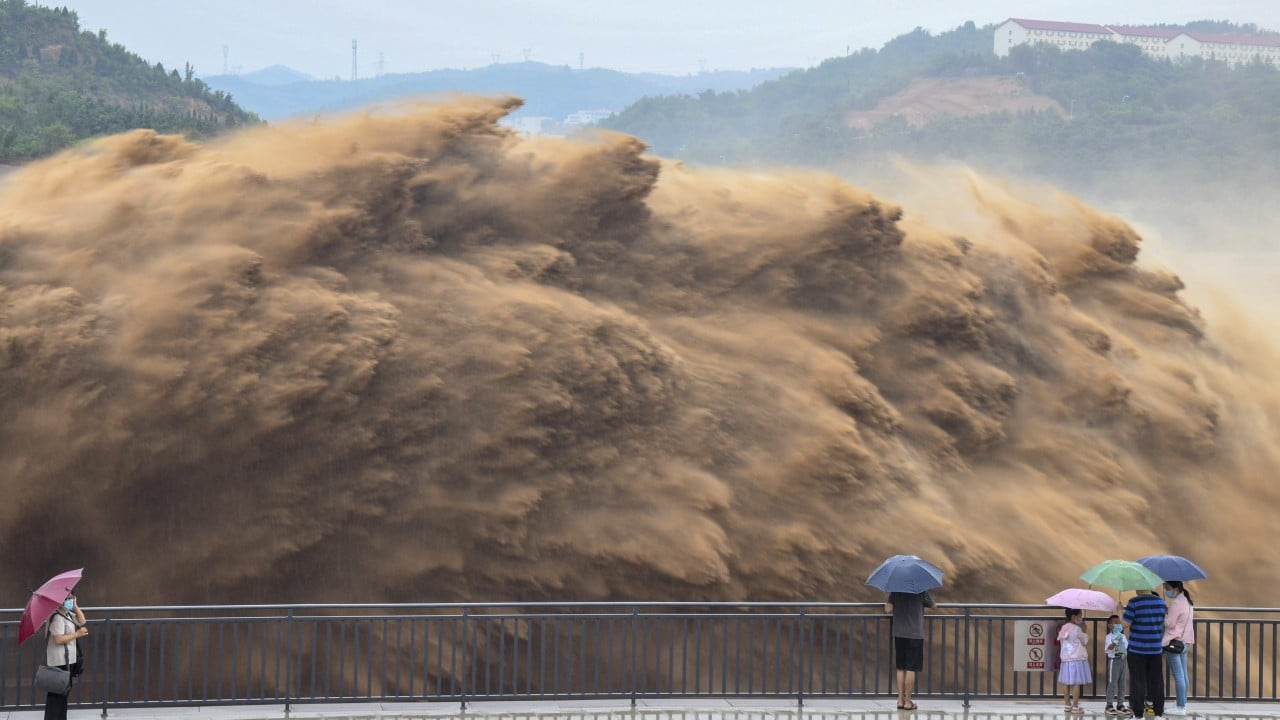
An international research team, spearheaded by Tsinghua University, has revealed that powerful underwater flows, termed turbidity currents, are far more prevalent than previously understood. These currents, capable of reshaping ocean floors, have been found to form even in calm environments such as lakes and reservoirs, areas where their existence was once considered impossible.
For decades, scientists have known that turbidity currents can cause significant damage to the vital undersea cables that transmit global internet traffic. However, the precise mechanisms of their formation and behavior have remained largely elusive. This new study, published in the Proceedings of the National Academy of Sciences, offers a significant advancement in understanding these phenomena.
Self-accelerating turbidity currents are powerful, erosive gravity underflows that sever intercontinental telecommunication cables and reshape subaqueous landscapes.
The researchers developed a framework to better comprehend how these self-accelerating turbidity currents form. These gravity underflows are highly erosive and have been responsible for severing intercontinental telecommunication cables and altering underwater landscapes. While previous observations were rare and primarily confined to submarine settings, this study broadens the scope of where these powerful flows can occur.
The findings hold crucial implications for predicting and managing these potent currents. By understanding their formation in diverse environments, scientists and engineers can work towards better protecting underwater infrastructure, including critical communication cables, and more effectively managing reservoirs.
Despite success in small-scale set-ups, field observations of accelerating turbidity currents have been rare, with only a few cases primarily in submarine settings.
DistantNews Editorial
Originally published by South China Morning Post. Summarized and contextualized by our editorial team with added local perspective. Read our editorial standards.
More Stories


From Our Blog

Countries Without a Free Press: What You Need to Know

What Press Freedom Means for the News You Read

What Gets Lost (and Found) When News Is Translated

The Critical Role of Diaspora Media in Global News

What Travellers Should Know About Countries with Restricted Press
