

China tests Central Asian land corridors to bypass maritime chokepoints
Summarized and contextualized by DistantNews.
At a glance
News
Sources not specified
Context piece
- China is prioritizing Central Asian land routes to mitigate risks associated with maritime chokepoints like the Strait of Hormuz.
- A new multi-modal freight corridor connecting China to Afghanistan via Uzbekistan and Turkmenistan offers a faster, more efficient alternative to traditional sea-and-land routes.
- While this diversification push aims to reduce delivery times and costs, observers note that security concerns and infrastructure limitations could hinder a significant shift away from sea freight.
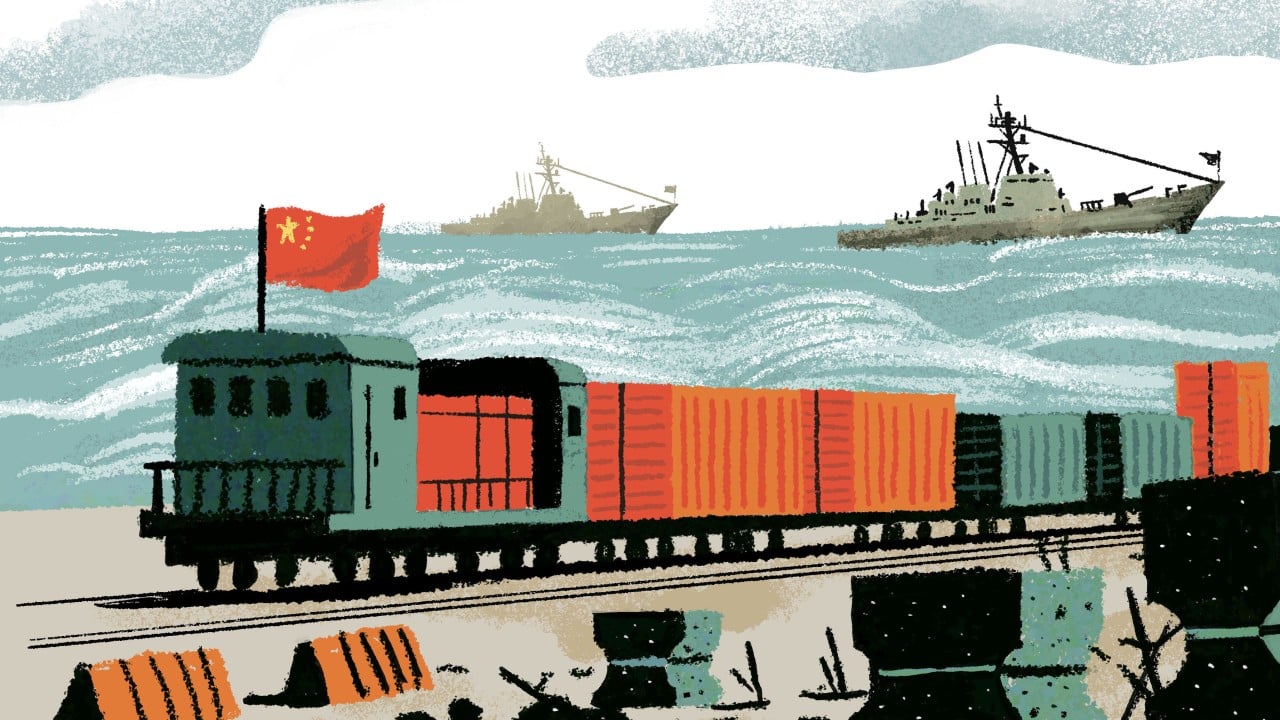
Beijing is increasingly relying on overland trade routes through Central Asia to circumvent potential disruptions in vital maritime passages, such as the Strait of Hormuz. This strategic shift underscores the vulnerability of global shipping lanes.
A newly established multi-modal freight corridor, launched in May, exemplifies this diversification strategy. The route transports goods by rail from China through Kazakhstan into Uzbekistan, then by road via Turkmenistan to Herat in western Afghanistan. This 7,400km corridor aims to significantly cut delivery times, reducing transit from two to three months via traditional routes to approximately 30 days.
Historically, goods destined for western Afghanistan often traveled by sea to Iran's Bandar Abbas port or overland through Pakistan, a process that typically took 31 to 55 days. The new route offers a more efficient and potentially lower-cost pathway, according to Afghan officials, who believe it could transform Afghanistan into a key regional transit hub connecting Central Asia with South Asia and Iran.
However, challenges remain. The direct trade route via China's Wakhan corridor is severely limited by rugged terrain, inadequate infrastructure, and security concerns in China's Xinjiang region. Furthermore, observers caution that persistent security issues and capacity constraints within Central Asia could impede a substantial shift away from maritime shipping.
DistantNews Editorial
Originally published by South China Morning Post. Summarized and contextualized by our editorial team with added local perspective. Read our editorial standards.
More Stories


From Our Blog

Countries Without a Free Press: What You Need to Know

What Press Freedom Means for the News You Read

What Gets Lost (and Found) When News Is Translated

The Critical Role of Diaspora Media in Global News

What Travellers Should Know About Countries with Restricted Press
