

Will Donald Trump’s China squeeze for summit leverage actually work?
Summarized and contextualized by DistantNews.
At a glance
News
Named sources
Ongoing story
- China analysts believe Washington's recent restrictions on trade, tech, and visas aim to build leverage for the upcoming presidential summit.
- They warn these aggressive tactics risk damaging the political atmosphere before the high-stakes meeting between Trump and Xi Jinping.
- The US is tightening restrictions on defense contractors, alleging Chinese firms use AI to steal intellectual property, and expanding a blacklist of Chinese universities.
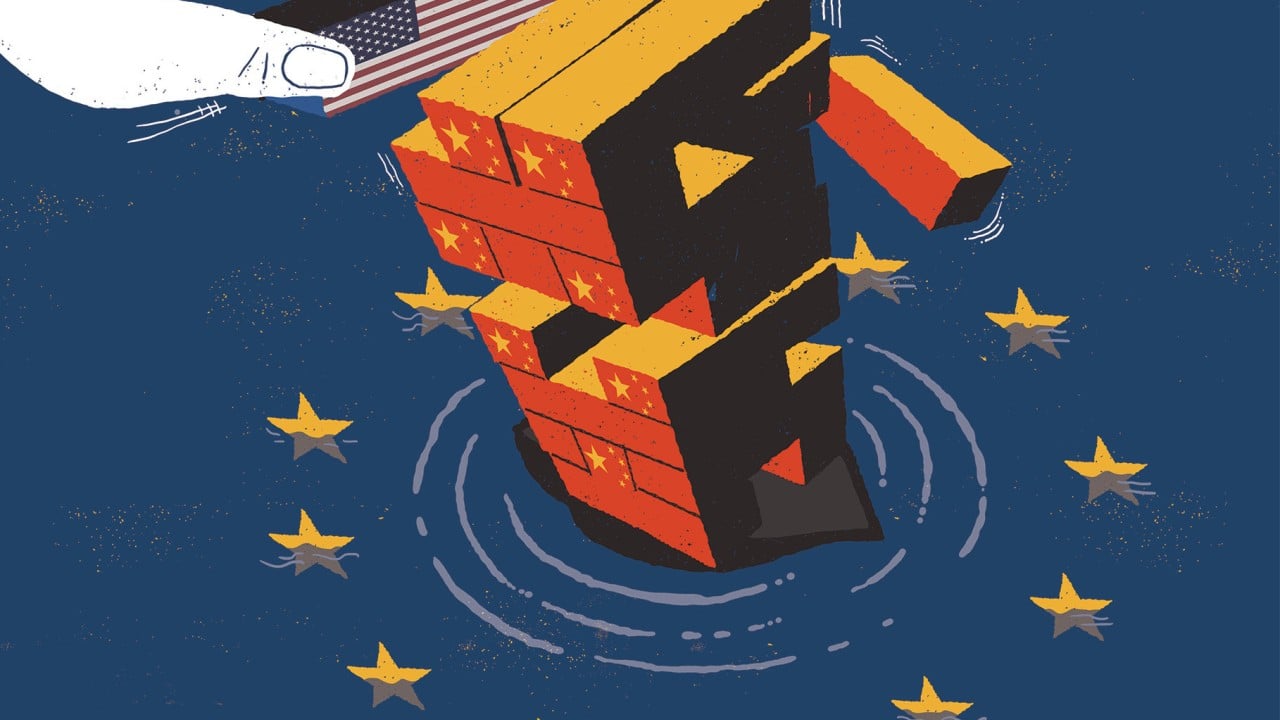
Chinese analysts suggest that the recent wave of U.S. restrictions on trade, technology, and visas is a deliberate strategy to gain leverage ahead of the presidential summit scheduled for September. However, these analysts caution that such aggressive pressure tactics could negatively impact the political climate leading up to the crucial meeting between President Donald Trump and Chinese President Xi Jinping.
The assessment comes as both nations work to establish a framework of "constructive strategic stability," a concept agreed upon after the May summit in Beijing. While plans for Xi's visit to the White House on September 24 remain on track, with artificial intelligence expected to be a prominent topic, underlying tensions continue to escalate.
Driving these frictions are fresh U.S. curbs and tariffs targeting major trading partners, including China. Washington has moved to tighten exemptions for defense contractors seeking critical minerals from countries deemed adversaries. Furthermore, U.S. officials have accused Chinese firms of illicitly using American artificial intelligence models to steal intellectual property. The U.S. is also set to impose stricter limitations on educational ties by expanding a Pentagon blacklist that prohibits more Chinese universities from receiving U.S. military research funding.
DistantNews Editorial
Originally published by South China Morning Post. Summarized and contextualized by our editorial team with added local perspective. Read our editorial standards.
More Stories
From Our Blog

Countries Without a Free Press: What You Need to Know

What Press Freedom Means for the News You Read

What Gets Lost (and Found) When News Is Translated

The Critical Role of Diaspora Media in Global News

What Travellers Should Know About Countries with Restricted Press
