

US senators clash over scope of Chinese connected-vehicle ban
Summarized and contextualized by DistantNews.
At a glance
News
Named sources
New plan
- US senators are divided over the scope of a proposed ban on Chinese connected vehicles, despite bipartisan agreement on restricting them.
- The Connected Vehicle Security Act of 2026 aims to prohibit the import, manufacture, and sale of vehicles linked to China and other adversaries on national security grounds.
- Concerns include potential impacts on European automakers and US electric vehicle producers, as well as existing restrictions on data security and Chinese ownership.
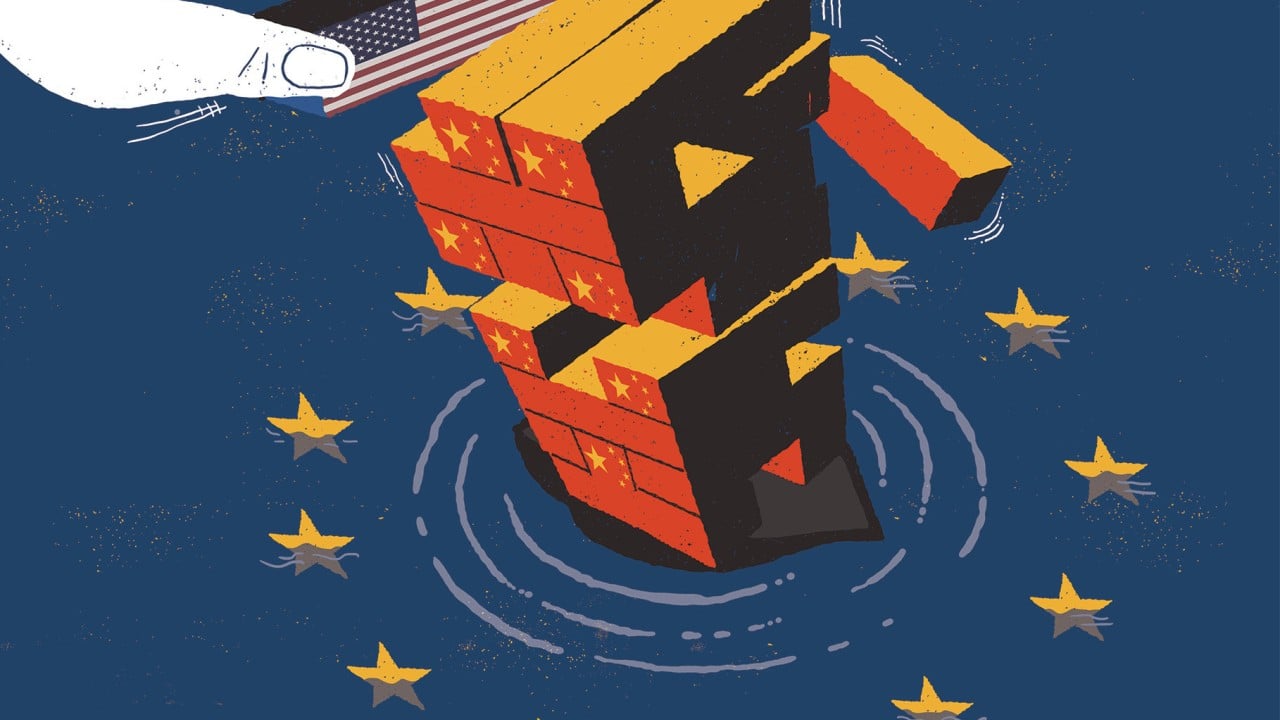
US senators are grappling with how to implement a ban on Chinese connected vehicles, revealing divisions over the bill's scope despite broad agreement that such vehicles pose a national security risk. The Senate Committee on Commerce, Science, and Transportation has advanced the Connected Vehicle Security Act of 2026, which seeks to prohibit the import, manufacture, and sale of connected vehicles tied to China and other foreign adversaries.
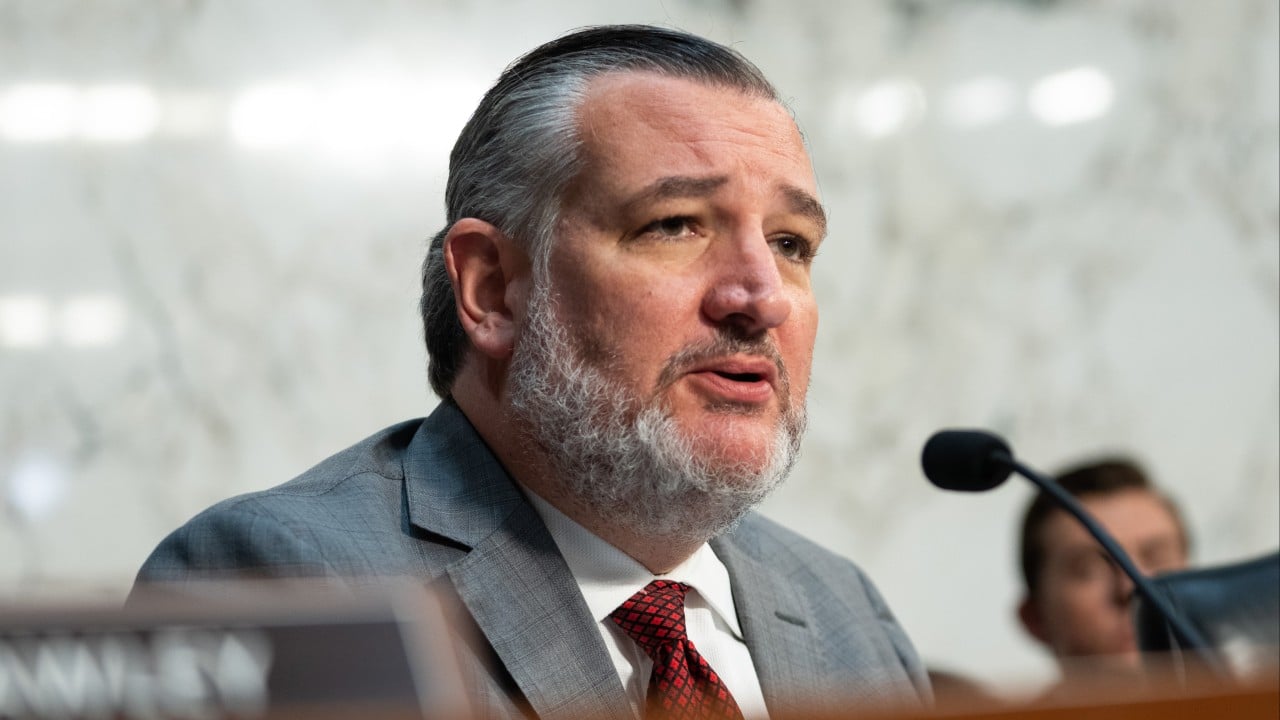
The legislation aims to restrict the use of Chinese software and hardware in vehicles, citing national security concerns. A key point of contention is a provision that would prohibit vehicles manufactured by companies with significant Chinese ownership, defining this as more than 15 percent ownership or control by Chinese entities. Senator Bernie Moreno, the bill's lead sponsor, stated, "What we don’t want to do is [to] cede this entire industry to the Chinese." He added, "We will not commit industrial suicide, and we will not allow ‘automotive fentanyl’ to enter the United States of America."
While the bill would largely codify existing restrictions issued by the Commerce Department, it expands them to include Iran and North Korea and broadens several key provisions. However, the proposed ban has exposed concerns among some senators that it could inadvertently affect European carmakers and increase costs for American electric-vehicle producers. The debate highlights the dual anxieties in Washington: protecting the US auto industry from Chinese competition and addressing national security officials' unease over the vast amounts of data connected cars can transmit back to Beijing.
What we don’t want to do is [to] cede this entire industry to the Chinese. We will not commit industrial suicide, and we will not allow ‘automotive fentanyl’ to enter the United States of America.
DistantNews Editorial
Originally published by South China Morning Post. Summarized and contextualized by our editorial team with added local perspective. Read our editorial standards.
More Stories


From Our Blog

Countries Without a Free Press: What You Need to Know

What Press Freedom Means for the News You Read

What Gets Lost (and Found) When News Is Translated

The Critical Role of Diaspora Media in Global News

What Travellers Should Know About Countries with Restricted Press
