

China turns to central Asia as US blockade in Hormuz chokes global energy flows
Summarized and contextualized by DistantNews.
TLDR
- China is increasing energy imports from Central Asia to mitigate disruptions caused by the Iran war and the closure of the Strait of Hormuz.
- Vice-Premier Ding Xuexiang is visiting Turkmenistan to attend a gas field ceremony and bilateral cooperation meeting.
- Central Asia's growing importance for China's energy security is part of a broader strategy to diversify imports and bolster national energy system resilience.
Amidst escalating geopolitical turmoil in the Middle East and the critical closure of the Strait of Hormuz, a vital chokepoint for global energy shipments, China is strategically pivoting towards Central Asia to secure its energy needs. The visit of Vice-Premier Ding Xuexiang to Turkmenistan underscores the increasing significance of this region in bolstering China's energy security.
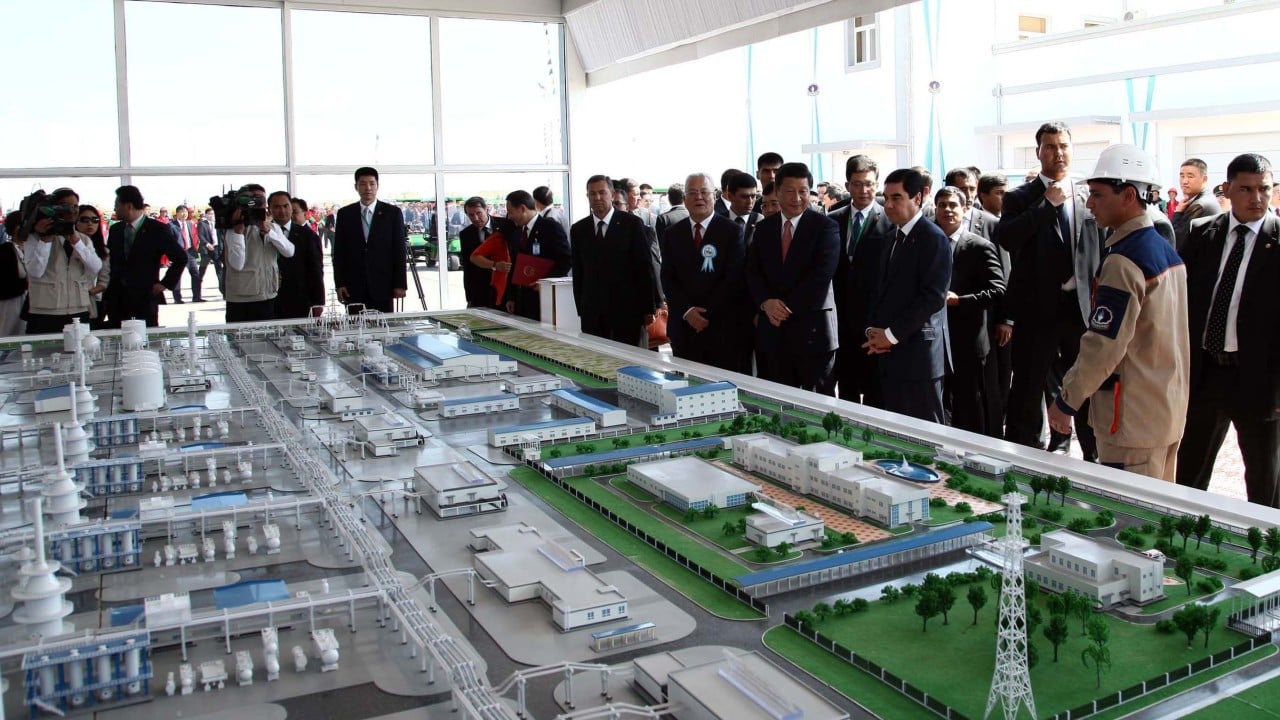
Turkmenistan, a major supplier of natural gas to China via an extensive pipeline network, is central to this strategy. Ding's attendance at the groundbreaking ceremony for the fourth phase of the Galkynysh gas field and his co-chairing of bilateral cooperation meetings highlight the deepening energy ties. This move is not merely about immediate supply but also about systematically strengthening the resilience of China's national energy system.
Due to the continuing geopolitical turmoil in the Middle East and closure of the key Strait of Hormuz chokepoint for oil and gas shipments, central Asia has become increasingly important for China’s energy security.
This strategic diversification is a calculated response to an "unstable world order," as noted by Rajiv Biswas, CEO of Asia-Pacific Economics. By reducing reliance on potentially volatile shipping routes and diversifying import sources, China aims to insulate its economy from external shocks. The agreement with China National Petroleum Corporation to expand production facilities in Turkmenistan further solidifies this commitment.
As China continues to stockpile strategic reserves of food, fuel, and raw materials, its focus on Central Asia represents a key pillar in its long-term energy security strategy. This proactive approach ensures a more stable and reliable energy supply, crucial for sustaining China's economic growth and maintaining stability in the face of global uncertainties.
China had been systematically strengthening the resilience of its national energy system – stockpiling strategic reserves of food, fuel and raw materials, coupled with an import-diversification strategy – in the face of an “unstable world order”.
DistantNews Editorial
Originally published by South China Morning Post. Summarized and contextualized by our editorial team with added local perspective. Read our editorial standards.
More Stories

From Our Blog

Countries Without a Free Press: What You Need to Know

What Press Freedom Means for the News You Read

What Gets Lost (and Found) When News Is Translated

The Critical Role of Diaspora Media in Global News

What Travellers Should Know About Countries with Restricted Press
