

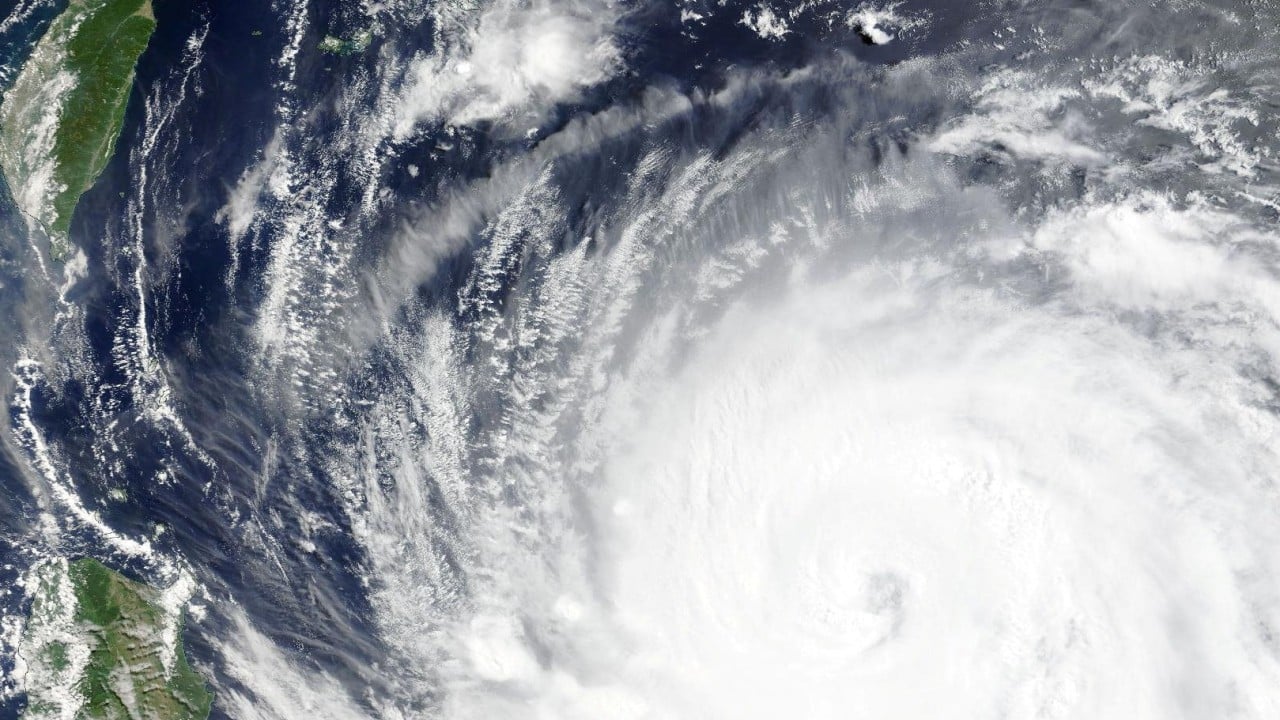

China warns amateur AI typhoon forecasts may be illegal as Bavi nears
Translated from English, summarized and contextualized by DistantNews.
At a glance
News
From a news agency
Ongoing story
- Chinese bloggers are using amateur AI weather models to issue forecasts for Typhoon Bavi, drawing criticism from state media.
- Official meteorological stations are the sole authorized issuers of weather alerts in China under the Meteorology Law.
- The use of unauthorized AI forecasts could lead to public confusion and potentially violate Chinese law.
As Typhoon Bavi approaches China's eastern coast, amateur bloggers have begun disseminating weather forecasts using artificial intelligence (AI) models on social media platforms. This trend has drawn sharp criticism from state media, which warns that such unofficial predictions may contravene Chinese law.
China Media Group, the state broadcaster, reported that some individuals identifying as "weather enthusiasts" are issuing forecasts derived from various open-source AI weather models. According to the report, some bloggers are even charging fees for predictions tailored to specific locations.
Under the Meteorology Law of the People's Republic of China, public weather alerts are subject to a centralised release system, and official meteorological stations are the only authorised issuers of forecasts and severe weather warnings.
Under the Meteorology Law of the People's Republic of China, public weather alerts are strictly regulated through a centralized release system. Official meteorological stations are designated as the sole authorized entities responsible for issuing forecasts and severe weather warnings. Huang Xiang, a researcher at Nanjing University of Information Science and Technology (NUIST), emphasized to the broadcaster that this centralized approach is crucial for preventing widespread public confusion.
On Thursday evening, a blogger from Shandong province shared social media posts containing predictions about Typhoon Bavi. The blogger claimed a "90 percent chance" the storm would move deep into Shandong, citing tracking models. The Meteorology Law stipulates that only official meteorological stations can issue such alerts, making these amateur forecasts potentially illegal and a source of misinformation for the public.
The centralised system was vital to prevent public confusion.
DistantNews Editorial
Originally published by South China Morning Post in English. Translated, summarized, and contextualized by our editorial team with added local perspective. Read our editorial standards.
More Stories


From Our Blog

Countries Without a Free Press: What You Need to Know

What Press Freedom Means for the News You Read

What Gets Lost (and Found) When News Is Translated

The Critical Role of Diaspora Media in Global News

What Travellers Should Know About Countries with Restricted Press
