

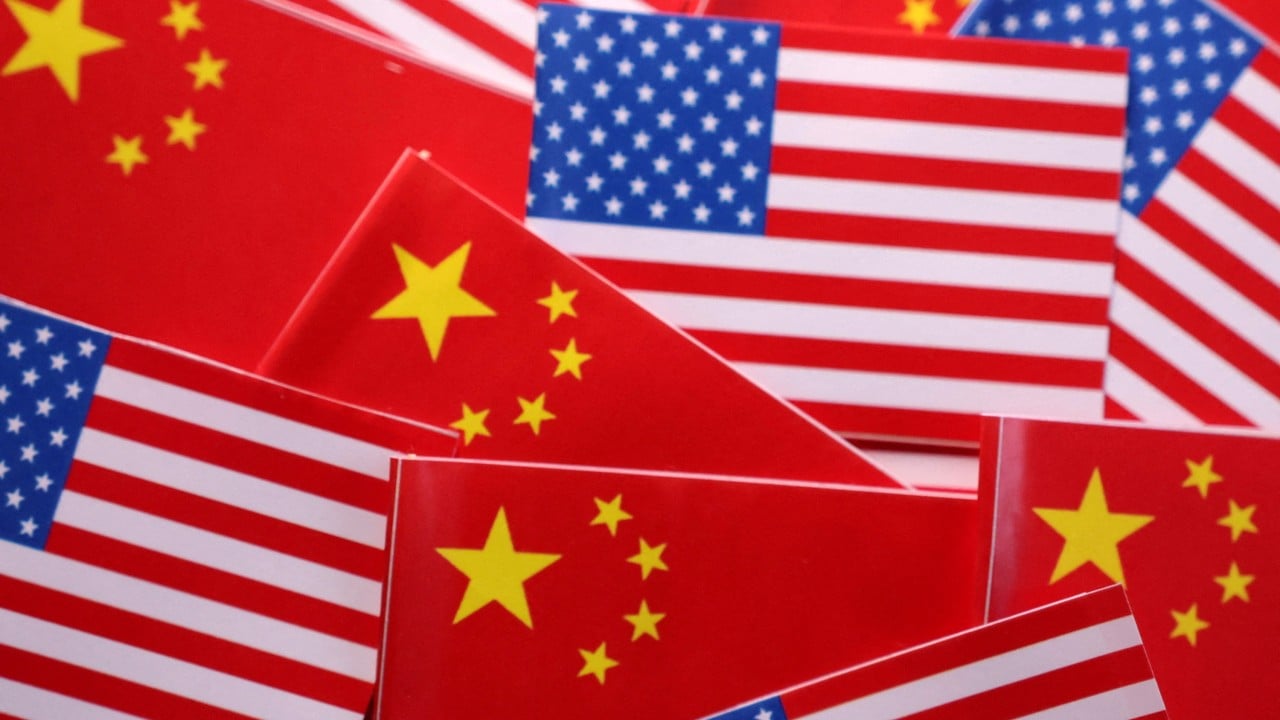
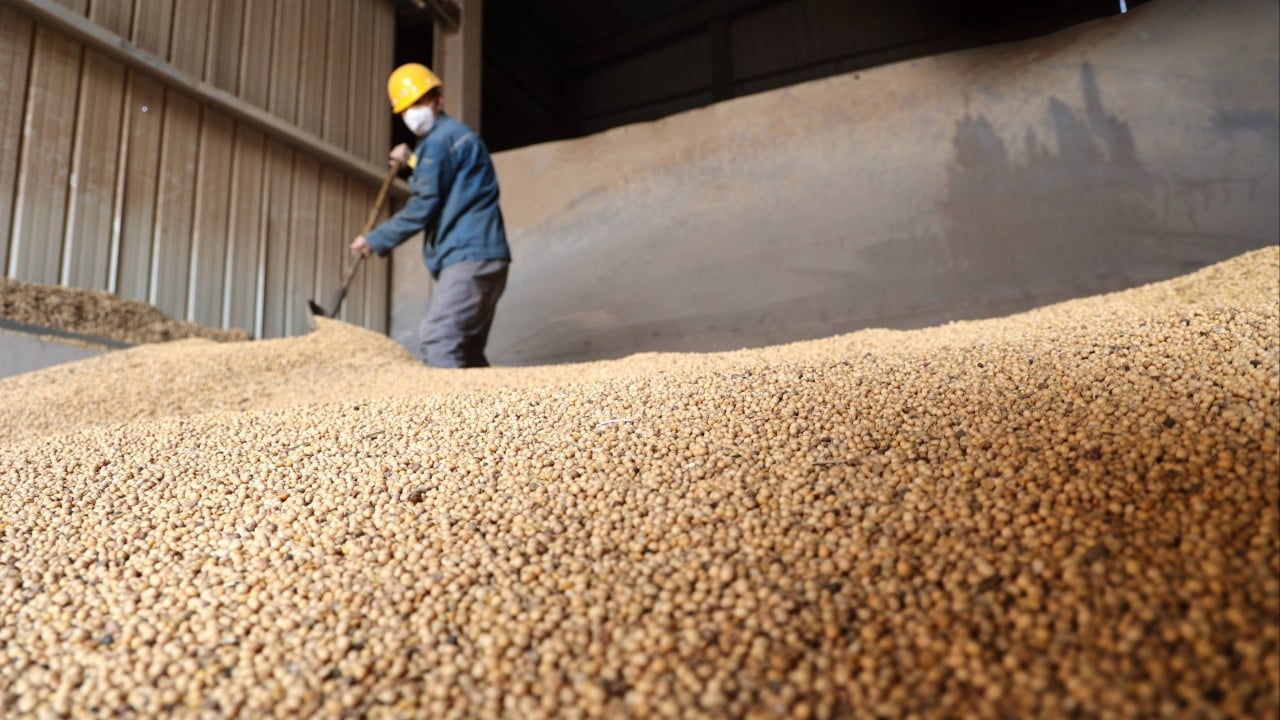
China Warns of Food Security Risks Amid Global Supply Threats
Translated from English, summarized and contextualized by DistantNews.
TLDR
- China faces potential food security risks due to global price volatility caused by extreme weather and conflicts, including the war in the Middle East.
- While China has sufficient staple grain supplies, it contends with structural challenges like a weak processing industry and a lack of high-quality crop varieties.
- International bodies warn that the conflict in the Middle East is exacerbating global food insecurity, urging the resumption of transit for critical agricultural inputs.
China's robust food supply, a cornerstone of its national stability, is facing unprecedented challenges on the global stage. While the nation maintains sufficient staple grain reserves, Beijing acknowledges underlying structural weaknesses within its food sector. These include a less-than-ideal processing industry and a deficit in high-quality crop varieties in certain regions. These vulnerabilities, though not currently leading to widespread shortages, could expose China to significant risks should global food markets experience a shock.
The specter of global price spikes, driven by a confluence of extreme weather events and escalating geopolitical conflicts, looms large. The ongoing conflict in the Middle East, in particular, is cited by international organizations like the Food and Agriculture Organization (FAO) as a major contributor to worsening global food insecurity. The disruption of critical supply routes, such as the Strait of Hormuz, poses a direct threat to the transit of essential agricultural inputs, further destabilizing markets.
Risks of sharp swings in global food prices remain, driven by factors such as extreme weather, geopolitical conflicts and speculative capital.
Chinese officials, as outlined in a policy document interpreting the nation's 15th five-year plan, have cautioned that risks of sharp swings in global food prices persist. These fluctuations can ripple through domestic markets, impacting consumer expectations and complicating Beijing's long-standing efforts to maintain stable costs and ensure reliable food supplies. The situation underscores China's interconnectedness with the global economy and the delicate balance required to safeguard its food security amidst international turmoil.
Ships carrying critical agricultural inputs must resume transit through the Strait of Hormuz “as soon as possible”.
DistantNews Editorial
Originally published by South China Morning Post in English. Translated, summarized, and contextualized by our editorial team with added local perspective. Read our editorial standards.
More Stories

From Our Blog

Countries Without a Free Press: What You Need to Know

What Press Freedom Means for the News You Read

What Gets Lost (and Found) When News Is Translated

The Critical Role of Diaspora Media in Global News

What Travellers Should Know About Countries with Restricted Press
