

Chinese coastguard's weapon use risk estimated at 0.3% in war game
Translated from English and summarized by DistantNews. Read the original for the full story.
At a glance
News
Documents & data
Context piece
- Chinese coastguard researchers used a computer war game to simulate tense maritime encounters.
- Findings indicated a 0.3% probability of using lethal weapons under the existing command system.
- An AI framework is being developed to continuously assess vessel intentions and minimize weapon use risks.
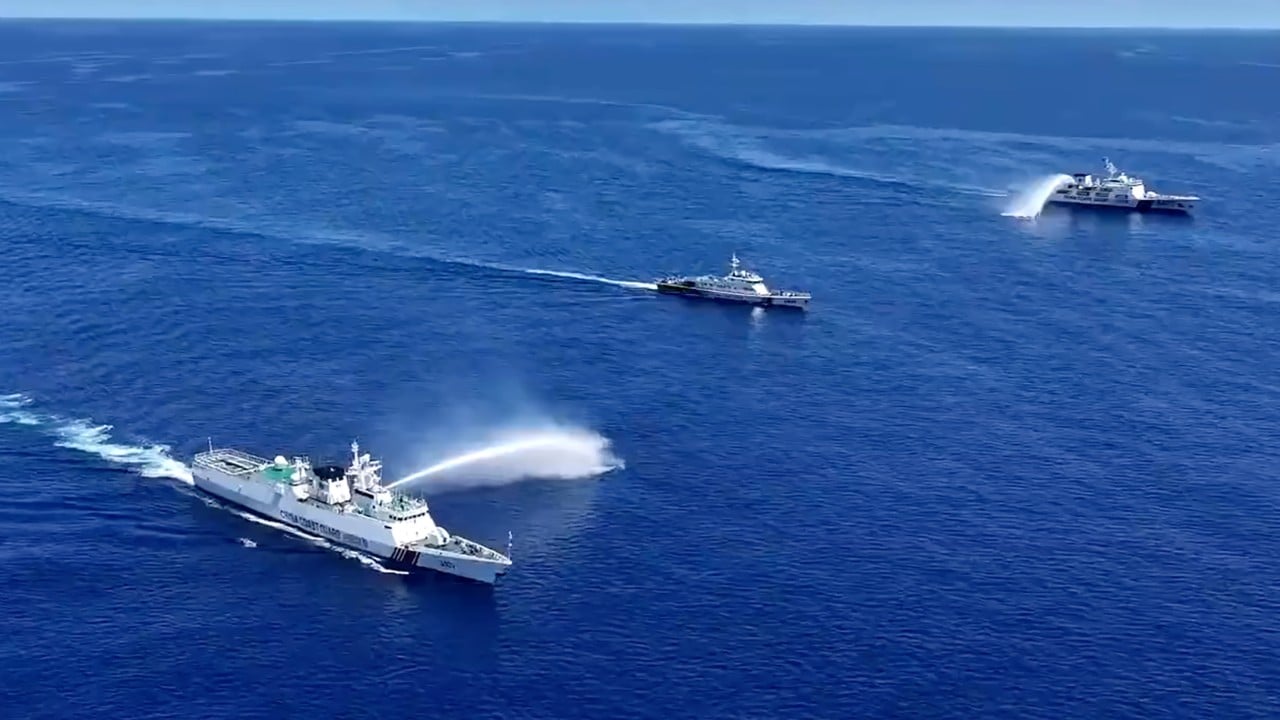
Chinese coastguard researchers are employing computer war games to simulate high-stakes maritime stand-offs, seeking to understand and mitigate the risks of escalation. In one scenario, a coastguard ship shields fishing boats while smaller vessels circle, creating a tense situation where a split-second decision could lead to conflict.
The simulations, detailed in research published this month, revealed a surprisingly low probability of lethal weapon use. Under the current rule-based command system, the simulated Chinese coastguard would resort to weapons in only 0.3% of encounters. While statistically low, Beijing considers even this minimal risk unacceptable in sensitive, disputed waters.
To address this, the research team has developed an artificial intelligence (AI) framework. This AI aims to continuously calculate the likelihood of various intentions, ranging from routine fishing to coordinated harassment, by reading a vessel's actions like a seasoned mariner reads the sea. Instead of simply labeling a target as hostile or harmless, the AI adjusts its response based on a dynamic assessment of potential threats.
The ultimate goal is to reduce the risk of weapon deployment to zero. By providing a more nuanced and adaptive decision-making process, the AI framework seeks to enhance safety and de-escalate potential conflicts in the complex maritime environment.
About this summary
Originally published by South China Morning Post in English. Translated, summarized, and contextualized automatically by DistantNews, with a note on how the source frames the story. Not individually reviewed before publishing. How this works.
More Stories
From Our Blog

Countries Without a Free Press: What You Need to Know

What Press Freedom Means for the News You Read

What Gets Lost (and Found) When News Is Translated

The Critical Role of Diaspora Media in Global News

What Travellers Should Know About Countries with Restricted Press
