

Chinese Steelmakers Coordinate Response to EU’s Carbon-Linked Import Tariffs
Translated from English, summarized and contextualized by DistantNews.
TLDR
- China's major steelmakers are coordinating strategies to counter the EU's Carbon Border Adjustment Mechanism (CBAM), which imposes carbon-linked costs on imports.
- The CBAM implementation is expected to amplify transmission effects along the industrial chain, increasing costs for Chinese exporters.
- Chinese regulators are engaging in technical discussions with the EU, viewing CBAM as a policy tool influenced by industrial competitiveness and trade considerations.
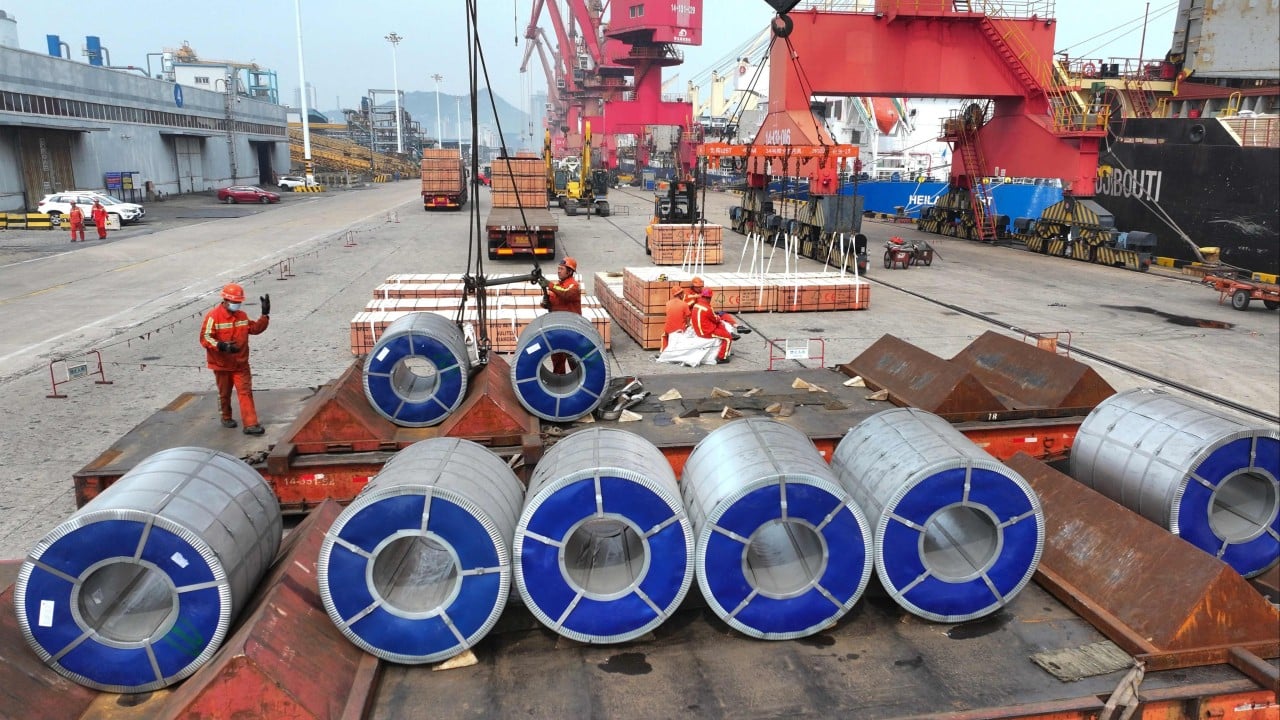
China's steel industry is mobilizing in response to the European Union's Carbon Border Adjustment Mechanism (CBAM), a policy that introduces carbon-related costs for imports. Leading Chinese steelmakers are actively coordinating their export strategies, compliance systems, and pricing models to navigate the full implementation of this tariff-like measure, which took effect this year.
China’s indirect steel exports to the EU are substantial, and a significant portion consists of high value-added products.
Jiang Wei, vice-chairman and secretary general of the China Iron and Steel Association, highlighted the substantial volume of China's indirect steel exports to the EU, including a significant portion of high value-added products. He warned that as CBAM expands its scope to downstream products, the ripple effects throughout the industrial chain will intensify. During an industry meeting, over 100 stakeholders convened to discuss the practical challenges posed by CBAM, focusing on issues such as emissions factor recognition, pre-verification, testing methodologies, and data security.
The EU introduced CBAM in 2023, requiring importers to pay the difference in carbon prices between the country of origin and the EU. The mechanism is set to broaden its coverage from raw materials to finished goods like machinery, vehicles, and appliances. For China, the world's largest steel producer, this presents a dual challenge: rising export costs due to carbon levies and increasingly stringent demands for transparency regarding carbon footprints.
As CBAM expands downstream, the transmission effects along the industrial chain will be further amplified.
From China's perspective, as reported by the South China Morning Post, CBAM is viewed not just as an environmental policy but also as a tool intertwined with industrial competitiveness and trade strategy. Chinese regulators are actively seeking to mitigate the impact through dialogue, with Wang Tian from the Ministry of Ecology and Environment's climate department noting that CBAM's rules are subject to ongoing adjustments. This engagement reflects China's approach of addressing trade frictions through technical discussions and emphasizing the evolving nature of such international policies. The focus remains on adapting to these new regulations while safeguarding the competitiveness of its vital steel sector in the global market.
CBAM was essentially a policy tool adopted by the EU based on industrial competitiveness and trade considerations, and that its rules remained subject to ongoing adjustments.
DistantNews Editorial
Originally published by South China Morning Post in English. Translated, summarized, and contextualized by our editorial team with added local perspective. Read our editorial standards.
More Stories


From Our Blog

Countries Without a Free Press: What You Need to Know

What Press Freedom Means for the News You Read

What Gets Lost (and Found) When News Is Translated

The Critical Role of Diaspora Media in Global News

What Travellers Should Know About Countries with Restricted Press
