


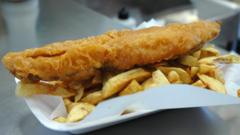
Chippies selling catfish as 'traditional fish supper'
Translated from English, summarized and contextualized by DistantNews.
TLDR
- Some UK chip shops are selling cheaper imported catfish as traditional cod or haddock to reduce costs.
- Investigations found catfish, often farmed in Southeast Asia, being sold without customers' full awareness, despite being safe to eat.
- The practice disadvantages honest businesses and exploits customer expectations of traditional fish and chips.
In the United Kingdom, the humble chip shop holds a special place in the national culinary identity, often serving as a barometer for local honesty and quality. This recent investigation by the BBC into the mis-selling of catfish as traditional fish and chips strikes at the heart of that trust. While the practice might seem like a minor cost-saving measure for some businesses, it represents a betrayal of the customer's expectation for a classic, authentic meal.
This goes on more than you'd think and it's putting people like me at a disadvantage.
For many, the phrase 'fish and chips' conjures images of flaky cod or haddock, battered and fried to perfection. The revelation that some establishments are substituting this with pangasius, a cheaper, imported catfish, is not just a matter of ingredient substitution; it's a matter of cultural integrity. The fact that this catfish is significantly cheaper wholesale (£3.40/kg compared to £15/kg for cod) highlights the profit motive behind the deception, preying on customers who may not be able to discern the difference or who trust their local chippy implicitly.
haven't a clue what type of fish it was
The BBC's investigation, prompted by an honest chip shop owner's complaint, underscores a sentiment shared by many: this dishonest practice is more widespread than acknowledged. The analysis of online reviews, where customers questioned the type of fish served, and the subsequent DNA testing revealing catfish in three out of ten sampled takeaways, paints a concerning picture. While authorities acknowledge that mis-selling can occur, the Chartered Trading Standards Institute's statement that it's not a widespread issue feels like an understatement when faced with these findings. This story resonates deeply because it touches upon a beloved national dish and the trust placed in local businesses to deliver it authentically.
not cod or haddock, some cheap white fish
DistantNews Editorial
Originally published by BBC News in English. Translated, summarized, and contextualized by our editorial team with added local perspective. Read our editorial standards.
More Stories



From Our Blog

What Gets Lost (and Found) When News Is Translated

The Critical Role of Diaspora Media in Global News

What Travellers Should Know About Countries with Restricted Press

A Digital Nomad's Guide to Following Local News

How the Same Story Looks Different in Different Countries
