


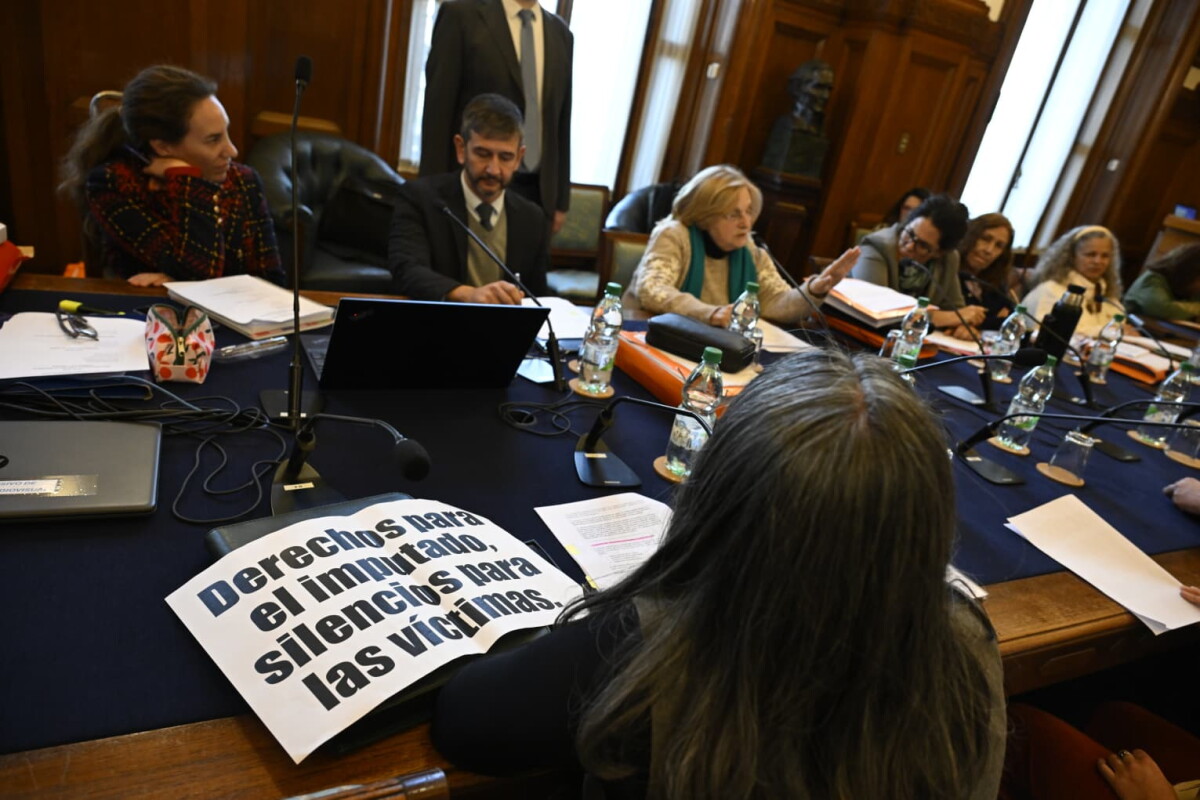
Civil groups warn CPP reform cuts appeals, excludes victims from plea deals
Translated from Spanish, summarized and contextualized by DistantNews.
At a glance
News
Named sources
Context piece
- Civil society groups argue a proposed reform to Uruguay's criminal procedure code would restrict victims' rights to appeal and exclude them from plea deals.
- The reform, sent to parliament by the executive branch, allegedly deepens existing inequalities between victims and defendants.
- Organizations specifically criticize provisions that would limit victims' ability to appeal provisional dismissals, prosecutorial dismissals, or decisions based on the principle of opportunity.
Civil society organizations in Uruguay are raising alarms over a proposed reform to the Criminal Procedure Code (CPP), asserting that it significantly curtails the rights of victims within the legal system. A detailed 113-page legal report presented to the Senate's Constitution and Legislation commission argues that the government's proposed changes not only fail to correct existing inequalities between victims and defendants but actively worsen them.
What is required is participation from the defense of the victims, listening to the organizations that represent them from civil society.
The report, titled "The State Against Victims," highlights concerns about the reform's drafting process, noting the exclusion of technical or social representatives of victims from the working group convened by the presidency. This group reportedly included operators, specialists, prosecutors, the judiciary, and defense attorneys for defendants, but lacked direct input from victim advocacy groups.
eliminates or limits
A central point of contention lies in the proposed limitations on victims' rights to appeal. The organizations warn that the reform would "eliminate or limit" a victim's ability to seek a second instance review in four key scenarios: when their opposition to a provisional case dismissal is rejected, when a dismissal is requested by the prosecution, when a dismissal is sought by the defendant's defense, or when the principle of opportunity is applied. This, they argue, could leave victims without recourse when an investigation is closed or halted.
invasive measures on the private lives of complainants or victims
Furthermore, the reform's provisions regarding the request for investigative measures are criticized for potentially allowing defendants and their lawyers to directly petition judges for specific actions without informing prosecutors or victims. The organizations fear this could lead to "invasive measures on the private lives of complainants or victims," particularly in sensitive cases like domestic or sexual violence, where reporting is already challenging. The report dedicates a chapter to this article, titled "From Victims to Investigated," suggesting it could shift the burden onto victims.
From Victims to Investigated
DistantNews Editorial
Originally published by El País in Spanish. Translated, summarized, and contextualized by our editorial team with added local perspective. Read our editorial standards.
More Stories



From Our Blog

What Gets Lost (and Found) When News Is Translated

The Critical Role of Diaspora Media in Global News

What Travellers Should Know About Countries with Restricted Press

A Digital Nomad's Guide to Following Local News

How the Same Story Looks Different in Different Countries
