

Claude Monet: The World in His Light
Translated from German, summarized and contextualized by DistantNews.
TLDR
- The article is a placeholder or brief mention related to Claude Monet, referencing his world, light, and art.
- It includes a note about the browser's inability to play audio files and provides a link to download an MP3.
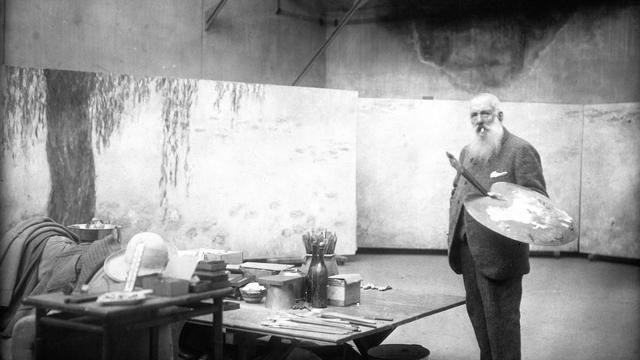
- A caption mentions Monet in his Giverny studio in 1926 next to his "Water Lilies" paintings.
This entry for Die Zeit appears to be a minimal stub or a meta-description for an article or audio piece about Claude Monet. It lacks substantial journalistic content, focusing instead on technical details like audio playback and providing a link for download.
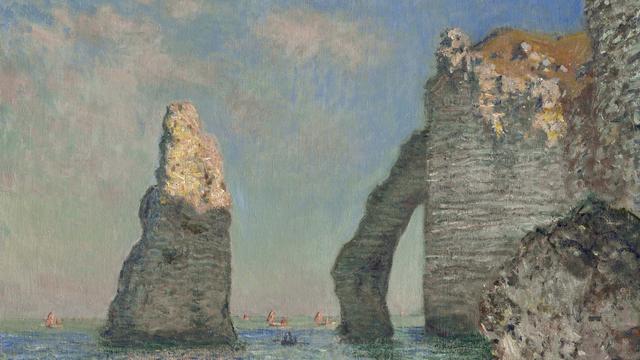
The title, "Claude Monet: The World in His Light," suggests an exploration of Monet's artistic vision and his unique perception of light, a central theme in Impressionism. The mention of "Six questions about Claude Monet – his life, his art and his secret" indicates that the full content likely delves into biographical and artistic aspects of the painter.
The caption providing context for a photograph of Monet in his studio with his "Water Lilies" paintings grounds the piece in a specific, iconic image associated with the artist. This detail, along with the reference to Giverny, points to a focus on Monet's later, highly productive period.
Given the limited text, it's difficult to ascertain the full editorial slant. However, the focus on Monet, a globally celebrated artist, and the mention of his "secret" suggest an attempt to offer insights beyond the surface level of his famous works. The inclusion of an audio file implies a multimedia approach, possibly offering a more immersive experience for the reader/listener.
From a German cultural perspective, Monet is a figure of immense artistic importance, widely appreciated and studied. Articles about him often tap into a public interest in art history and the lives of great masters. This piece, despite its brevity here, likely aims to engage readers through the enduring appeal of Monet's work and the mystique surrounding his artistic genius.
DistantNews Editorial
Originally published by Die Zeit in German. Translated, summarized, and contextualized by our editorial team with added local perspective. Read our editorial standards.
More Stories



From Our Blog

What Gets Lost (and Found) When News Is Translated

How the Same Story Looks Different in Different Countries

The Critical Role of Diaspora Media in Global News

What Travellers Should Know About Countries with Restricted Press

A Digital Nomad's Guide to Following Local News
