

Climate Change Fuels Wildfires: Croatia and Greece Evacuate Tourists
Translated from Finnish, summarized and contextualized by DistantNews.
At a glance
News
Sources not specified
Ongoing story
- Wildfires are raging along Croatia's coast, forcing the evacuation of at least a thousand people from the town of Omiš.
- Strong winds are fanning the flames, which spread towards Omiš on Friday, threatening homes and vehicles.
- In Greece, about 500 tourists were evacuated from the Halkidiki peninsula due to wildfires, with scientists linking the increased heat and dryness to climate change.
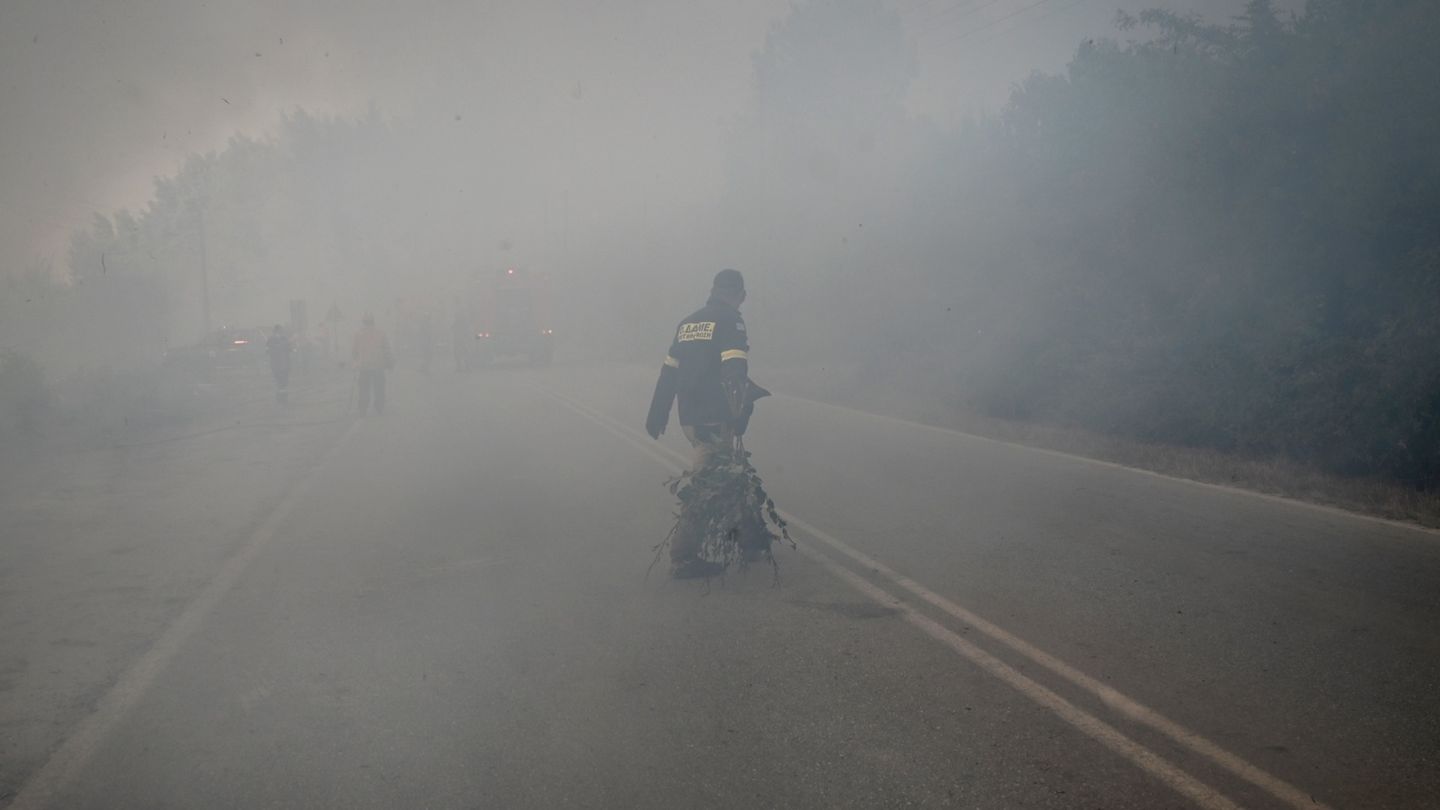
Wildfires continue to burn fiercely along Croatia's Adriatic coast, prompting authorities to evacuate at least a thousand people from the popular tourist town of Omiš. The blaze, which ignited Thursday evening in Lokva Rogoznica, has been intensified by strong winds, pushing flames towards Omiš and endangering homes and vehicles.
Firefighting efforts overnight involved 157 firefighters and 44 fire trucks, with additional reinforcements deployed from across Croatia. An emergency shelter was established in Omiš's sports hall to accommodate the evacuated residents. Initial reports indicate at least 19 people have been injured, with seven reported to be in serious condition and transported to Split for hospital treatment.
This fire is the latest in a series of wildfires plaguing Croatia this summer, a period marked by a prolonged heatwave. Record high temperatures have been registered in numerous coastal cities along the Adriatic Sea. The region around Omiš, characterized by forested hills, is a popular destination for tourists.
Meanwhile, in Greece, approximately 500 tourists were evacuated from the Halkidiki peninsula, south of Thessaloniki, due to a separate wildfire. While that fire has since been brought under control, emergency services remain vigilant for new outbreaks. Over 200 firefighters, supported by water-bombing aircraft and helicopters, were involved in the suppression efforts.
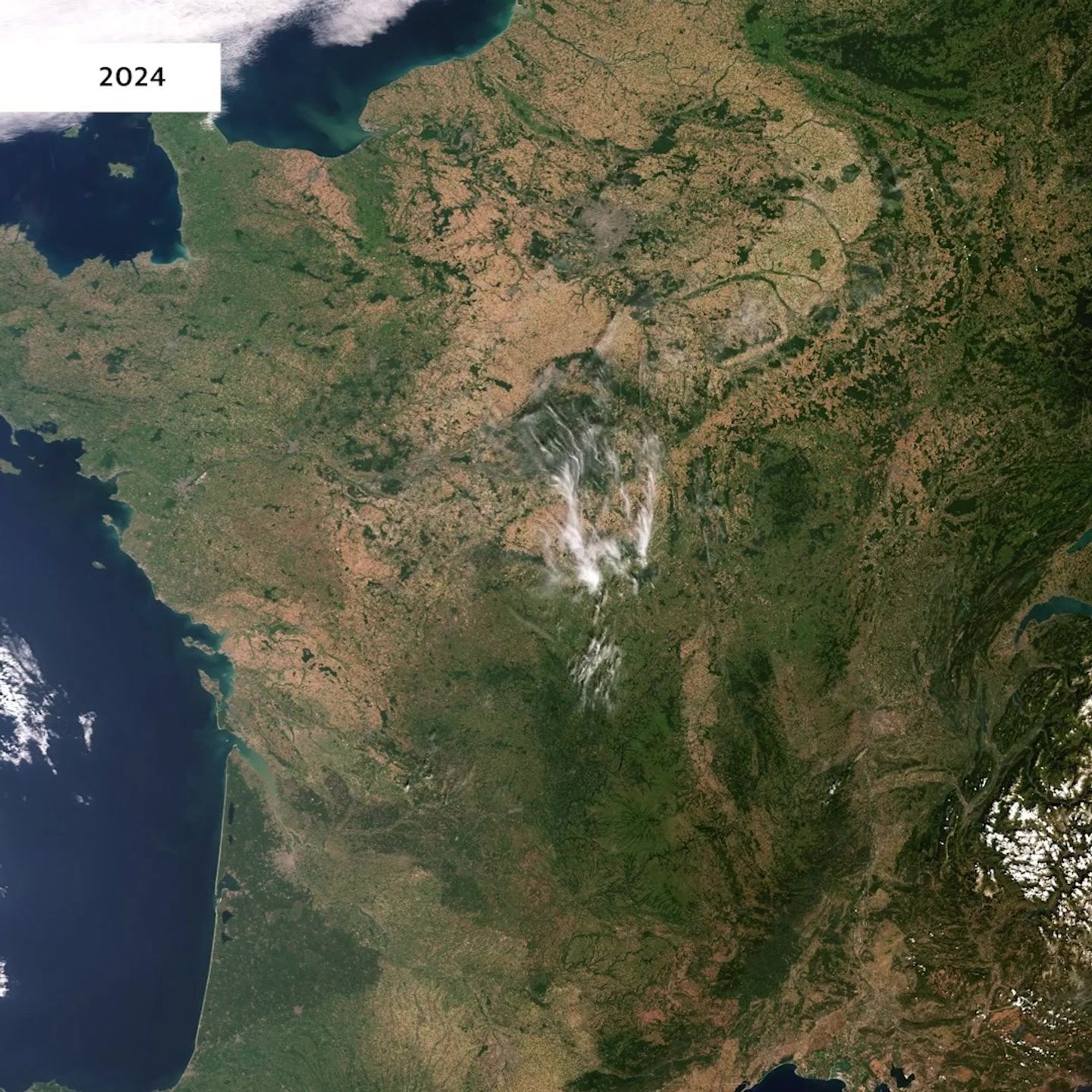
Greek authorities have raised the wildfire warning to the highest level, level five, across much of mainland Greece. The hot and dry weather conditions prevalent across Europe this summer have created ideal environments for wildfires. Scientists increasingly attribute the heightened temperatures and drought conditions to climate change.
DistantNews Editorial
Originally published by Helsingin Sanomat in Finnish. Translated, summarized, and contextualized by our editorial team with added local perspective. Read our editorial standards.
More Stories



From Our Blog

What Gets Lost (and Found) When News Is Translated

The Critical Role of Diaspora Media in Global News

What Travellers Should Know About Countries with Restricted Press

A Digital Nomad's Guide to Following Local News

How the Same Story Looks Different in Different Countries
