

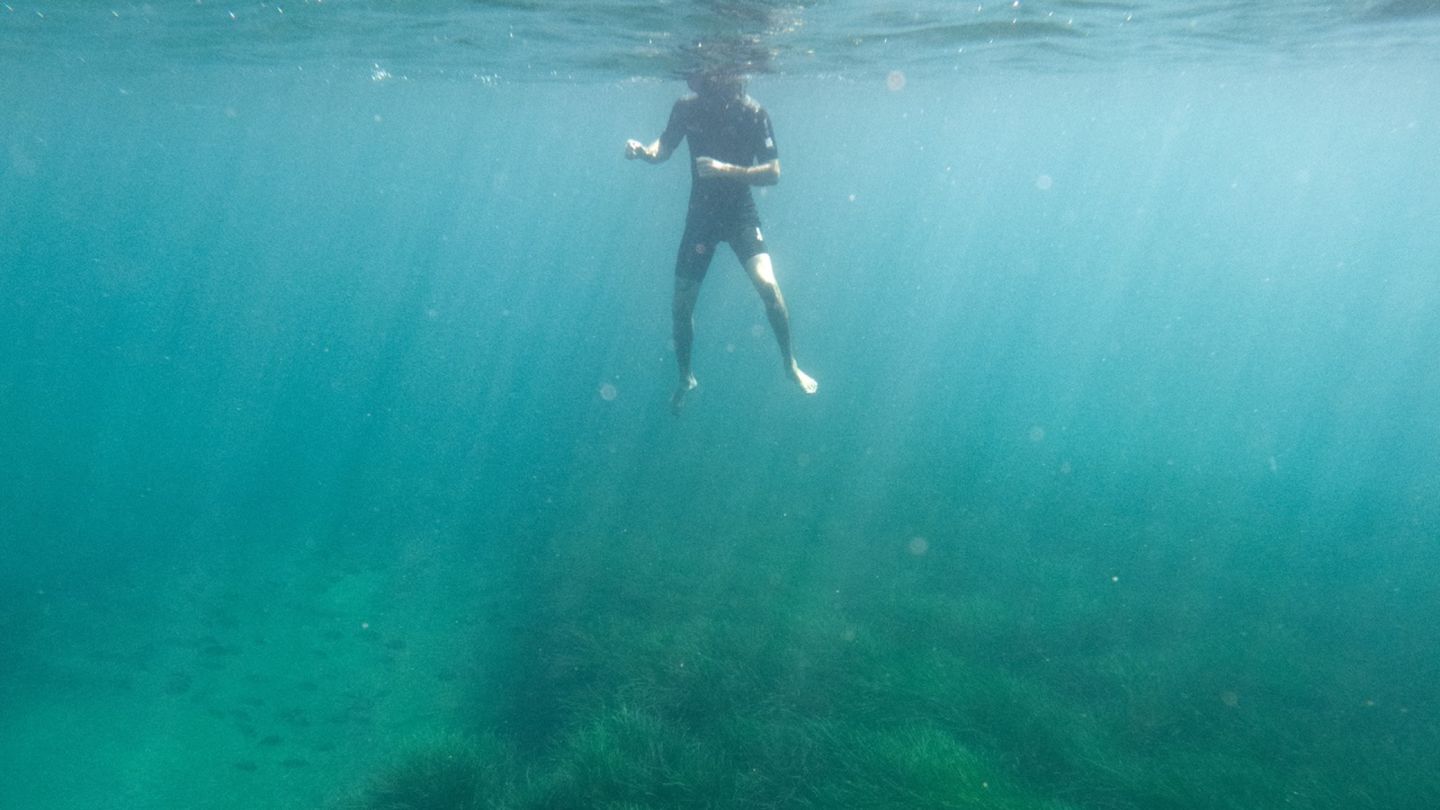

Jellyfish swarm shuts down reactors at France's largest nuclear plant
Translated from Finnish, summarized and contextualized by DistantNews.
At a glance
News
Sources not specified
Context piece
- Three reactors at France's Gravelines nuclear power plant were shut down due to a large jellyfish swarm.
- The jellyfish blocked the pumps used for cooling the reactors, reducing the plant's output.
- Experts cite overfishing, plastic pollution, and warming seas as factors contributing to jellyfish proliferation.
A massive jellyfish swarm forced the shutdown of three reactors at the Gravelines nuclear power plant in northern France, the country's largest, according to reports. The swarm clogged the cooling water pumps, leading to the temporary closure of reactors 1, 2, and 3. Production from a fourth reactor was halved, leaving only one of the plant's six reactors operating at full capacity.
Électricité de France (EDF), the state-owned energy company, stated that the situation does not pose a risk to the plant's safety or its personnel. This is not the first time jellyfish have disrupted operations at Gravelines; a similar incident occurred last year, leading to the shutdown of four reactors.
Experts suggest that overfishing, plastic pollution, and rising sea temperatures due to climate change are creating favorable conditions for jellyfish to thrive and reproduce. Similar incidents have occurred elsewhere, including in Sweden in 2013 and Japan in 1991, where jellyfish blooms have caused disruptions at nuclear facilities.
The Gravelines plant's operational challenges this summer have also been compounded by heatwaves and drought, forcing EDF to reduce output at several reactors due to extreme temperatures. France's overall nuclear power output has faced various environmental pressures in recent months.
DistantNews Editorial
Originally published by Helsingin Sanomat in Finnish. Translated, summarized, and contextualized by our editorial team with added local perspective. Read our editorial standards.
More Stories


From Our Blog

What Gets Lost (and Found) When News Is Translated

The Critical Role of Diaspora Media in Global News

What Travellers Should Know About Countries with Restricted Press

A Digital Nomad's Guide to Following Local News

How the Same Story Looks Different in Different Countries
