

Climate Change Poses Growing Threat to Taiwan Strait Military Readiness
Translated from English and summarized by DistantNews. Read the original for the full story.
At a glance
News
Sources not specified
Context piece
- Climate change and extreme weather in East Asia present growing challenges for military planners, particularly concerning potential conflicts in the Taiwan Strait.
- Extreme weather risks include damage to troops, equipment, critical infrastructure, and disruptions to training and operations.
- Nations like Japan, the U.S., and Taiwan are incorporating climate risks into their military planning and resilience strategies.
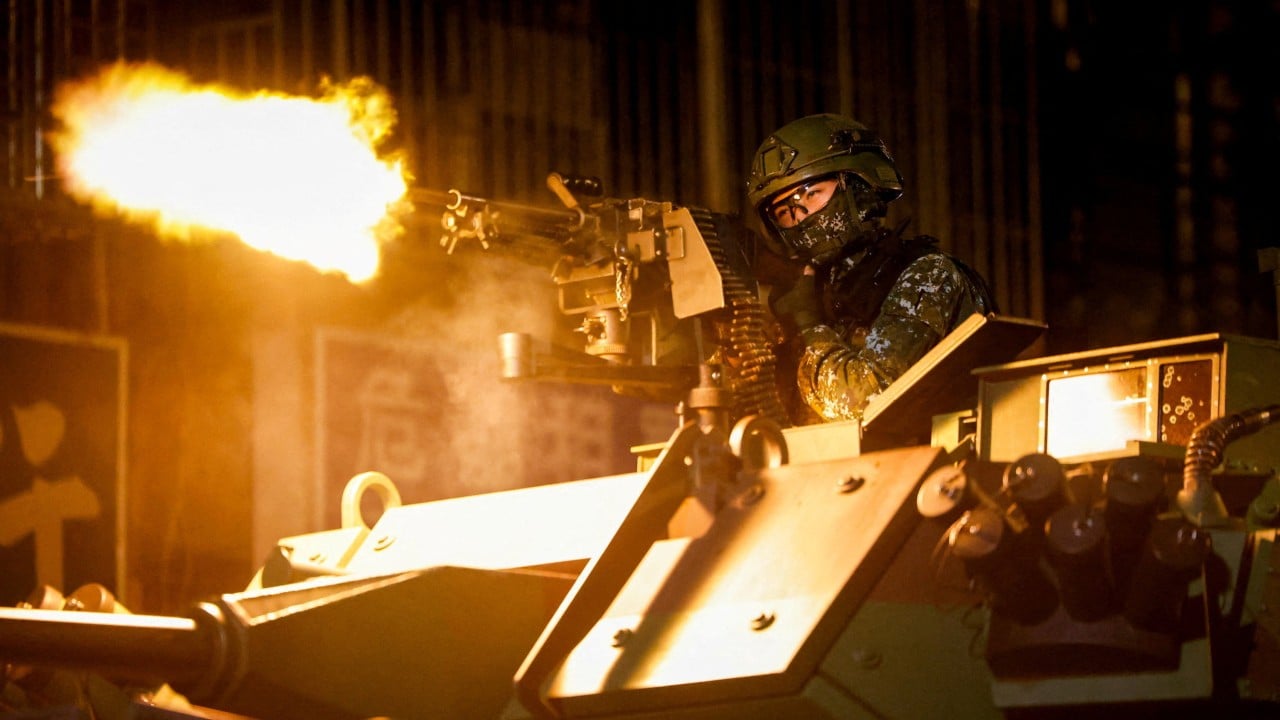
Record heat and extreme weather across East Asia this summer have triggered warnings that climate change will increasingly challenge military planners, especially those focused on potential flashpoints such as the Taiwan Strait. The escalating climate crisis poses significant risks not only to troops and military equipment but also to critical infrastructure, potentially disrupting vital training exercises and diverting essential personnel and resources towards emergency relief efforts.
While militaries may possess some capacity to adapt to these challenges during peacetime, their flexibility could be severely limited during wartime. In a conflict scenario, extreme weather events could directly and decisively impact combat operations, potentially altering the course of engagements. This underscores the growing need for robust climate adaptation strategies within defense planning.
Nations are beginning to formally integrate climate risk into their military assessments. Japan and the United States have explicitly included climate risk in their evaluations of force readiness, bases, equipment, and supply chains. Taiwan, meanwhile, has incorporated climate-related disaster preparedness into its broader mobilization and resilience planning, acknowledging the interconnectedness of environmental stability and national security.
Furthermore, regional partners are enhancing their capabilities to address climate-related impacts. The Philippines, for instance, is expanding facilities under its defense cooperation agreement with the U.S. Some of these facilities are specifically designed to bolster disaster response and humanitarian relief operations, reflecting a broader regional effort to build resilience against the escalating effects of climate change.
About this summary
Originally published by South China Morning Post in English. Translated, summarized, and contextualized automatically by DistantNews, with a note on how the source frames the story. Not individually reviewed before publishing. How this works.
More Stories

From Our Blog

Countries Without a Free Press: What You Need to Know

What Press Freedom Means for the News You Read

What Gets Lost (and Found) When News Is Translated

The Critical Role of Diaspora Media in Global News

What Travellers Should Know About Countries with Restricted Press
