

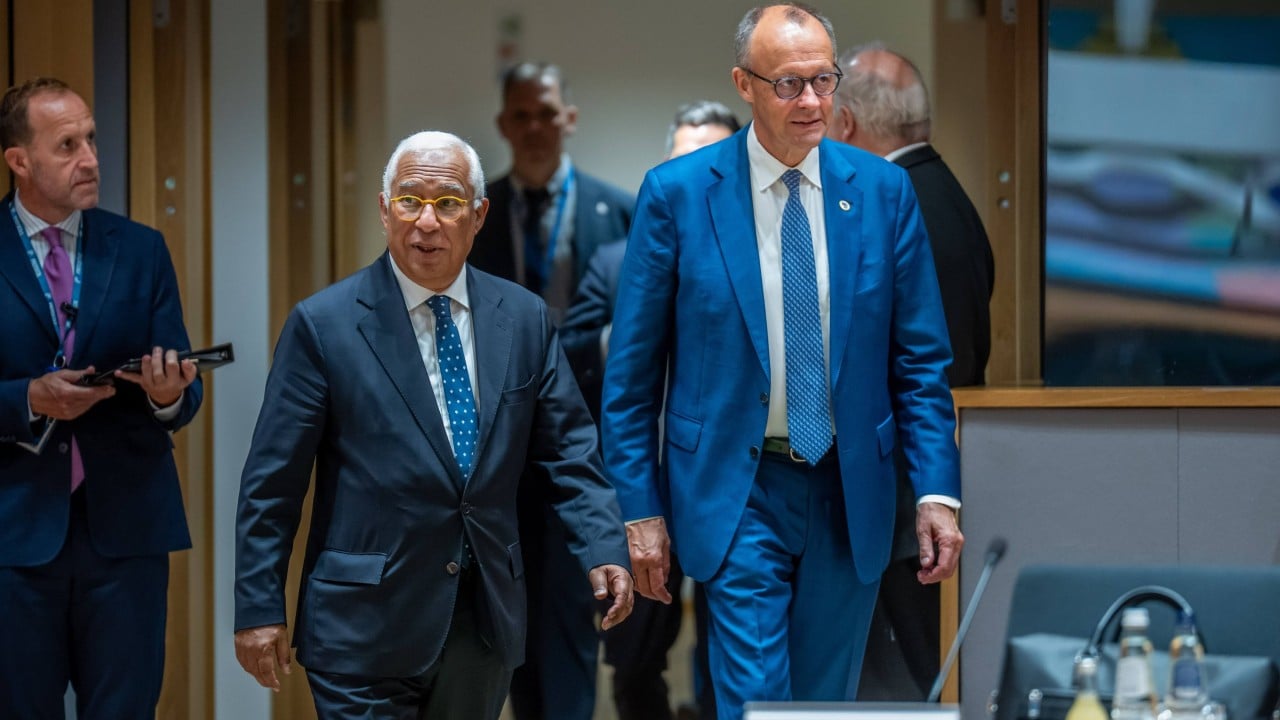

Coffee, chillies and cashews: China offers continent-wide market access to spice up trade with Africa
Translated from English, summarized and contextualized by DistantNews.
At a glance
News
Named sources
New plan
- China has granted continent-wide market access for African coffee, chillies, and cashews, bypassing traditional bilateral negotiations.
- This streamlined "green channel" applies uniform sanitary and phytosanitary standards to all 53 African countries with diplomatic ties to Beijing.
- The move aims to deepen trade relations and potentially influence global trade practices by simplifying import processes for African agricultural products.
China is significantly reshaping its trade approach with Africa by offering continent-wide market access for key agricultural products, including coffee, chillies, and cashews. This new policy bypasses lengthy bilateral negotiations, establishing a streamlined "green channel" for imports.
The initiative, announced by China's General Administration of Customs, applies uniform sanitary and phytosanitary (SPS) standards across all 53 African nations that maintain diplomatic relations with Beijing. Products that meet baseline requirements for pest risks, processing, and safety are now eligible for import without the need for individual country-specific trade agreements. This simplification aims to accelerate trade flows and deepen economic ties.
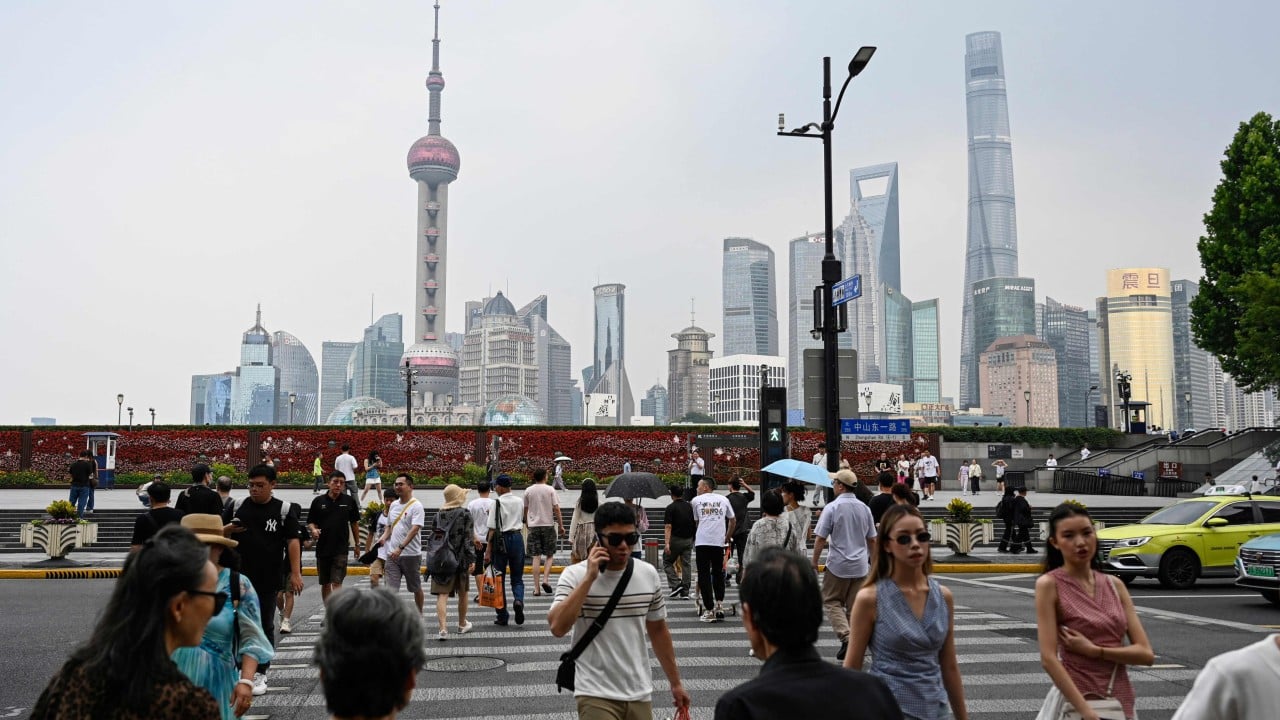
Mali was the first African country to pioneer chilli exports to China in 2021, with Uganda following suit earlier this year by shipping 11 tonnes of chillies to Shanghai. The growing demand for spicy flavors in China, particularly in Hunan and Sichuan provinces, has fueled the market for East African chillies, which are prized by Chinese food processors for their heat and low moisture content.
This shift in trade policy could have broader implications, potentially influencing how other governments approach import regulations and trade agreements. By simplifying access for African agricultural goods, China aims to foster closer economic partnerships and capitalize on the increasing demand for these products within its vast market.
DistantNews Editorial
Originally published by South China Morning Post in English. Translated, summarized, and contextualized by our editorial team with added local perspective. Read our editorial standards.
More Stories

From Our Blog

Countries Without a Free Press: What You Need to Know

What Press Freedom Means for the News You Read

What Gets Lost (and Found) When News Is Translated

The Critical Role of Diaspora Media in Global News

What Travellers Should Know About Countries with Restricted Press
