


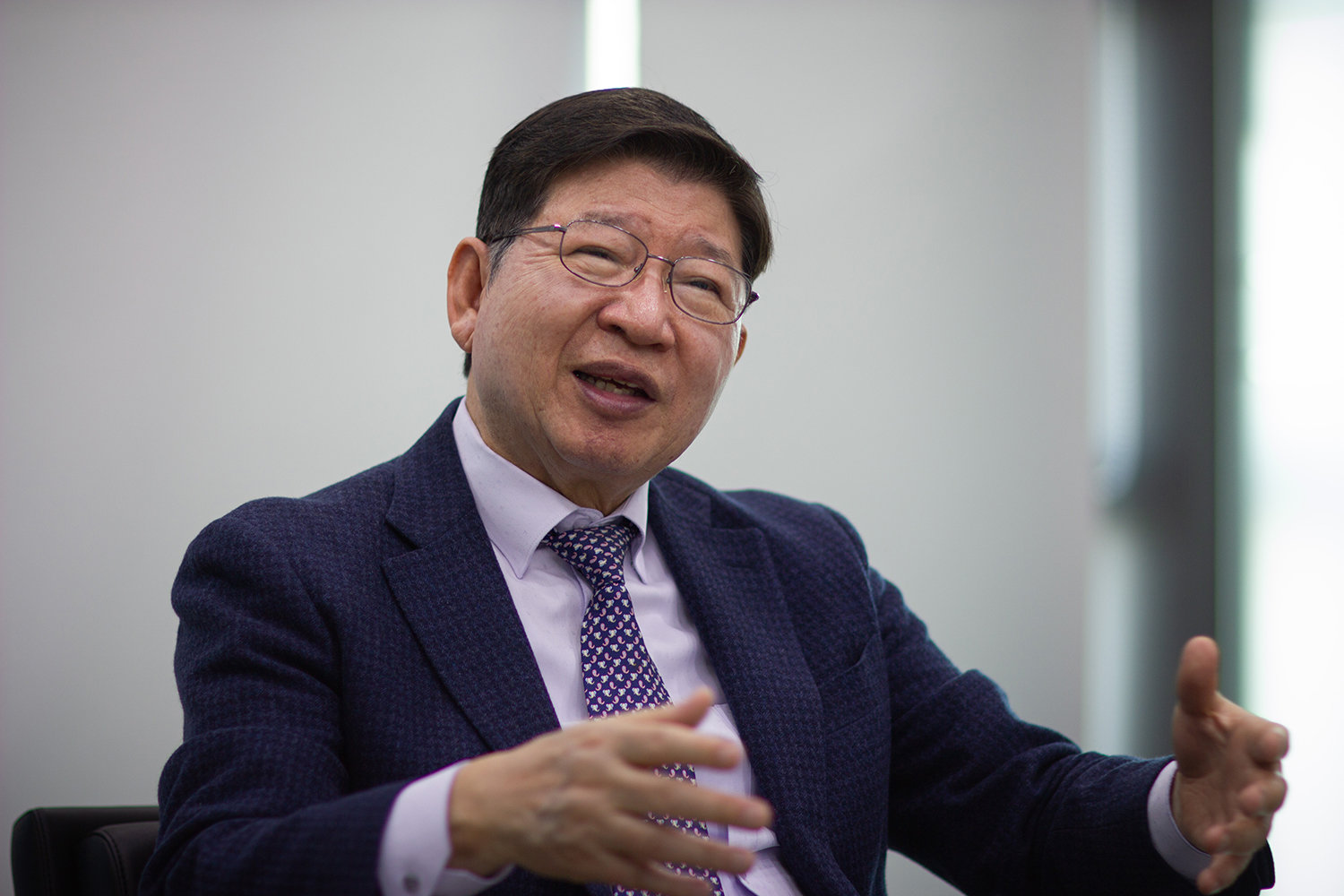
“Collecting Coins for 16 Billion Won”… The Miracle of UNICEF Achieved Through ‘Grassroots Giving’
Translated from Korean, summarized and contextualized by DistantNews.
TLDR
- UNICEF Korea ranks first globally in regular donors, with over 500,000 individuals contributing.
- South Korea, once a recipient of aid, is now a major donor nation, with personal donations accounting for 71% of the total.
- The success is attributed to "grassroots giving," exemplified by small, consistent donations and significant contributions from individuals who have overcome hardship.
Dong-A Ilbo celebrates the remarkable success of UNICEF Korea, highlighting its position as a leading global donor nation despite South Korea's own history as a former aid recipient. This unique trajectory is largely fueled by what Chairman Jeong Gap-yeong terms 'grassroots giving,' a powerful testament to the Korean people's generosity and empathy.
500,000 small donors, each giving less than 30,000 won per month, come together to create a miracle of 150 billion won annually. There's also the case of flight attendants collecting coins after each flight for over 30 years, raising over 16 billion won. It's truly a case of making a mountain out of dust.
The article emphasizes that individual contributions, particularly small, regular donations from over half a million people, form the backbone of this success. This contrasts sharply with the common perception that large corporate donations drive charitable giving. The story of flight attendants collecting coins over 30 years to raise over 16 billion won exemplifies the extraordinary impact of collective, small efforts – a true 'mountain made from dust.'
Furthermore, the piece delves into the motivations of major donors, noting a common thread of having experienced 'hardship' and achieving success through 'self-made' efforts. This suggests that empathy, born from personal struggle, is a significant driver of significant charitable acts, rather than mere financial capacity. The inspiring legacy of individuals like the late Ms. Park Yang-sook, who donated her entire fortune, and Ms. Kim Soon-jeon, who contributed significantly to educational facilities, underscores this profound connection between life experience and philanthropic commitment.
In my long observation, many of them have achieved wealth through self-made efforts and have gone through very difficult times.
From a Korean perspective, this phenomenon is deeply intertwined with the nation's own development narrative. Having transitioned from a recipient to a major donor, South Korea's charitable spirit reflects a collective desire to give back and contribute to global well-being, particularly in areas like education, which was instrumental in the nation's own rise. Chairman Jeong's call for increased corporate giving, framed through an economic lens of market balance and social responsibility, further contextualizes this within Korea's ongoing development as a mature global player. The rigorous screening process for donations, while potentially limiting, is presented as crucial for maintaining the trust and integrity essential for sustained, impactful philanthropy.
In the words of Adam Smith, the market can function well on its own without government intervention. That is because the 'sympathy' of economic actors, businesses, and consumers is the condition for this.
DistantNews Editorial
Originally published by Dong-A Ilbo in Korean. Translated, summarized, and contextualized by our editorial team with added local perspective. Read our editorial standards.
More Stories

From Our Blog

What Gets Lost (and Found) When News Is Translated

The Critical Role of Diaspora Media in Global News

What Travellers Should Know About Countries with Restricted Press

A Digital Nomad's Guide to Following Local News

How the Same Story Looks Different in Different Countries
