


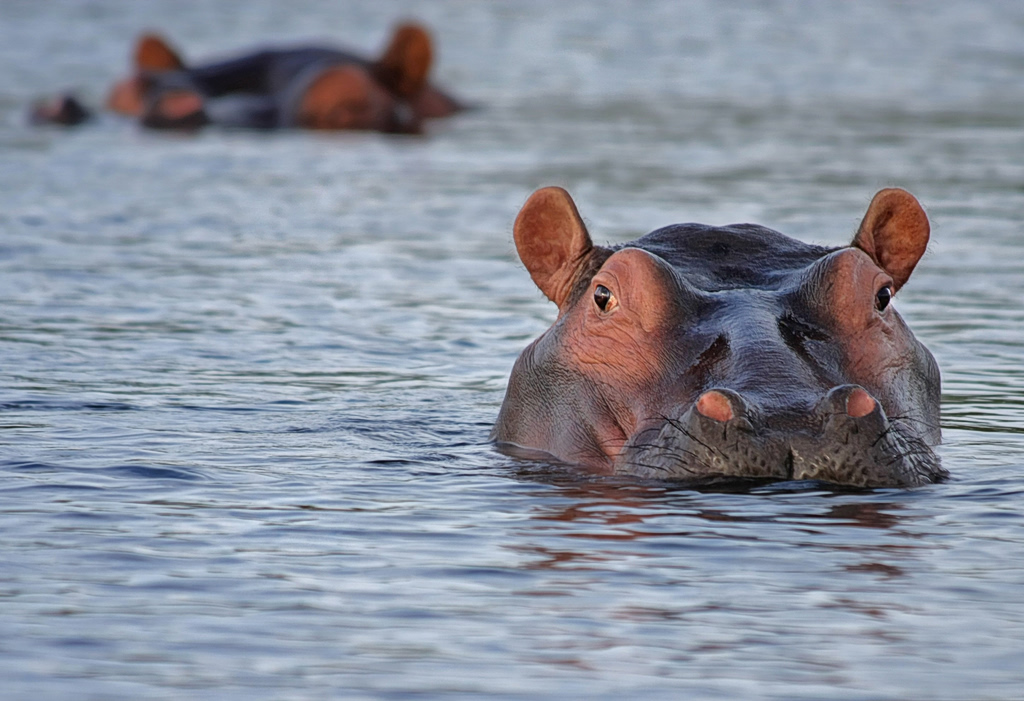
Colombia: Baby hippo rescued from Pablo Escobar's former herd
Translated from Greek, summarized and contextualized by DistantNews.
At a glance
News
Official statement
Outcome reported
- A baby hippopotamus, belonging to the invasive herd descended from Pablo Escobar's private collection, was rescued in northwestern Colombia.
- The young animal was found malnourished and dehydrated by fishermen along a riverbank.
- The hippopotamus population, now numbering around 200, is considered an invasive species, and the government has approved a plan to euthanize some of them.
A baby hippopotamus, part of the infamous herd descended from drug lord Pablo Escobar's private zoo, has been rescued in northwestern Colombia. The young animal was discovered by fishermen along a riverbank, showing signs of severe malnutrition and dehydration.
According to Colombia's Ministry of Environment, approximately 200 hippos now roam freely in the country, all descendants of the animals imported by Escobar in the 1980s for his Hacienda Napoles estate. After his death in 1993, these hippos escaped and established themselves along the Magdalena River, disrupting the local ecosystem and leading to documented attacks on fishermen.
The rescued calf was found separated from its mother and hidden in bushes near Puerto Triunfo, Antioquia. Veterinarians treated the animal for advanced dehydration and malnutrition before transferring it to a sanctuary at Hacienda Napoles, which now operates as a theme park. The hippos are considered an invasive species, posing a threat to the environment and public safety.
This rescue comes as the Colombian government grapples with managing the growing hippo population. Earlier this year, a plan was approved to euthanize around 80 of the animals, following unsuccessful attempts at population control through sterilization. The herd in Colombia is the largest population of hippos outside of Africa.
advanced dehydration and malnutrition
DistantNews Editorial
Originally published by Ta Nea in Greek. Translated, summarized, and contextualized by our editorial team with added local perspective. Read our editorial standards.
More Stories



From Our Blog

What Gets Lost (and Found) When News Is Translated

The Critical Role of Diaspora Media in Global News

What Travellers Should Know About Countries with Restricted Press

A Digital Nomad's Guide to Following Local News

How the Same Story Looks Different in Different Countries
