


Column: Trump is no exception; great power leaders tend to believe in quick wars
Translated from Finnish, summarized and contextualized by DistantNews.
TLDR
- The article critiques the tendency of great powers, including the US under Trump, to rely on intuition and underestimate the complexity of modern warfare, often leading to prolonged conflicts.
- It highlights the disconnect between accumulated expertise within superpowers and its actual application in strategic decision-making, citing the US-Iran conflict as an example.
- Drawing on historian Phillips Payson O’Brien's work, the piece argues that leaders' mindsets, rather than just military might, significantly shape the outcomes of wars, challenging the notion of superpower invincibility.
In the grand theater of international relations, the United States, despite its vast reservoir of expertise, often falters when it comes to the brutal calculus of war. This is not a new phenomenon, nor is it unique to any single administration. As this analysis points out, leaders, swayed by their own worldviews and preferences, can easily sideline the very intelligence and analysis painstakingly gathered by experts. The decision to engage in conflict, particularly with nations like Iran, can become an exercise in personal conviction rather than strategic foresight.
The United States has taken care to ensure that it has a lot of broad expertise. However, it is easily left unused when planning a war. The decision is ultimately influenced by the leaders' worldview and preferences.
The recent confrontation with Iran serves as a stark reminder. President Trump, like many leaders before him, seemed to believe in the possibility of a swift and decisive victory. However, the reality on the ground proved far more complex. The conflict, rather than yielding the quick win envisioned, has instead bolstered the Iranian regime and highlighted the limitations of even the most powerful military. This underscores a critical point: superpowers are not invincible, and their carefully cultivated expertise can be rendered ineffective when leadership prioritizes intuition over informed strategy.
The United States president Donald Trump ultimately decided to start the war on his own intuition and believed that victory could be achieved quickly and clearly.
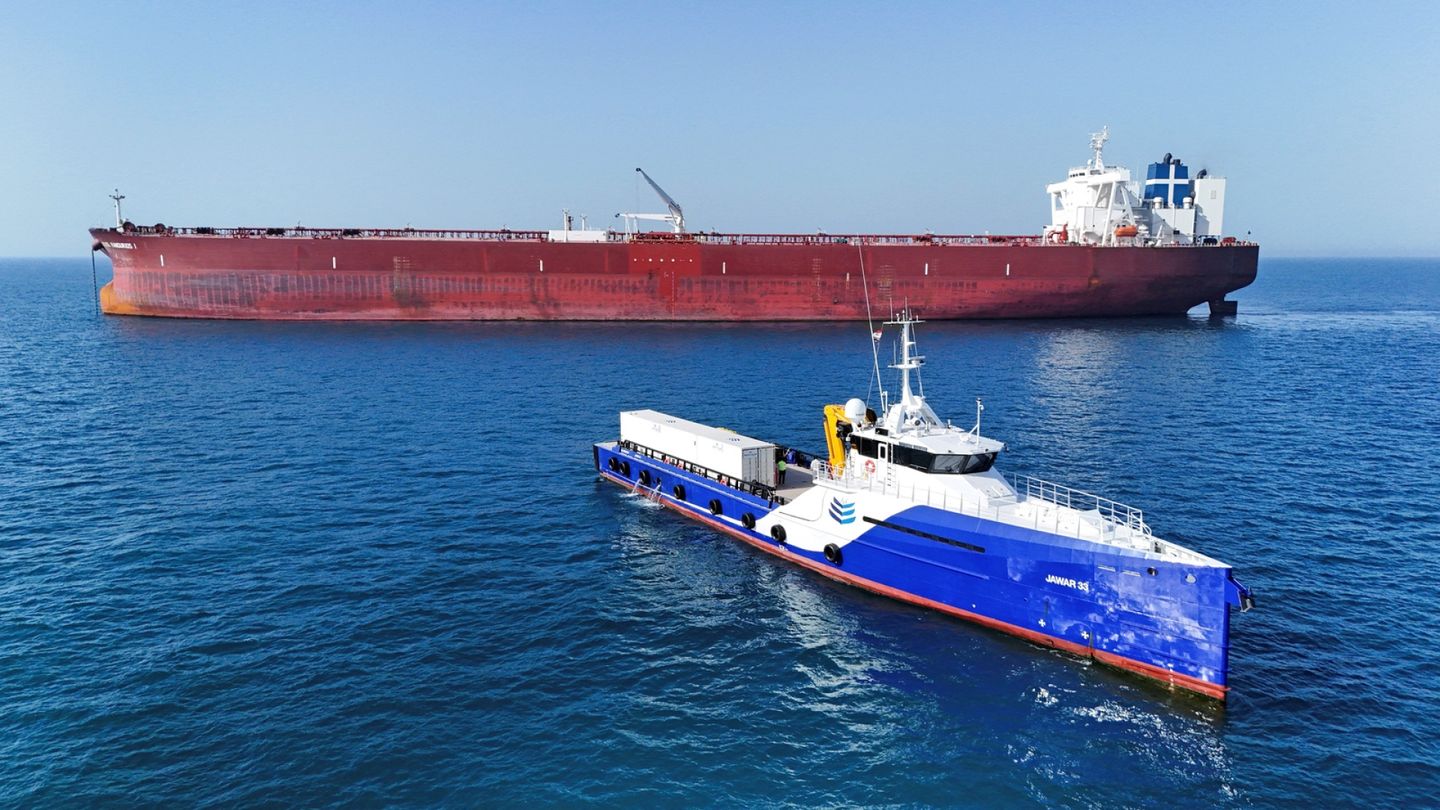
As historian Phillips Payson O’Brien suggests, the mindset of leaders plays a pivotal role in shaping the course and outcome of wars. Superpowers have historically found themselves outmatched by smaller adversaries, demonstrating that military might alone is not a guarantee of success. The Iranian regime's ability to disrupt shipping in the Strait of Hormuz, for instance, has shifted global attention away from the immediate conflict and toward its broader economic implications, illustrating how asymmetric tactics can redefine the strategic landscape. This serves as a potent lesson for any nation contemplating military action: the human element—the leader's perception and the nation's strategic culture—is as crucial as any weapon in the arsenal.
The outcome of the war with Iran is still too early to assess, but it can be easily said that the quick victory imagined by Trump was not achieved.
DistantNews Editorial
Originally published by Helsingin Sanomat in Finnish. Translated, summarized, and contextualized by our editorial team with added local perspective. Read our editorial standards.
More Stories



From Our Blog

What Gets Lost (and Found) When News Is Translated

The Critical Role of Diaspora Media in Global News

What Travellers Should Know About Countries with Restricted Press

A Digital Nomad's Guide to Following Local News

How the Same Story Looks Different in Different Countries
