


Commentary: New Emergency Arrest Powers Evoke Japanese Colonial Police Tactics
Translated from Korean, summarized and contextualized by DistantNews.
At a glance
Opinion
Sources not specified
Context piece
- A commentary criticizes the prosecution's recent emergency arrest powers, drawing parallels to the oppressive tactics of Japanese colonial police.
- The article argues that the system allows for easy detention of citizens, reminiscent of the colonial era's unchecked power.
- It suggests that granting such broad arrest authority without sufficient checks echoes the justifications used during Japanese rule.
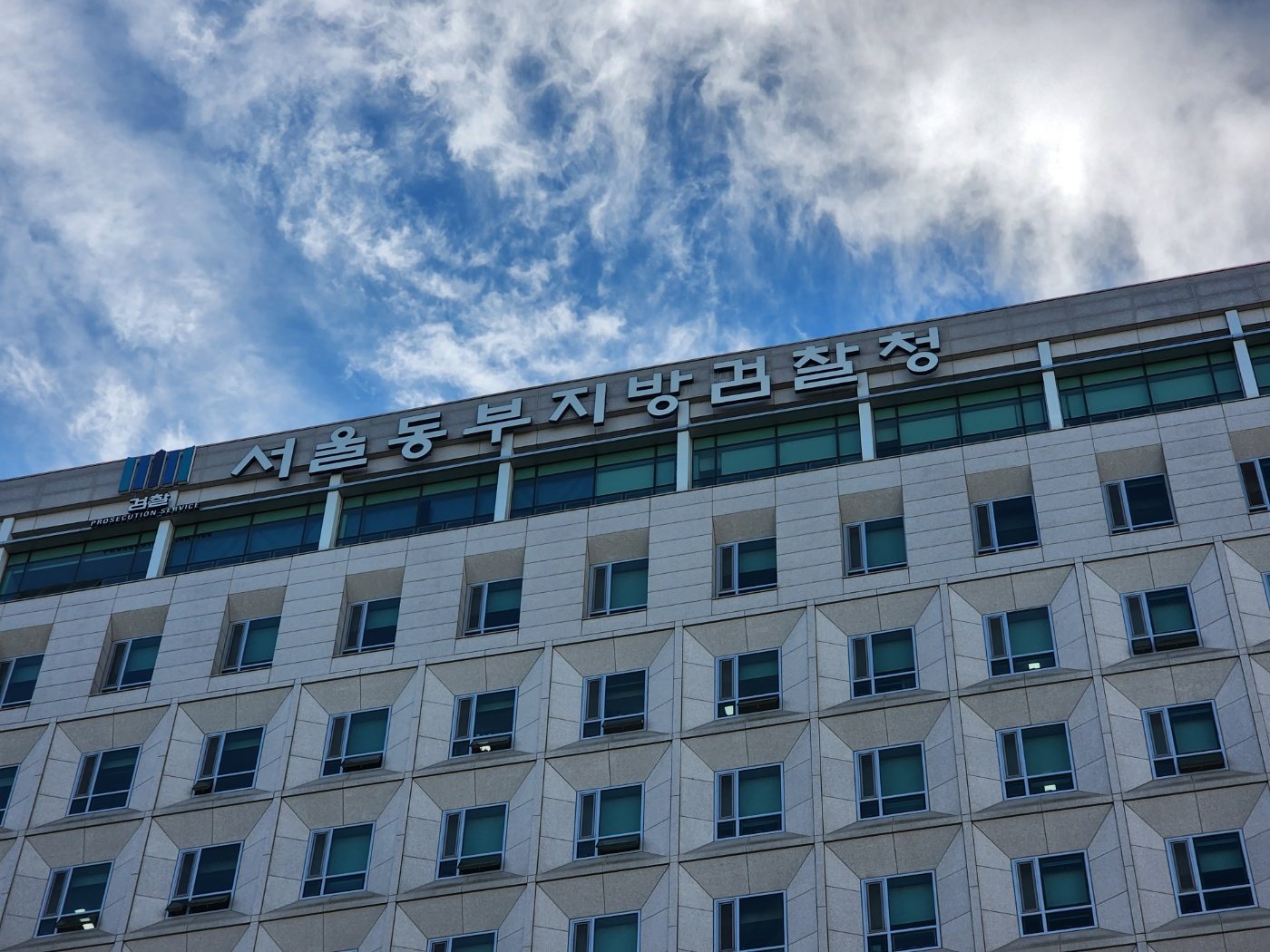
A critical commentary published by Chosun Ilbo draws a stark parallel between the prosecution's recently expanded emergency arrest powers and the oppressive methods of Japanese colonial police in early 20th-century Korea. The article argues that the system's design facilitates the easy detention of citizens, evoking the unchecked authority wielded by colonial-era law enforcement. It suggests that the justifications used for these new powers echo those employed during Japanese rule, when Korean society was deemed less civilized and thus subject to different legal standards. The piece expresses concern that such broad arrest authority, lacking adequate oversight, could lead to abuses reminiscent of the 'Ilje Sunsa' or Japanese imperial police, who were known for their brutality and arbitrary detentions. The commentary implies that the current legal framework risks repeating historical mistakes by enabling similar levels of state control over individual liberty.
DistantNews Editorial
Originally published by Chosun Ilbo in Korean. Translated, summarized, and contextualized by our editorial team with added local perspective. Read our editorial standards.
More Stories
From Our Blog

What Gets Lost (and Found) When News Is Translated

The Critical Role of Diaspora Media in Global News

What Travellers Should Know About Countries with Restricted Press

A Digital Nomad's Guide to Following Local News

How the Same Story Looks Different in Different Countries
