


🇸🇬
Singapore
Commentary: What four weekends with locals and foreigners can teach us about common ground in Singapore
Summarized and contextualized by DistantNews.
TLDR
- A consensus conference in Singapore brought together 23 strangers, including locals and foreigners, to discuss sensitive issues like immigration and job access.
- Despite initial tensions and strong disagreements, participants were able to voice their concerns respectfully and engage in constructive dialogue over four sessions.
- The process highlighted the importance of skilled facilitation and collaborative drafting in fostering mutual respect and common ground, even amidst differing views.
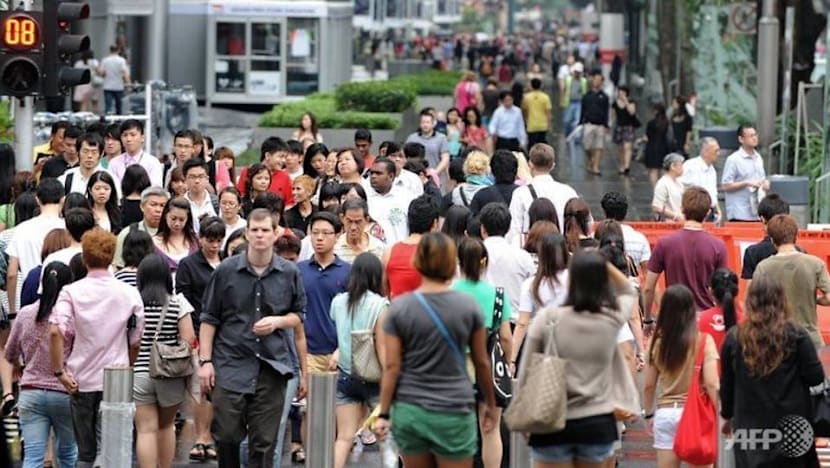
At the Institute of Policy Studies (IPS), we believe in the power of dialogue to bridge divides. Our recent consensus conference on local-foreign integration, detailed in this commentary, offered a microcosm of Singapore's ongoing national conversation. We witnessed firsthand how deeply held frustrations regarding immigration and job security could be aired, not in a vacuum, but within a structured environment designed for mutual understanding.
He wrote that he intended to be vocal. That he was angry and frustrated. That he wanted to voice his concerns about citizens being neglected, about job losses to foreigners, about how he saw his country being flooded by foreign workers and immigrants.
The journey of one participant, who initially expressed significant anger and a desire to voice his concerns forcefully, exemplifies the transformative potential of such forums. His willingness to engage over four full-day sessions with a diverse group of 23 individuals – 16 citizens, three permanent residents, and five foreigners – underscores a shared, albeit sometimes unspoken, desire for common ground. The fact that he found the experience valuable, not because his mind was changed, but because respectful dialogue was possible, speaks volumes about the need for such spaces in our society.
Not because it had changed his mind – but because all those present had been free to voice their views and reason with one other, and no one had been pushed to adopt a pre-determined position.
What truly resonated, beyond the study's findings on integration, was the human element. The palpable tension in the room, where blunt statements were made and visibly uncomfortable silences followed, was eventually diffused by shared meals and casual conversations. This ability for participants to clash over substantive issues and then find warmth and camaraderie outside the formal sessions is a testament to the human capacity for empathy and connection. It’s a dynamic that perhaps Western media, often focused on conflict, might overlook in their coverage of Singapore’s integration challenges.
How does fierce debate in the room and warmth outside it co-exist? How did disagreement not curdle into contempt?
We attribute this success to three key elements: expert facilitation that allowed discomfort to exist without being rushed, a collaborative process where participants actively built consensus statements word by word, and the inherent value placed on dissent and reasoned argument. This approach is uniquely Singaporean in its pragmatic pursuit of harmony, demonstrating that even in a diverse and dynamic society facing complex challenges, finding common ground is not only possible but essential for our collective well-being.
Our facilitators let discomfort sit without rushing to resolve it, but also invited voices back when they went quiet.
DistantNews Editorial
Originally published by CNA. Summarized and contextualized by our editorial team with added local perspective. Read our editorial standards.
More Stories
From Our Blog

What Gets Lost (and Found) When News Is Translated

The Critical Role of Diaspora Media in Global News

What Travellers Should Know About Countries with Restricted Press

A Digital Nomad's Guide to Following Local News

How the Same Story Looks Different in Different Countries
