

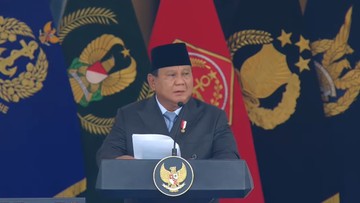

Commission III Chair Habiburokhman: Don't Drag Dasco into This
Summarized and contextualized by DistantNews.
At a glance
News
Sources not specified
Under investigation
- The Indonesian House of Representatives' Commission III formed a working committee to monitor the handling of corruption allegations against former Deputy Attorney General Febrie Adriansyah.
- Commission Chair Habiburokhman stated the committee aims to ensure proper law enforcement and prevent institutional friction.
- The initiative stems from a desire to give the case special attention due to its scale and ensure the rule of law prevails.
Indonesia's House of Representatives Commission III has established a working committee to oversee the investigation into corruption allegations concerning former Deputy Attorney General for Special Crimes, Febrie Adriansyah. The move underscores the significant attention the case has garnered due to its magnitude.
Habiburokhman, the Commission III Chair, initiated the formation of the committee. He emphasized its primary objective: to guarantee that law enforcement processes are conducted appropriately and to preempt any potential conflicts between different state institutions. "Our objective is to ensure the rule of law prevails and to prevent friction between institutions," Habiburokhman stated.
This case is receiving special attention from the commission, reflecting its importance within the legal and political landscape. Habiburokhman highlighted that the committee's formation is part of a swift response to the ongoing developments surrounding the Febrie Adriansyah case. The commission's involvement aims to ensure transparency and adherence to legal procedures throughout the investigation.
The initiative, which involved discussions with Tempo journalists on July 17 and a doorstep interview on July 11, 2026, reflects the legislative body's commitment to upholding justice and maintaining institutional integrity. The commission's oversight is expected to provide an additional layer of scrutiny to the handling of this high-profile corruption allegation.
Our objective is to ensure the rule of law prevails and to prevent friction between institutions.
DistantNews Editorial
Originally published by Tempo. Summarized and contextualized by our editorial team with added local perspective. Read our editorial standards.
More Stories


From Our Blog

What Gets Lost (and Found) When News Is Translated

The Critical Role of Diaspora Media in Global News

What Travellers Should Know About Countries with Restricted Press

A Digital Nomad's Guide to Following Local News

How the Same Story Looks Different in Different Countries
