


Concrete Does Not Heal: Hungary's Path to Desertification
Translated from Hungarian, summarized and contextualized by DistantNews.
At a glance
Analysis
Sources not specified
Context piece
- Hungary is facing desert-like conditions due to excessive concrete construction and the drying out of natural water cycles.
- The author argues that instead of further concrete projects, allowing rivers like the Danube and Tisza to flow naturally would restore floodplains and water levels.
- Natural water management, including opening floodgates and restoring wetlands, is presented as the solution to Hungary's water scarcity and extreme temperatures.
Hungary is rapidly transforming into a desert, a consequence of relentless concrete construction and the disruption of natural water cycles, according to a critical analysis in Magyar Nemzet. The author draws a stark parallel between the country's current environmental trajectory and the extreme temperature fluctuations of a desert, where days are scorching and nights are frigid.
The piece argues that the fundamental principle of water, much like money, is its constant movement. When water is stagnant, like in artificial reservoirs, it becomes foul. Conversely, when allowed to follow its natural course, it pulses, floods, recedes, nourishes the soil, evaporates, and returns as rain, completing a vital cycle. This basic ecological understanding, akin to a fifth-grade science lesson, seems lost on decision-makers and contractors focused on public works projects.
The author criticizes the prevailing notion that more concrete will solve the problem, likening it to Germany's failed strategies in past world wars. The article points to the "unexpected" negative consequences of large-scale construction projects, such as silt accumulation behind dams, which can deplete groundwater and even drinking water supplies. The solution, it contends, lies not in more dams or pumping, but in restoring the natural flow of rivers.
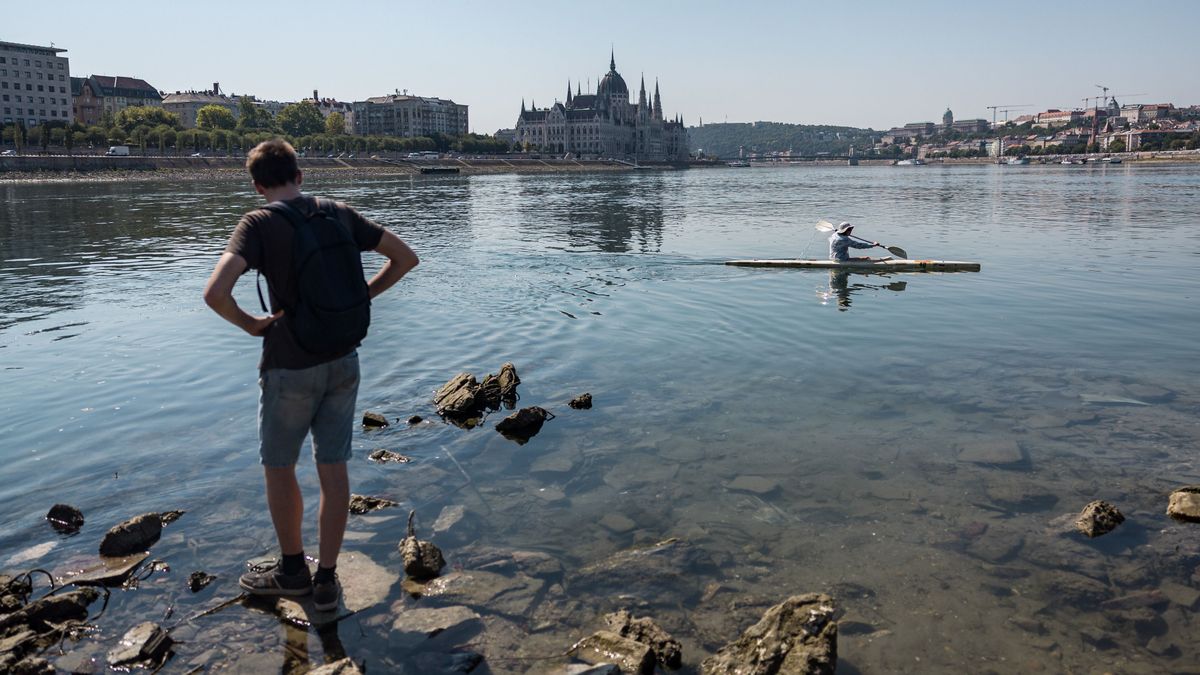
Specifically addressing the low water levels in the Danube, the article attributes them not to a lack of dams, but to the riverbed's deepening since regulation and insufficient water from tributaries due to drought. The Carpathian Basin is described as a unified ecological system, where the drying of its central plains has a cascading effect on the entire region. The proposed remedy involves opening the floodgates of the Danube and Tisza rivers to allow natural flooding of their plains, transforming degraded farmland back into rich wetland habitats.
DistantNews Editorial
Originally published by Magyar Nemzet in Hungarian. Translated, summarized, and contextualized by our editorial team with added local perspective. Read our editorial standards.
More Stories



From Our Blog

Countries Without a Free Press: What You Need to Know

What Press Freedom Means for the News You Read

What Gets Lost (and Found) When News Is Translated

The Critical Role of Diaspora Media in Global News

What Travellers Should Know About Countries with Restricted Press
