

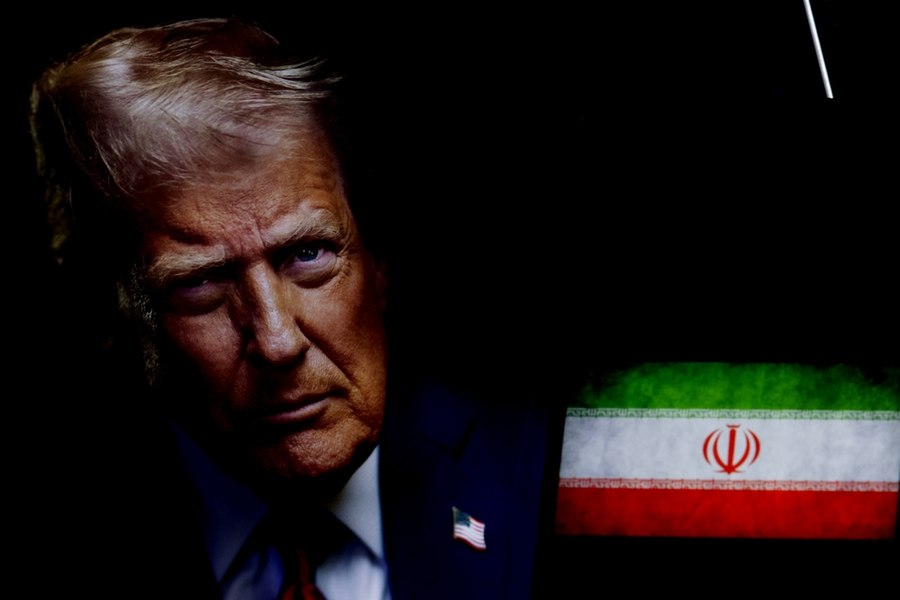

Could Iran Impose Transit Fees for the Strait of Hormuz? Trump Would Agree Under One Condition
Translated from Romanian, summarized and contextualized by DistantNews.
TLDR
- An analysis by the Chatham House think tank suggests Iran imposing transit fees on the Strait of Hormuz would be illegal under international law.
- The UN Convention on the Law of the Sea mandates transit passage for ships through straits under coastal state sovereignty.
- While Trump suggested a transit fee scheme could be acceptable if the US benefited, international law experts deem such a move illegal.
The ongoing tensions surrounding the Strait of Hormuz have escalated, with discussions around potential transit fees and blockades drawing international attention. A recent analysis by the respected Chatham House think tank delves into the legality of such measures under international maritime law, offering a critical perspective on recent pronouncements.
Cu toate că Trump a sugerat că o schemă de taxare a tranzitului prin Strâmtoarea Ormuz ar putea fi acceptabilă dacă și SUA ar beneficia de venituri, conform legislației internaționale o asemenea operațiune ar fi ilegală, se arată într-o analiză a think tankului Chatam House.
According to the analysis, any attempt by Iran to impose transit fees on vessels passing through the Strait of Hormuz would contravene the United Nations Convention on the Law of the Sea. This convention clearly establishes the right of 'transit passage' for ships belonging to all states through straits that are crucial for international navigation. The report emphasizes that even in times of conflict, blocking or taxing legitimate commercial traffic is not permissible.
Convenția Națiunilor Unite asupra Dreptului Mării a stabilit că statele de coastă trebuie să accepte un drept extins de „tranzit” pentru navele tuturor statelor prin strâmtorile asupra cărora își exercită suveranitatea.
The article also addresses statements made by former US President Donald Trump, who reportedly indicated openness to a transit fee scheme if the United States were to benefit. However, the legal experts cited by Chatham House firmly reject this notion, asserting that such an operation would be illegal regardless of any perceived benefit to a third party. The analysis highlights that international law, not bilateral agreements or political expediency, must govern passage through vital waterways like the Strait of Hormuz.
Nici chiar situația de război, nu poate justifica oprirea a peste o sută de nave zilnic în strâmtoare, toate implicate în comerț legal.
From a Romanian perspective, understanding these international legal frameworks is crucial. Romania, as a maritime nation with interests in global trade and security, relies on the principle of free navigation. The potential for conflict and disruption in strategic waterways like the Strait of Hormuz directly impacts global supply chains and economic stability, affecting nations far beyond the immediate region. Adevărul, in reporting this analysis, underscores the importance of upholding international law to ensure predictable and secure maritime transit for all.
O blocadă este un act de război.
DistantNews Editorial
Originally published by Adevărul in Romanian. Translated, summarized, and contextualized by our editorial team with added local perspective. Read our editorial standards.
More Stories


From Our Blog

What Gets Lost (and Found) When News Is Translated

The Critical Role of Diaspora Media in Global News

What Travellers Should Know About Countries with Restricted Press

A Digital Nomad's Guide to Following Local News

How the Same Story Looks Different in Different Countries
