


🇬🇹
Guatemala
Could Izabal, Xela, or Chimaltenango Have Cable Cars?
Translated from Spanish, summarized and contextualized by DistantNews.
TLDR
- Urban cable car systems, like the Aerometro currently under construction, are being proposed as mobility solutions in Guatemala.
- The Aerometro aims to significantly reduce travel times between Mixco and El Trébol, transporting an estimated 75,000 people daily.
- Several other departments, including Quetzaltenango and Izabal, are being considered for similar aerial mobility projects due to population growth and geographical challenges.
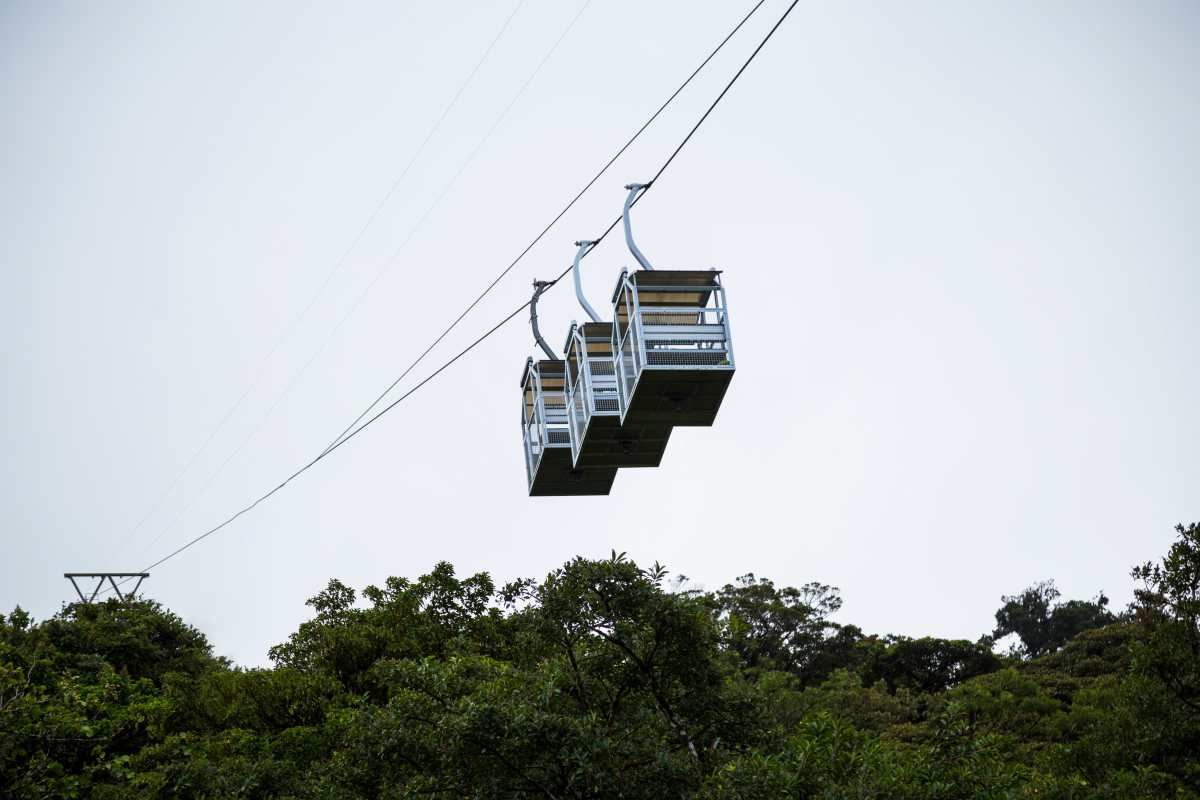
Guatemala is exploring innovative urban mobility solutions, with aerial cable car systems emerging as a promising answer to the country's growing transportation challenges. Prensa Libre highlights the ongoing construction of the Aerometro, a project set to connect Guatemala City with the municipality of Mixco, promising to slash travel times by as much as 70%.
Esto genera congestión crónica, largos tiempos de traslado, altos costos sociales y ambientales
The Aerometro is not just about speed; it's designed to handle substantial passenger volumes, with projections of 75,000 people per day. This initiative is part of a broader vision to implement aerial mobility solutions in other densely populated and geographically complex departments, including Quetzaltenango, Escuintla, Chimaltenango, Izabal, Zacapa, and Chiquimula. These projects are seen as crucial for integrating historically underserved areas into the urban fabric and alleviating chronic congestion.
Permiten conectar zonas históricamente excluidas al sistema urbano formal
José Guillermo Guerrero, executive vice president of the Central American Bank for Economic Integration (BCIE), emphasizes the success of Guatemala's public-private concession model for such infrastructure. This model, he explains, effectively balances private sector efficiency with public objectives, ensuring financial sustainability and risk distribution. The collaboration between local governments, providing urban vision and democratic legitimacy, and the private sector, offering technical expertise and operational efficiency, is deemed key to transforming complex projects into tangible solutions for citizens. The potential for aerial systems in Antigua Guatemala, connecting the international airport to the colonial city, is also under study, signaling a forward-thinking approach to urban planning in the region.
El caso guatemalteco además contiene un elemento central y clave de éxito: el modelo de concesión municipal que permite alinear la eficiencia privada con objetivos públicos, distribuye los riesgos de manera adecuada y garantiza sostenibilidad financiera
DistantNews Editorial
Originally published by Prensa Libre in Spanish. Translated, summarized, and contextualized by our editorial team with added local perspective. Read our editorial standards.
More Stories



From Our Blog

What Gets Lost (and Found) When News Is Translated

The Critical Role of Diaspora Media in Global News

What Travellers Should Know About Countries with Restricted Press

A Digital Nomad's Guide to Following Local News

How the Same Story Looks Different in Different Countries
