


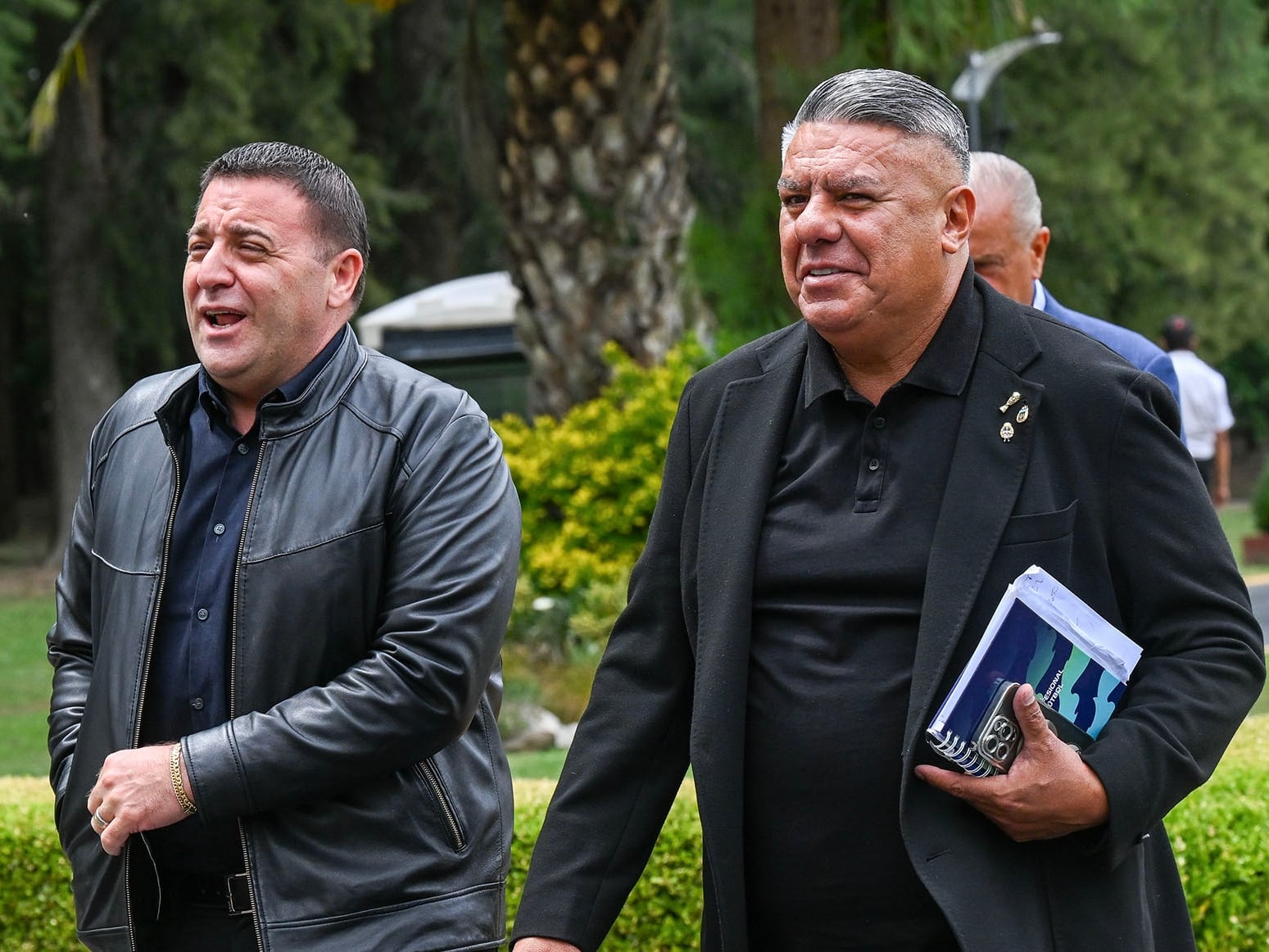
Court Halts AFA Case Transfer, Sending Dispute to Supreme Court
Translated from Spanish, summarized and contextualized by DistantNews.
TLDR
- A court has halted the transfer of a case investigating the Argentine Football Association (AFA) to a court in Campana, as sought by its president Claudio Tapia.
- The case involves allegations of diverting at least US$42 million to shell companies in Miami, stemming from a complaint by businessman Guillermo Tofoni.
- The Chamber of Criminal Cassation ruled that the alleged money laundering does not automatically pull all related prior offenses into federal jurisdiction, sending the dispute to the Supreme Court.
The Argentine Football Association (AFA) and its leadership, including President Claudio Tapia and Treasurer Pablo Toviggino, have faced a significant setback in their efforts to consolidate legal cases against them. The Chamber of Criminal Cassation has intervened, preventing the transfer of a key investigation into alleged financial misconduct to the Campana court, a move widely seen as a strategic maneuver by Tapia and Toviggino.
This particular case, initiated by businessman Guillermo Tofoni, centers on accusations of diverting at least US$42 million. These funds, reportedly generated from national team contracts and international business dealings, are alleged to have been channeled through offshore shell companies in Miami instead of entering the AFA's coffers. The investigation holds particular significance as it is the only one that has revealed bank records detailing these alleged diversions.
although there may be factual connection between the alleged diversion and the laundering, the laundering is an autonomous crime and does not automatically drag all prior offenses into federal jurisdiction.
The judicial tug-of-war over jurisdiction has been intense. While Judge Adrián González Charvay of Campana sought to consolidate the case, citing federal tax issues and the alleged inseparable nature of money laundering and the diversion of funds, the Chamber of Criminal Cassation has pushed back. In a strong ruling, Judge Ignacio Rodríguez Varela emphasized that money laundering is an autonomous crime and does not automatically drag all preceding offenses into federal jurisdiction. The court also noted the "striking" nature of the attempt to move all AFA investigations to the conurbation, especially when the association's primary operations are based in Buenos Aires City, not Pilar as argued by the defense.
This decision underscores the complex legal battles surrounding the AFA's leadership. The ruling not only thwarts Tapia and Toviggino's strategy but also highlights judicial scrutiny over their attempts to control the legal proceedings. The matter now rests with the Supreme Court, which will ultimately decide the fate of this high-stakes investigation.
striking was the claim to move all AFA investigations to the conurbation, when in reality it is managed in the City of Buenos Aires and not in Pilar.
DistantNews Editorial
Originally published by La Nación in Spanish. Translated, summarized, and contextualized by our editorial team with added local perspective. Read our editorial standards.
More Stories



From Our Blog

What Gets Lost (and Found) When News Is Translated

The Critical Role of Diaspora Media in Global News

What Travellers Should Know About Countries with Restricted Press

A Digital Nomad's Guide to Following Local News

How the Same Story Looks Different in Different Countries
