


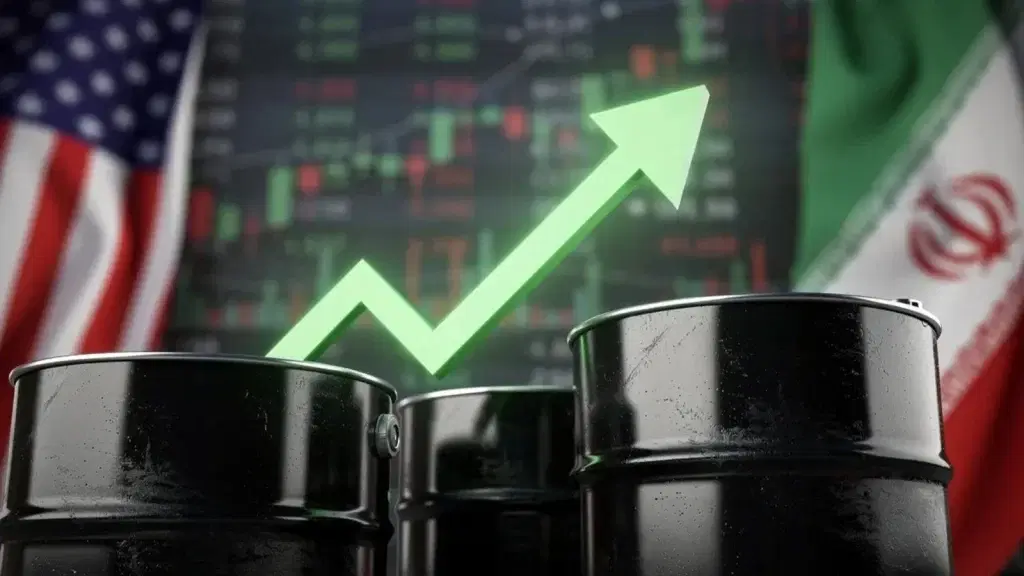
Crude Oil Surges Past $100 After US-Iran Talks Collapse
Translated from English, summarized and contextualized by DistantNews.
TLDR
- Crude oil prices surged above $100 per barrel following the collapse of talks between the United States and Iran.
- US Vice President JD Vance stated Iran refused Washington's terms, emphasizing the need for a commitment against pursuing nuclear weapons.
- Analysts predict continued price increases due to market tensions and uncertainties, with potential downstream impacts on fuel and goods prices, though the Dangote Refinery may mitigate some effects in Nigeria.
The global price of crude oil has dramatically rebounded, surpassing the $100 per barrel mark. This surge follows the breakdown of crucial talks between the United States and Iran over the weekend. Market watchers had previously anticipated an agreement, which had led to a dip in prices last week.
The bad news is that we have not reached an agreement, and I think that’s bad news for Iran much more than it’s bad news for the United States of America.
US Vice President JD Vance expressed disappointment, stating that Iran's refusal to accept Washington's terms was a significant setback. He highlighted the critical need for Iran to commit to not pursuing nuclear weapons or the means to develop them quickly. This stance underscores the ongoing geopolitical tensions that continue to influence global energy markets.
We need to see an affirmative commitment that they will not seek a nuclear weapon, and that they will not pursue the tools that would enable them to quickly achieve a nuclear weapon.
Experts predict that the price of crude oil will likely continue its upward trajectory in the coming weeks. This forecast is driven by persistent tensions, speculation, and general market uncertainties. The ripple effect is expected to extend beyond the upstream sector, impacting downstream markets and leading to higher prices for petroleum products like Premium Motor Spirit (PMS), commonly known as petrol. Consequently, transportation costs and the prices of various goods and services are also anticipated to rise.
From all indications, the price of crude will continue to rise in the coming weeks because of tensions, speculation, and uncertainties in the market. The market will be driven by heightened conflict and instability.
However, the impact on Nigeria's domestic economy might be somewhat cushioned by the operations of the Dangote Petroleum Refinery. The refinery's substantial capacity of 650,000 barrels per day could help stabilize energy costs to a degree, offering some relief amidst the global price volatility.
The impact will not be limited to the upstream segment; it will spill over into the downstream, leading to higher prices of petroleum products, especially Premium Motor Spirit (PMS), also known as petrol. Such increases will also affect transportation costs, as well as the prices of goods and services.
DistantNews Editorial
Originally published by Vanguard in English. Translated, summarized, and contextualized by our editorial team with added local perspective. Read our editorial standards.
More Stories



From Our Blog

How the Same Story Looks Different in Different Countries

What Gets Lost (and Found) When News Is Translated

The Critical Role of Diaspora Media in Global News

What Travellers Should Know About Countries with Restricted Press

A Digital Nomad's Guide to Following Local News
