


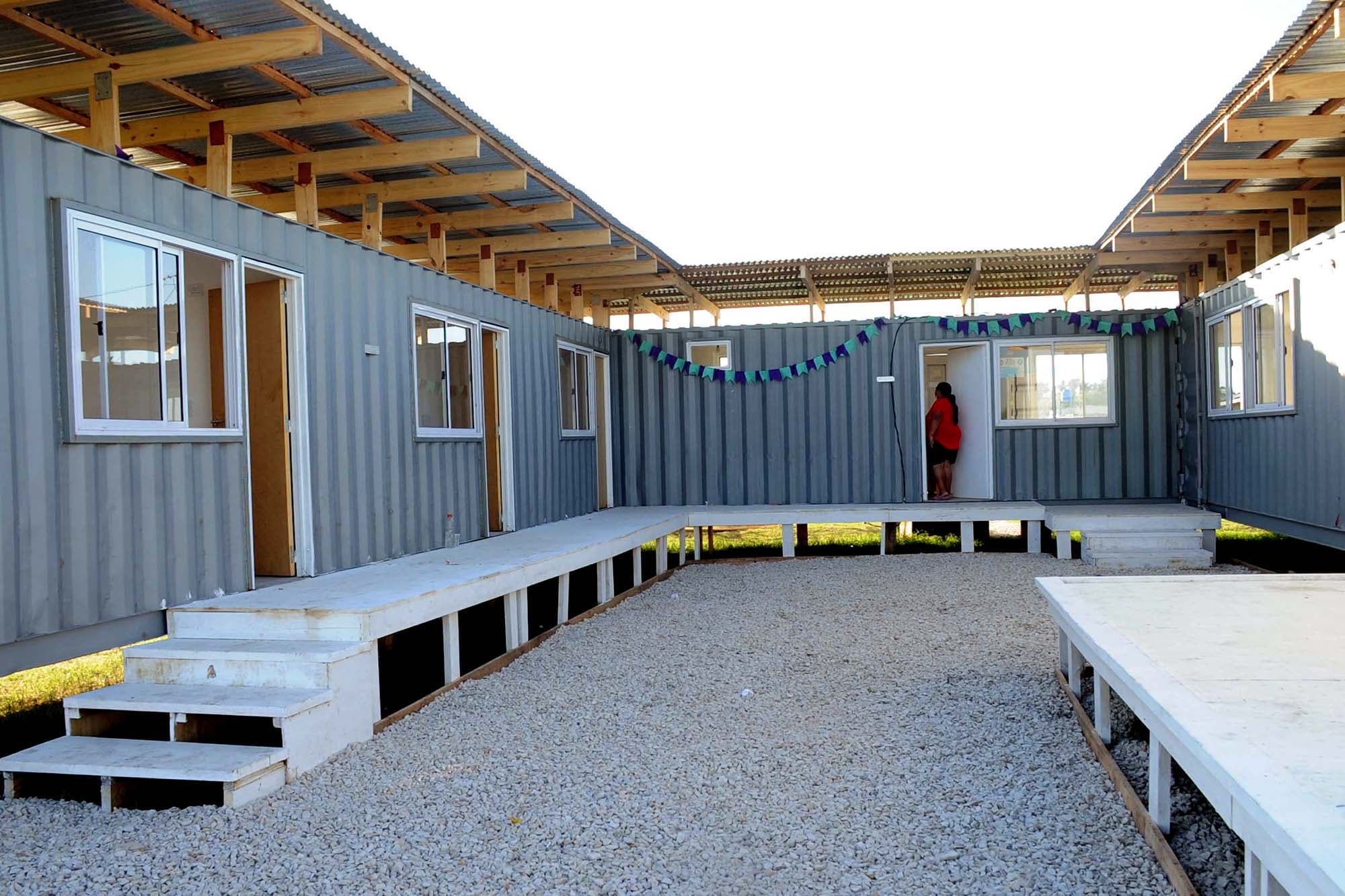
¿Cuánto cuesta una casa contenedor en mayo 2026?
Summarized and contextualized by DistantNews.
TLDR
- Shipping container homes offer an eco-friendly housing solution by repurposing retired maritime containers.
- While some companies ensure compliance with urban planning codes, experts caution that containers were not originally designed for habitation and can have structural and thermal issues.
- Prices for container homes vary, with smaller units available on platforms like Mercado Libre and larger, more equipped options offered by specialized builders.
In Argentina, the innovative concept of shipping container homes is gaining traction as a sustainable and potentially cost-effective housing alternative. Companies like Dice Containers are leading the charge, adapting used maritime containers into habitable dwellings that comply with local building regulations. This approach not only addresses the environmental concern of waste reduction but also offers a faster construction timeline compared to traditional methods. However, the burgeoning market is not without its critics. Some industry specialists, like Lucas Salvatore of Idero, raise valid concerns about the inherent limitations of shipping containers, which were originally designed for transporting goods, not for living. Issues such as heat absorption, potential water ingress, and structural integrity not meeting residential building codes are frequently cited. Despite these warnings, the appeal of container homes, particularly their perceived affordability and modern aesthetic, continues to draw interest. The availability of financing options, such as credits from the Banco Hipotecario, further enhances their accessibility for a wider range of buyers. The debate in Argentina, as elsewhere, centers on balancing the environmental and economic benefits against the need for robust, safe, and comfortable living spaces that meet all regulatory standards.
Yes, these houses reuse the containers that travel on ships transporting merchandise, to give them a new purpose: to be the home of a person or a family.
DistantNews Editorial
Originally published by La Nación. Summarized and contextualized by our editorial team with added local perspective. Read our editorial standards.
More Stories



From Our Blog

What Gets Lost (and Found) When News Is Translated

The Critical Role of Diaspora Media in Global News

What Travellers Should Know About Countries with Restricted Press

A Digital Nomad's Guide to Following Local News

How the Same Story Looks Different in Different Countries
