

Cuba announces major privatizations, moving away from planned economy
Translated from German, summarized and contextualized by DistantNews.
At a glance
News
From a news agency
New plan
- Cuba announced a significant reform package, signaling a departure from aspects of its socialist planned economy amid U.S. sanctions.
- The reforms include allowing private real estate projects and converting state-owned enterprises into private companies with stock participation.
- Prime Minister Manuel Marrero stated these measures aim to improve the population's quality of life and represent the most substantial change since the 1959 revolution, emphasizing it's a continuation, not an abandonment, of socialism.
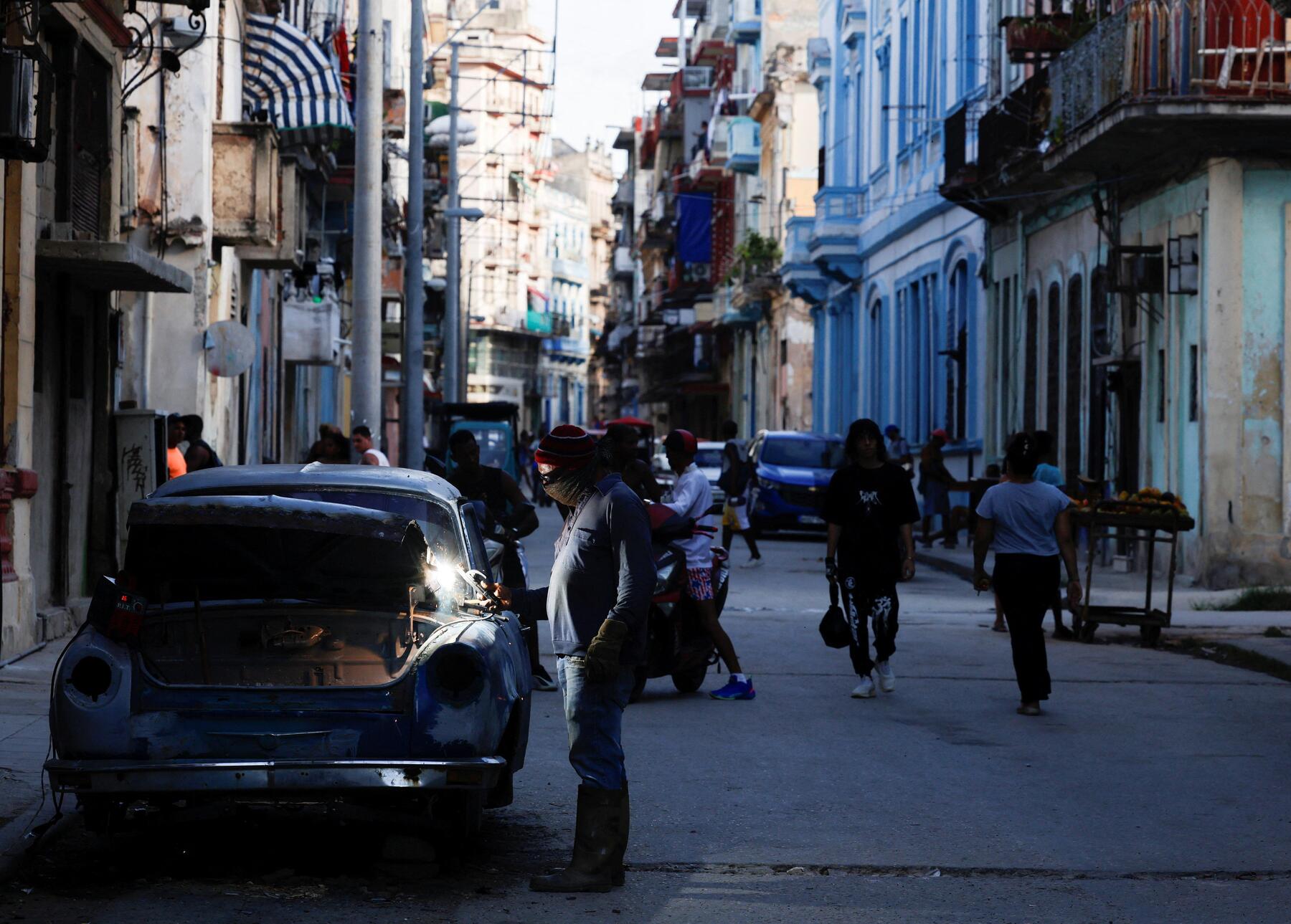
Cuba is embarking on a historic shift away from elements of its socialist planned economy, announcing a comprehensive reform package that includes widespread privatizations. This move comes as the Caribbean island grapples with a severe economic crisis, exacerbated by stringent U.S. sanctions that have deterred foreign investment and impacted the vital tourism sector.
Prime Minister Manuel Marrero presented the package to lawmakers, outlining measures that permit private real estate ventures and the transformation of state-owned enterprises into private companies with stock ownership. Additionally, private banks will gain access to the financial sector, and bureaucratic hurdles for private entrepreneurs will be reduced. Marrero described the market as an "instrument for the efficient distribution of resources," asserting that these changes are not a rejection of socialism but rather a means to further develop it.
It is not a departure from socialism, but its further development.
The reforms, comprising 175 measures, are presented as the most significant alteration to Cuba's socialist model since the 1959 revolution led by Fidel Castro. The overarching goal, according to Marrero, is to enhance the quality of life for the Cuban people. The proposals have received support from the Communist Party and former head of state Raul Castro, who urged for their swift implementation in a letter submitted to the Politburo and parliament.
These far-reaching changes must still be formally approved by the National Assembly, which began debating the proposals immediately after their presentation. The economic challenges facing Cuba, compounded by U.S. sanctions, have created a pressing need for such reforms to revitalize the nation's economy and improve living standards for its citizens.
The market is an instrument for the efficient distribution of resources.
DistantNews Editorial
Originally published by Die Presse in German. Translated, summarized, and contextualized by our editorial team with added local perspective. Read our editorial standards.
More Stories

From Our Blog

What Gets Lost (and Found) When News Is Translated

The Critical Role of Diaspora Media in Global News

What Travellers Should Know About Countries with Restricted Press

A Digital Nomad's Guide to Following Local News

How the Same Story Looks Different in Different Countries
