


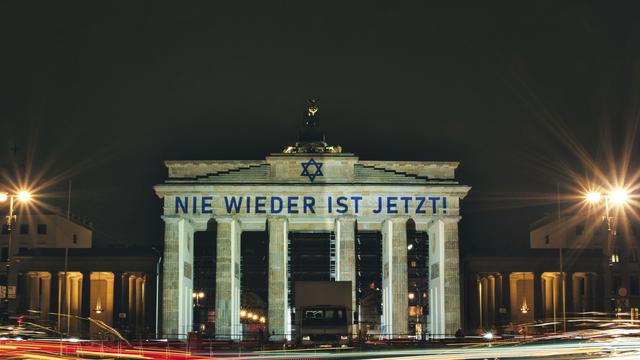
Culture of Remembrance in Germany: Out of the Combat Zone!
Translated from German, summarized and contextualized by DistantNews.
TLDR
- Germans are increasingly discussing their "culture of remembrance," with the term appearing in numerous articles and parliamentary records.
- Despite the heightened focus on remembrance, the discussion is often detached from actual historical events.
- Philosopher Omri Boehm highlights the distinction between "remembrance" and "history," noting that remembrance is directed towards the present and future, potentially leading to forgetting the past.
Germany is currently experiencing a significant surge in discussions surrounding its "culture of remembrance." The term itself has transitioned from a rarity in 1996 to a frequent subject in major newspapers and parliamentary proceedings, indicating a heightened national engagement with how the past is remembered.
However, this proliferation of discourse on remembrance does not necessarily equate to a deeper engagement with history itself. As philosopher Omri Boehm points out, drawing on historian Yosef Chaim Yerushalmi, there's a critical difference: history is fundamentally about the past, while remembrance is ultimately oriented toward the present and future. This focus can paradoxically lead to a form of forgetting, where the act of remembering serves contemporary needs rather than a genuine historical reckoning.
From a German perspective, this trend raises important questions about the purpose and direction of historical memory. Is the current emphasis on remembrance a tool for shaping national identity and future aspirations, or does it risk becoming a substitute for confronting the complexities of the past? The German media's extensive coverage reflects a society grappling with how to process its history in a way that is relevant today, yet the underlying detachment from the past itself remains a point of critical observation.
the essential difference between remembering and history is that in history it is actually about the past, whereas remembrance is ultimately directed towards the present and future. And that is precisely the reason why it is possible to remember – and yet to forget.
DistantNews Editorial
Originally published by Die Zeit in German. Translated, summarized, and contextualized by our editorial team with added local perspective. Read our editorial standards.
More Stories



From Our Blog

What Gets Lost (and Found) When News Is Translated

How the Same Story Looks Different in Different Countries

The Critical Role of Diaspora Media in Global News

What Travellers Should Know About Countries with Restricted Press

A Digital Nomad's Guide to Following Local News
