


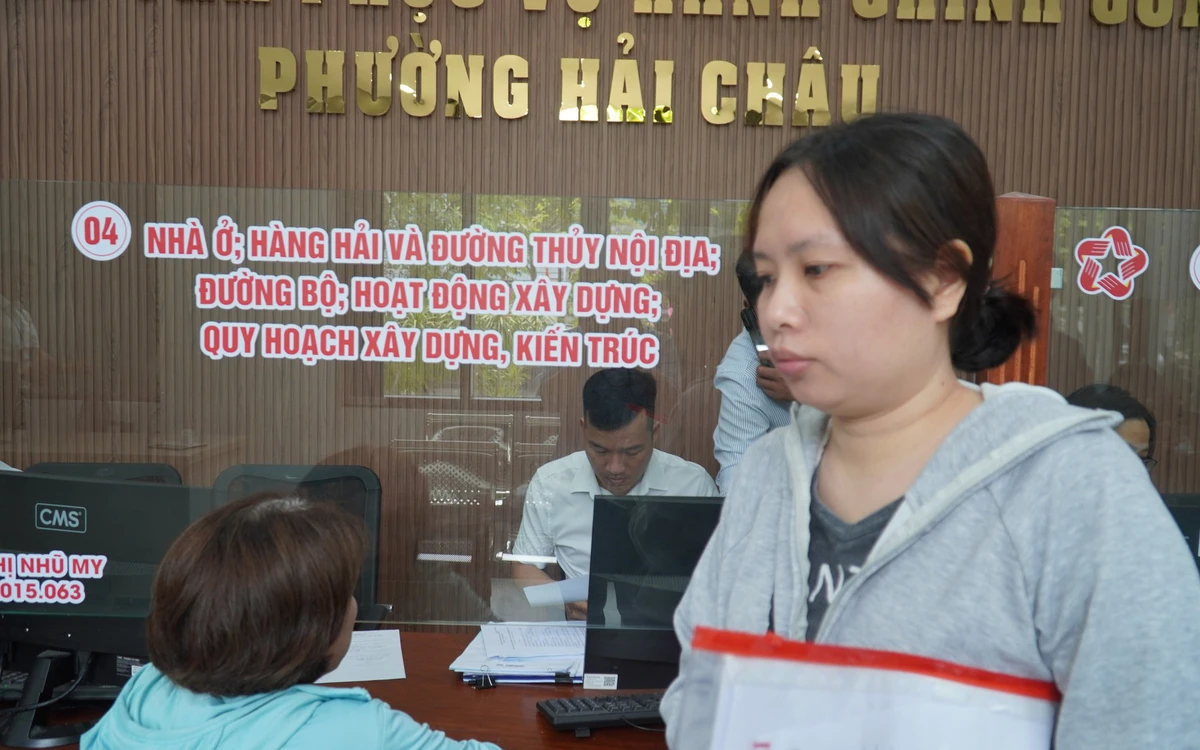
Da Nang Proposes 'One-Level' Admin Service Model Amid Responsibility Concerns
Translated from Vietnamese, summarized and contextualized by DistantNews.
TLDR
- Da Nang is proposing a "one-stop" administrative service center model to streamline public services and reduce bureaucratic redundancy.
- The proposed model aims to consolidate services currently handled by 46 separate commune-level centers, potentially reallocating staff to other essential tasks.
- Concerns have been raised regarding a potential "responsibility gap" between the new city-level branches and existing commune authorities, particularly regarding decision-making and accountability.
Da Nang is embarking on a significant administrative reform, proposing a "one-level" model for its public administrative service centers. This initiative aims to overcome the limitations of the current "two-level" system, which has often led to inefficiencies and a diffusion of responsibility. The city's proposal, currently undergoing public feedback, seeks to centralize services, reduce headcount, and ultimately improve the delivery of public administration to citizens and businesses.
The proposed model involves consolidating services from the existing 46 commune-level centers into a single, city-managed entity. This restructuring would involve temporarily reassigning 138 staff members from the communes to the new branches, while leaving the remaining 295 staff to focus on other specialized tasks within their respective communes. Proponents argue that this consolidation will ensure more equitable and synchronized service delivery across urban, lowland, and mountainous areas.
However, the transition is not without its challenges. During a recent feedback conference, many local officials expressed concerns about the potential for a "responsibility gap." The core issue lies in the division of authority: while the new city-level branches would handle service reception and initial processing, the commune-level People's Committees would still be responsible for signing off on most decisions. This separation could lead to a diffusion of accountability, where neither entity feels fully responsible for service outcomes or delays.
As Tuổi Trẻ, a publication deeply invested in Vietnam's development, we recognize the potential benefits of administrative streamlining. However, we also emphasize the critical need for clear delineation of responsibilities and robust coordination mechanisms. The success of Da Nang's "one-level" model hinges on addressing these concerns proactively. Without clearly defined roles and accountability, the reform risks creating more confusion than clarity, potentially undermining the very efficiency it seeks to achieve. Thorough analysis of policy impacts, comparative effectiveness, and technological readiness is paramount before full implementation.
The commune chairman no longer has direct management of the 'input' from reception, guidance, digitalization, but still has to be responsible for the 'output' – the results and progress. Conversely, the branch manages the 'input' but does not have the authority to sign the decision.
DistantNews Editorial
Originally published by Tuổi Trẻ in Vietnamese. Translated, summarized, and contextualized by our editorial team with added local perspective. Read our editorial standards.
More Stories

From Our Blog

What Gets Lost (and Found) When News Is Translated

The Critical Role of Diaspora Media in Global News

What Travellers Should Know About Countries with Restricted Press

A Digital Nomad's Guide to Following Local News

How the Same Story Looks Different in Different Countries
