


Dangerous caterpillars in forests: Foresters warn walkers | Rzeczpospolita (PL) | 01KXBX1M3RRR41XJCK8GA8JQWG
Translated from Polish, summarized and contextualized by DistantNews.
At a glance
News
Named sources
Context piece
- Foresters in Poland's Rzepin Forest are warning the public about the presence of pine processionary caterpillars.
- The caterpillars' microscopic hairs can cause severe allergic reactions upon contact with skin.
- Visitors are advised to exercise caution, especially near pine trees, and to avoid touching the caterpillars or their nests.
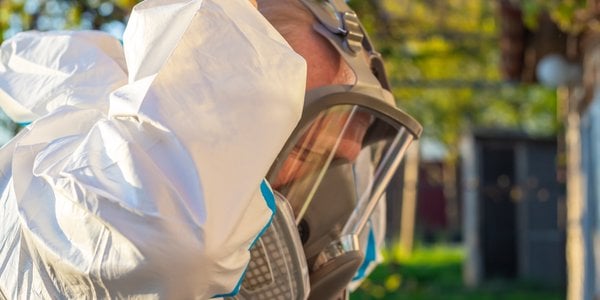
Foresters in the Rzepin Forest, located in Poland's Lubusz Voivodeship, have issued warnings to the public regarding the appearance of the pine processionary caterpillar (Thaumetopoea pityocampa). The larvae of this moth species feed on pine needles and pose a risk to both humans and animals.
The caterpillars are recognizable by their distinctive 'procession' behavior, moving one after another to form a line. Foresters strongly advise against approaching the caterpillars or touching their nests. Special caution is urged for hikers, families with children, and dog owners, as pets might inadvertently come into contact with the insects. It is recommended not to attempt to remove the caterpillars independently, even through clothing.
The primary danger stems from the microscopic hairs covering the caterpillars' bodies. These hairs detach easily and can cause severe allergic reactions upon skin contact, with symptoms resembling burns. The pine processionary caterpillar likely arrived in western Poland through road transport from northern Poland, where it naturally occurs in pine forests on sandy soils and dunes. It has been observed in the Lubusz Voivodeship, particularly along the A2 highway.
While the pine processionary caterpillar is a concern, foresters note that the oak processionary caterpillar (Thaumetopoea processionea), which originates from southeastern Europe, is considered a more dangerous species. Visitors to affected forest areas are advised to avoid places with visible caterpillar clusters. Pets should be kept under control to prevent them from approaching the insects or their nests. In case of direct contact with the caterpillar hairs and subsequent allergic reactions, immediate medical consultation is recommended. Informing the doctor about the contact with the insect is crucial, as burn-like symptoms can be non-specific and difficult to treat without this information.
DistantNews Editorial
Originally published by Rzeczpospolita in Polish. Translated, summarized, and contextualized by our editorial team with added local perspective. Read our editorial standards.
More Stories


From Our Blog

What Gets Lost (and Found) When News Is Translated

The Critical Role of Diaspora Media in Global News

What Travellers Should Know About Countries with Restricted Press

A Digital Nomad's Guide to Following Local News

How the Same Story Looks Different in Different Countries
