

Dangerous Decision? Australia Lets Islamic State-Linked Women and Children Return
Translated from Hungarian, summarized and contextualized by DistantNews.
TLDR
- Australia is facing a complex decision regarding the return of women and children linked to the Islamic State from Syria.
- These individuals are currently in the Al-Roj camp, which faces dire humanitarian conditions and risks of radicalization.
- Legal and societal divisions complicate the government's approach to repatriation, balancing security concerns with humanitarian obligations.
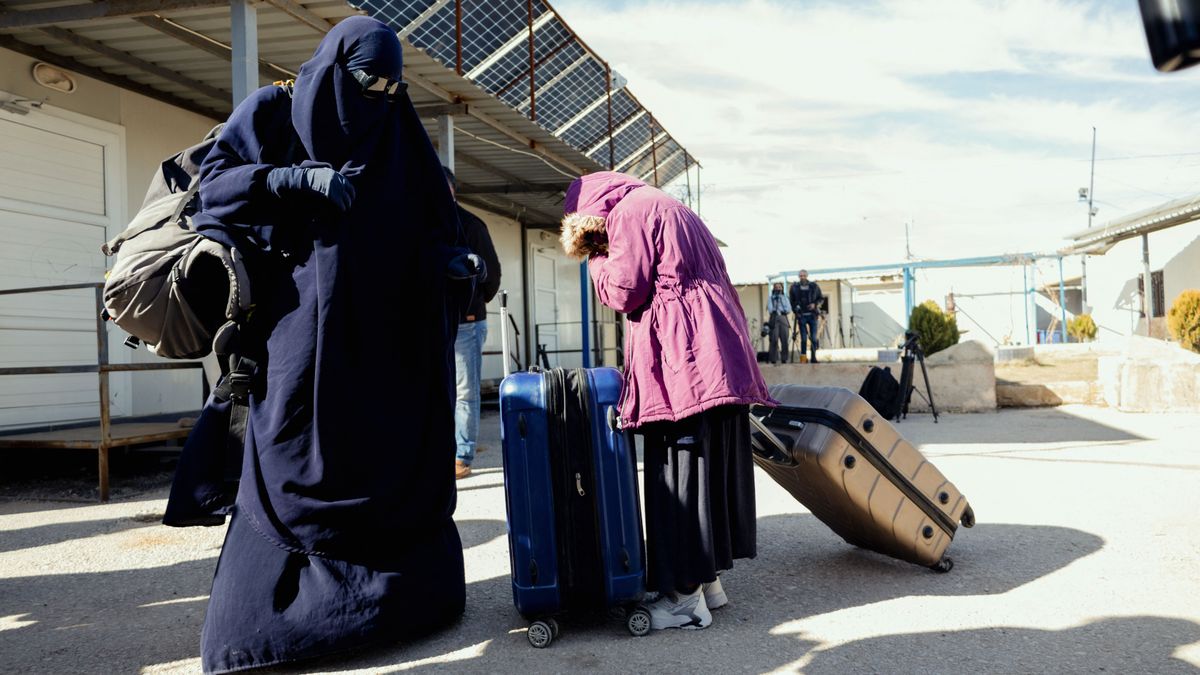
The decision by Australia to allow the return of women and children with ties to the Islamic State from the Al-Roj camp in Syria presents a deeply divisive issue for the nation. While Prime Minister Anthony Albanese has condemned the Islamic State, the government faces significant legal hurdles in preventing citizens from returning, even those suspected of supporting terrorist activities. The article highlights the stark contrast between the government's stance and the reality of legal limitations, which prevent a complete ban on repatriation. This situation is particularly sensitive given the ongoing instability and dire humanitarian conditions in the Al-Roj camp, described as a 'ticking time bomb' due to violence and radicalization.
The Prime Minister has repeatedly emphasized that he despises the Islamic State and stated that the government did not assist these families in returning home.
From a Hungarian perspective, this situation raises profound questions about national security, border control, and the responsibility of a state towards its citizens, even those who have associated with extremist groups. The article notes that many in Australia believe those who willingly joined ISIS should remain in Syria, a sentiment likely echoed in Hungary, where national security is a paramount concern. The presence of refugees who fled ISIS brutality further complicates the emotional and political landscape, creating a sense of injustice for those who have suffered directly from the group's actions.
However, Australian citizens are legally extremely difficult to prevent from returning to the country.
However, the article also presents the counterargument from doctors, human rights advocates, and aid organizations who warn of the escalating danger for children in the camps. Their call for rehabilitation and reintegration in Australia, rather than leaving children to face radicalization, offers a different lens through which to view the problem. This highlights a potential divergence in approach between nations, where some might prioritize immediate security concerns, while others emphasize long-term societal reintegration and the protection of vulnerable children. The unique challenge for Australia lies in navigating these competing interests while upholding its legal obligations and addressing the deep societal divisions the issue has exposed.
There are 'very serious legal restrictions' on denying them entry.
DistantNews Editorial
Originally published by Magyar Nemzet in Hungarian. Translated, summarized, and contextualized by our editorial team with added local perspective. Read our editorial standards.
More Stories


From Our Blog

Countries Without a Free Press: What You Need to Know

What Press Freedom Means for the News You Read

What Gets Lost (and Found) When News Is Translated

The Critical Role of Diaspora Media in Global News

What Travellers Should Know About Countries with Restricted Press
