


Danish farmers to receive compensation for pesticide ban
Translated from Danish, summarized and contextualized by DistantNews.
At a glance
News
Sources not specified
Ongoing story
- Denmark's environment minister announced compensation for farmers most affected by a forthcoming national pesticide ban.
- The ban, aimed at protecting groundwater, is a government priority, with the Prime Minister emphasizing the need for action.
- Details on the compensation mechanism and specific affected farmers are yet to be determined through negotiations with other political parties.
Farmers in Denmark facing the harshest impacts of a national pesticide ban will receive compensation, according to Environment Minister Maria Reumert Gjerding. The announcement comes ahead of crucial negotiations on the matter scheduled for Thursday.
"There is a group of farmers who will be very hard hit. So, to prevent them from being expropriated, there will also be some compensation," the minister told DR. The specifics of how this compensation will be structured and distributed remain unclear and will be a subject of discussion with other political parties.
There is a group of farmers who will be very hard hit. So, to prevent them from being expropriated, there will also be some compensation.
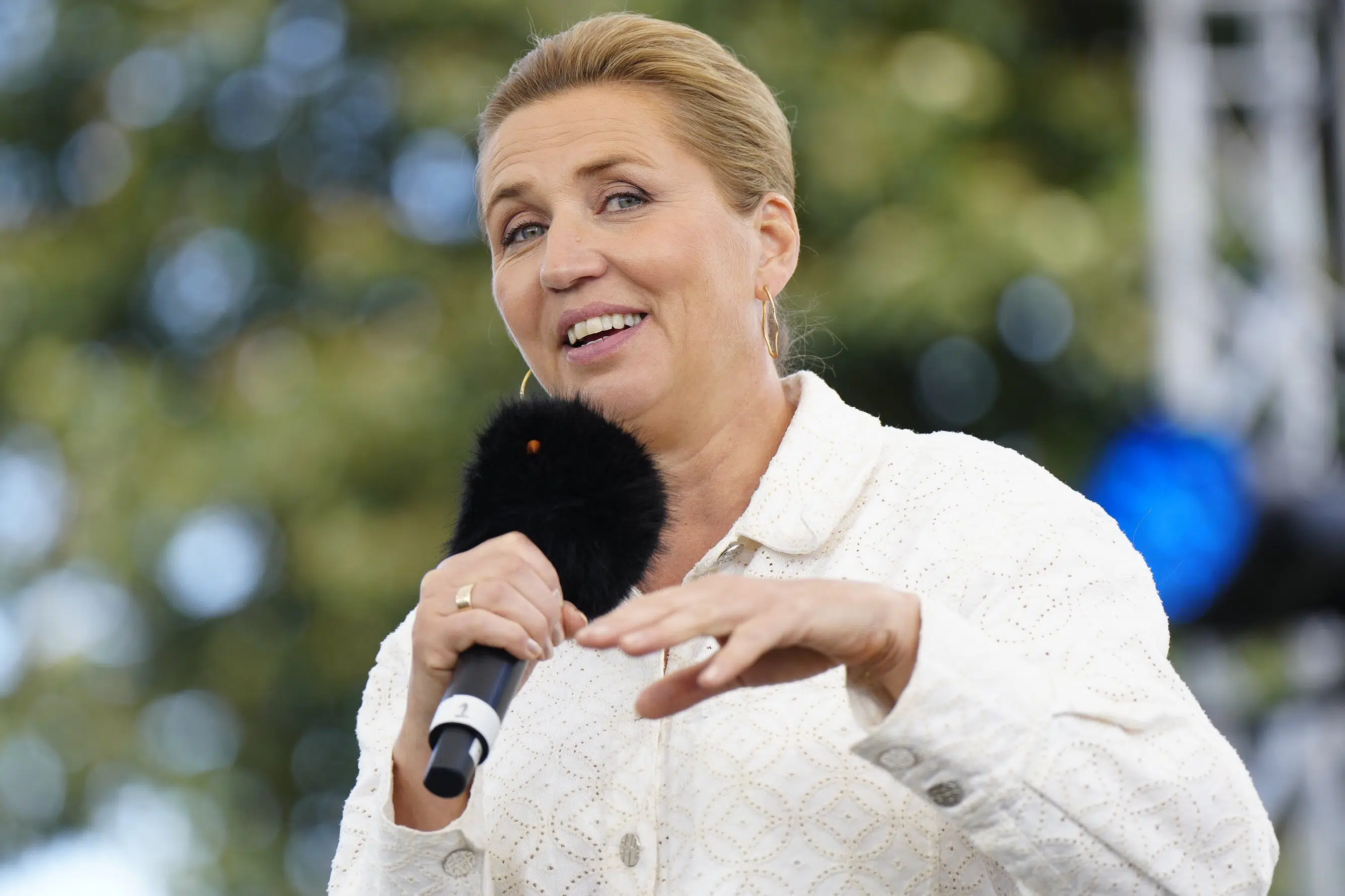
The government plans to implement a national pesticide ban this year, a policy underscored by Prime Minister Mette Frederiksen in her opening speech at the Folkemødet on Bornholm. "One says that children drink the water that fell as rain in their parents' childhood. Therefore, we must act before it is too late," the Prime Minister stated, highlighting the urgency of the environmental protection measure.
The government's platform outlines the implementation of a national ban on pesticides in vulnerable groundwater areas, with a commitment to enacting it "as soon as possible and gradually." This initiative reflects a broader governmental push towards more sustainable agricultural practices and environmental safeguarding.
One says that children drink the water that fell as rain in their parents' childhood. Therefore, we must act before it is too late.
DistantNews Editorial
Originally published by Berlingske in Danish. Translated, summarized, and contextualized by our editorial team with added local perspective. Read our editorial standards.
More Stories
From Our Blog

What Gets Lost (and Found) When News Is Translated

The Critical Role of Diaspora Media in Global News

What Travellers Should Know About Countries with Restricted Press

A Digital Nomad's Guide to Following Local News

How the Same Story Looks Different in Different Countries
