


Day 70 of US-Israel-Iran War: Trump Pushes for Peace Deal Amidst Tensions
Translated from Spanish, summarized and contextualized by DistantNews.
TLDR
- The conflict in the Middle East has entered its 70th day, with the US, Israel, and Iran involved.
- US President Donald Trump is pressuring Iran to accept a peace deal to avoid further attacks, while three US Navy ships transited the Strait of Hormuz despite Iranian actions.
- Iran is reportedly considering a ceasefire and will communicate its decision via Pakistan.
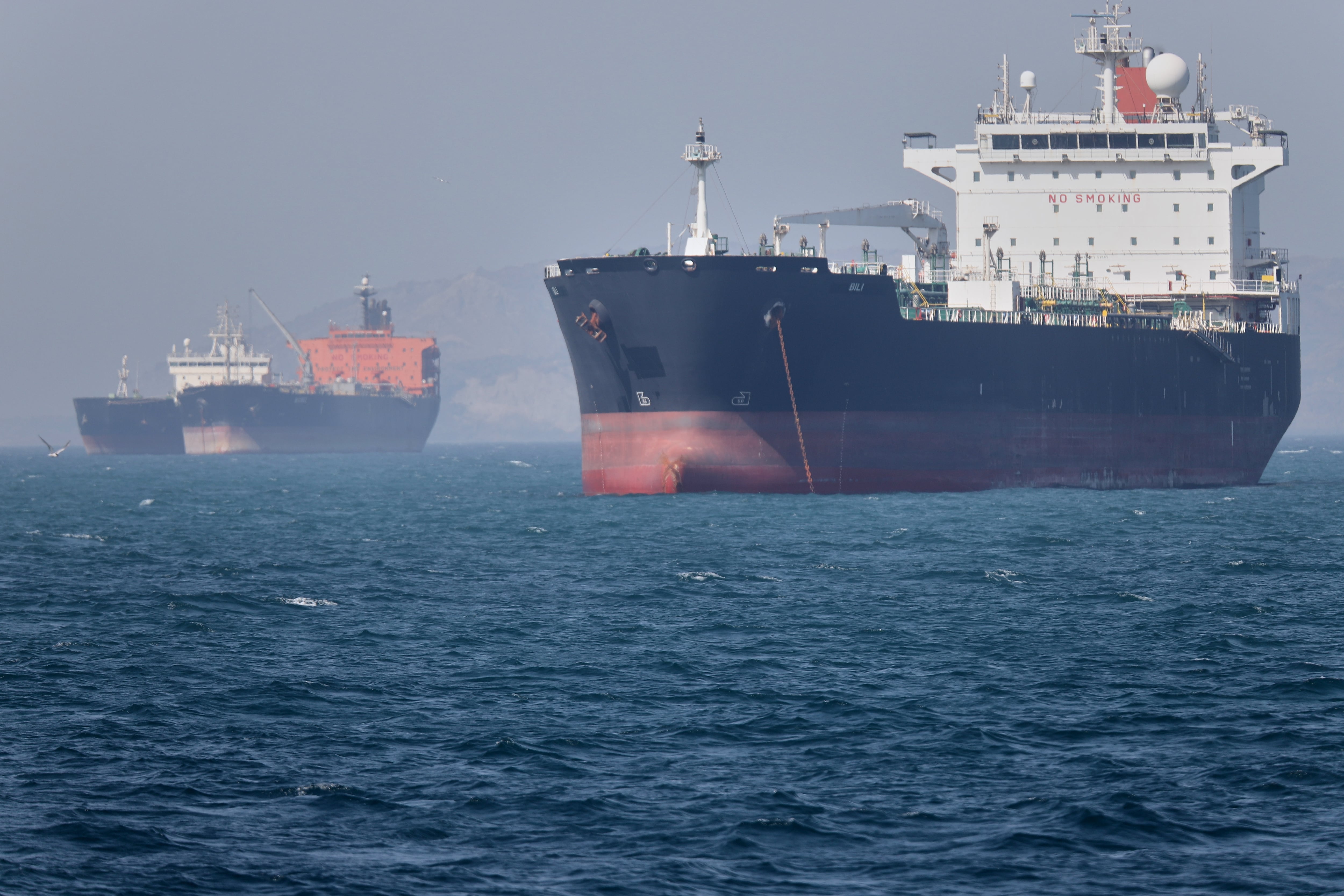
As the 70th day of the Middle East conflict dawns, the world watches with bated breath as the United States, Israel, and Iran remain locked in a tense standoff. The situation is particularly precarious, with US President Donald Trump issuing a stark warning to Tehran: accept a swift peace agreement or face further military action. This diplomatic pressure is underscored by a significant naval maneuver, as three American warships successfully navigated the Strait of Hormuz, a critical chokepoint, despite Iranian provocations.
Reports indicate that Iran is currently 'studying' a potential ceasefire, with indications that its decision will be communicated through Pakistan. This complex geopolitical chess match has global implications, particularly concerning the stability of oil supplies and the security of vital shipping lanes. The involvement of major global powers and the strategic importance of the region mean that any misstep could have far-reaching consequences.
From our perspective, the narrative often presented in Western media tends to focus on the immediate military and political implications. However, for nations in this region, the conflict represents a profound disruption to regional stability, impacting economies, trade routes, and the daily lives of millions. The constant threat of escalation and the potential for wider conflict are daily realities that international coverage may not fully capture. The strategic importance of the Strait of Hormuz, for instance, is not just an economic factor but a matter of national security and regional influence for many countries.
This ongoing crisis highlights the intricate web of alliances, rivalries, and economic dependencies that define the Middle East. The decisions made in the coming days by leaders in Washington and Tehran will undoubtedly shape the future of the region for years to come. Our coverage aims to provide a nuanced understanding, reflecting the local anxieties and strategic considerations that are paramount to those living within the conflict's shadow.
DistantNews Editorial
Originally published by La Nación in Spanish. Translated, summarized, and contextualized by our editorial team with added local perspective. Read our editorial standards.
More Stories


From Our Blog

What Gets Lost (and Found) When News Is Translated

The Critical Role of Diaspora Media in Global News

What Travellers Should Know About Countries with Restricted Press

A Digital Nomad's Guide to Following Local News

How the Same Story Looks Different in Different Countries
