

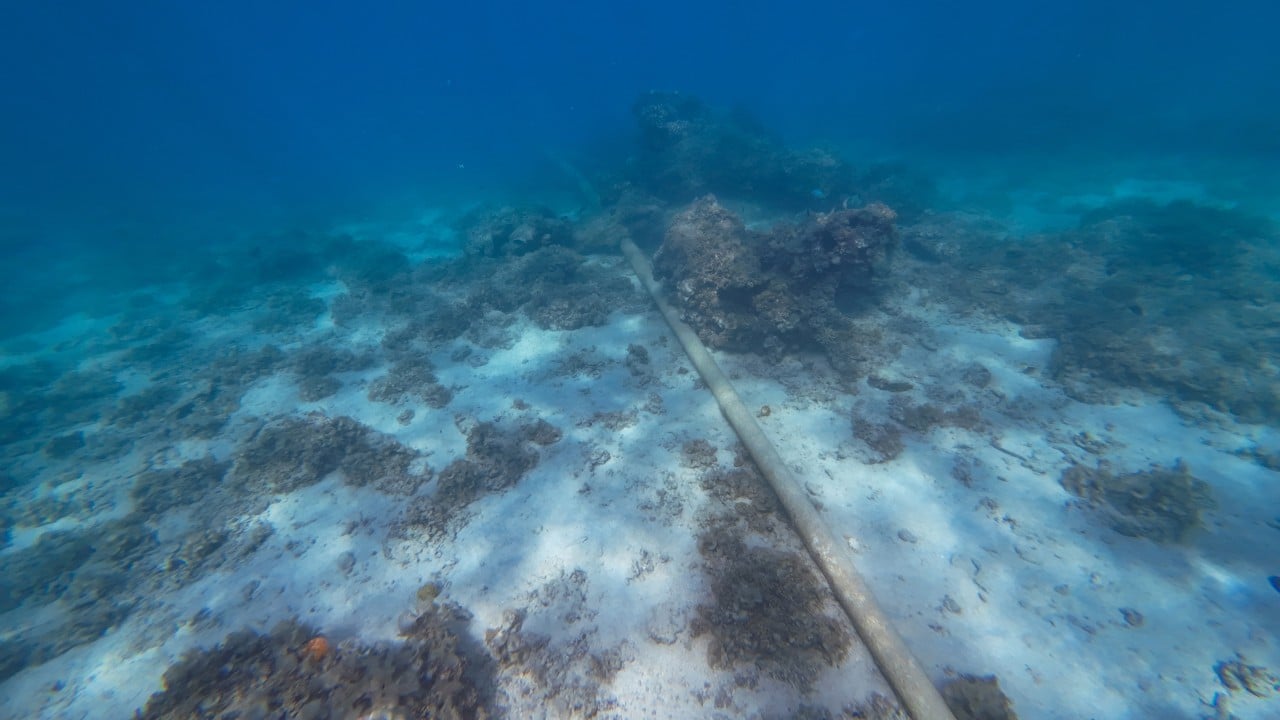
Deep-sea cable cutting threat comparable to nukes, says RETN CEO
Translated from English, summarized and contextualized by DistantNews.
At a glance
News
Named sources
Context piece
- The CEO of internet service provider RETN suggests that damaging deep-sea cables could be used as a psychological weapon in hybrid warfare.
- He likens the threat of cable cutting to that of nuclear weapons, emphasizing the psychological impact over actual use.
- The CEO also warned that the greater threat to the internet comes from naivety regarding network design rather than physical cable damage.
The vulnerability of submarine communication cables during conflicts has emerged as a significant concern for global communication networks and maritime security. In response, 17 Asian and European nations have recently intensified their collaboration on defense strategies. Notably, neither China nor the United States, the two preeminent maritime powers, were among the participating countries.
It does not have quite the same devastating impact with a single use, but it is exactly like a nuclear weapon in a sense that it is not the actual use of it, [but] the threat of the use of it is the bigger issue.
Tony O’Sullivan, CEO of the global internet service provider RETN, argues that the true power of cable-cutting technology lies in its psychological effect as a tool of hybrid warfare. He stated that while cable cuts may not have the same immediate devastating impact as a single use of a nuclear weapon, the threat of their use carries a similar weight. "It is not the actual use of it, [but] the threat of the use of it is the bigger issue," O’Sullivan explained in Hong Kong.
It is about creating an unease in a population with the threat that something might actually happen, and therefore disturbing their normal operations of government or political system.
O’Sullivan elaborated that the psychological impact stems from creating unease within a population by threatening disruptions to normal government or political operations. However, he cautioned against focusing solely on the physical threat of cable cuts. "I do not see the actual idea of cable cuts as the threat. I see the threat to the internet more coming from naivety about network design," he asserted. This perspective suggests that a more fundamental vulnerability exists in how internet infrastructure is designed and managed, rather than solely in its susceptibility to physical attack.
I do not see the actual idea of cable cuts as the threat. I see the threat to the internet more coming from naivety about network design.
DistantNews Editorial
Originally published by South China Morning Post in English. Translated, summarized, and contextualized by our editorial team with added local perspective. Read our editorial standards.
More Stories

From Our Blog

Countries Without a Free Press: What You Need to Know

What Press Freedom Means for the News You Read

What Gets Lost (and Found) When News Is Translated

The Critical Role of Diaspora Media in Global News

What Travellers Should Know About Countries with Restricted Press
