


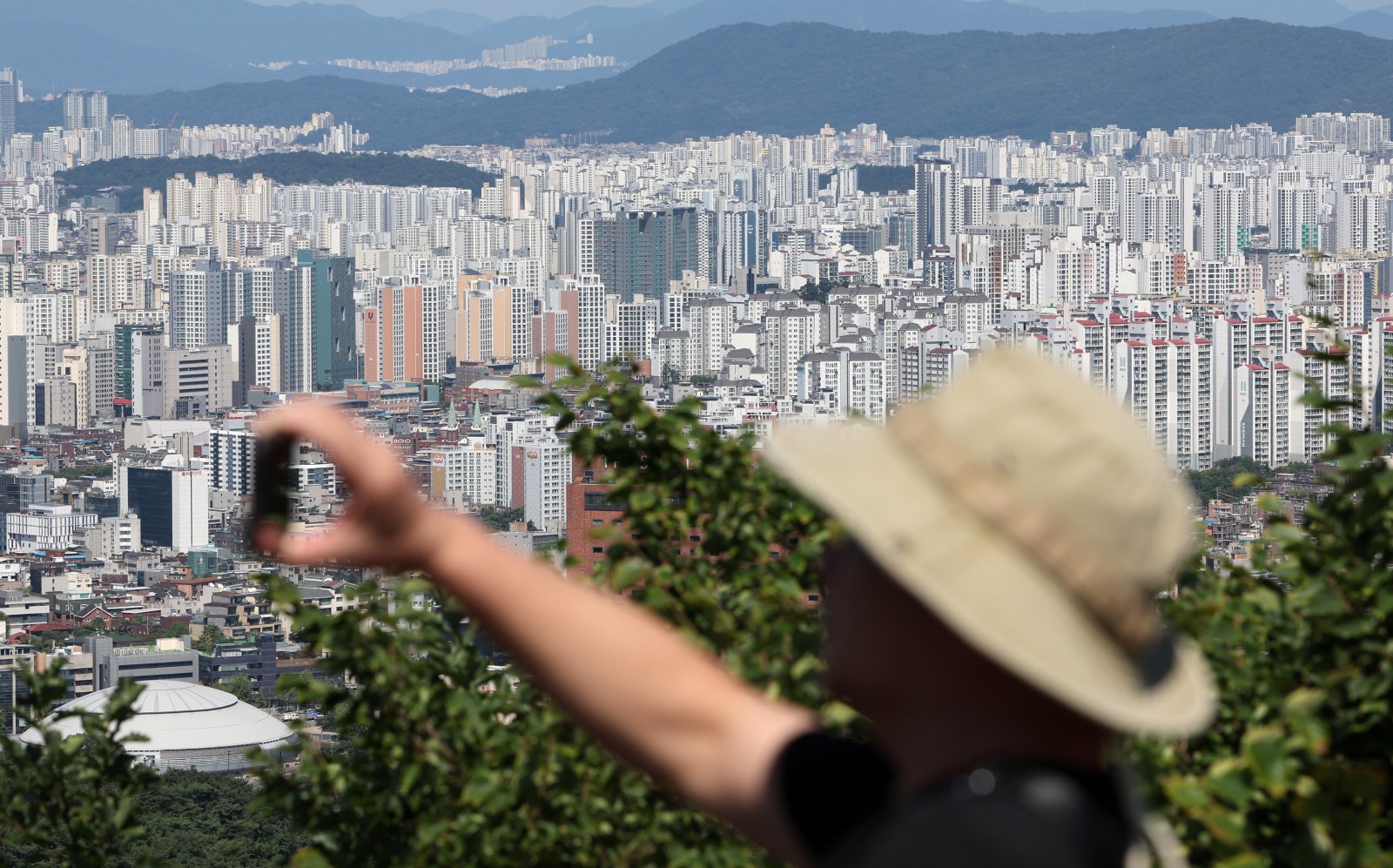
Demand for 'Bogeumjari' loans surges in South Korea amid rising housing prices
Translated from Korean, summarized and contextualized by DistantNews.
At a glance
News
Sources not specified
Context piece
- - Demand for South Korea's "Bogeumjari" loan program has surged among first-time homebuyers in the Seoul metropolitan area.
- Despite five interest rate hikes, the loan's popularity persists due to its long-term fixed interest rate and exemption from the Debt Service Ratio (DSR) regulations.
- This policy loan is increasingly becoming a pathway for young people and newlyweds to purchase homes amidst rising property prices and stricter lending rules.
Demand for South Korea's "Bogeumjari" loan program, a government-backed mortgage, is experiencing a significant surge, particularly among first-time homebuyers in the Seoul metropolitan area. This trend persists despite a series of five interest rate increases, underscoring the loan's appeal in the current housing market.
You can get a long-term fixed interest rate and use the deferred repayment method, which is hard to find at commercial banks, so the initial principal and interest burden was low.
The "Bogeumjari" loan is a policy financial product designed to support owner-occupiers who are first-time homebuyers. It is available to borrowers who meet certain income requirements and are purchasing homes valued at 600 million won or less. Its key advantages include a long-term fixed interest rate and exemption from the Debt Service Ratio (DSR) regulations, which limit the amount individuals can borrow based on their income.
Data from Shin Dong-wook, a member of the People Power Party, revealed that in the first half of this year, the number of "Bogeumjari" loans supplied to the Seoul metropolitan area reached 27,032 cases, accounting for 48.1% of the total supply. This marks an increase from the 41.2% share in the latter half of last year. While the overall supply of "Bogeumjari" loans slightly decreased from 56,685 cases in the second half of last year to 56,218 in the first half of this year, the proportion allocated to the Seoul metropolitan area grew.
There was also the concern that monthly rent costs could increase and the thought that housing prices could rise further.
This surge is attributed to rising housing prices, especially in Seoul, which has seen apartment prices increase for 78 consecutive weeks. The cumulative increase in housing prices in the first half of the year was 1.37% nationwide, but 2.67% in the Seoul metropolitan area and a significant 4.52% in Seoul itself. This has driven many prospective buyers to seek policy loans to secure homes before prices climb further. The loan's structure, offering lower initial repayment burdens through its annuity repayment method, also appeals to borrowers looking to manage their finances effectively.
There are many people who want to own a home in the Seoul metropolitan area, and the perception that prices will continue to rise, so demand for Bogeumjari loans is concentrated in the Seoul metropolitan area.
Experts suggest that the demand for "Bogeumjari" loans is likely to continue in the second half of the year. Professor Kim Dae-jong of Sejong University noted that the Seoul metropolitan area, home to about 30 million people, has a homeownership rate of only 55%, significantly lower than the national average of 75%. This disparity fuels demand for homeownership in the region. Ko Jong-wan, head of the Korea Asset Management Research Institute, added that the loan serves as a stepping stone for young couples and individuals to enter the housing market, especially as rental costs rise. However, the overall supply capacity remains a variable, with 67.5% of the annual supply target already utilized in the first half.
Bogeumjari loans are policy financial products used by many unmarried couples and young people who do not own homes.
DistantNews Editorial
Originally published by Dong-A Ilbo in Korean. Translated, summarized, and contextualized by our editorial team with added local perspective. Read our editorial standards.
More Stories


From Our Blog

What Gets Lost (and Found) When News Is Translated

The Critical Role of Diaspora Media in Global News

What Travellers Should Know About Countries with Restricted Press

A Digital Nomad's Guide to Following Local News

How the Same Story Looks Different in Different Countries
