

Seoul Apartment Rents Hit Record Highs in Eunpyeong, Dongdaemun Amid Severe Shortage
Translated from Korean, summarized and contextualized by DistantNews.
At a glance
News
Named sources
Context piece
- Seoul's apartment rental prices in Eunpyeong and Dongdaemun districts have reached record highs in over four years.
- A significant decrease in available rental properties, down nearly 50% from two years ago, is driving up prices.
- This shortage is attributed to policies like the October 10 measures, which imposed a two-year owner-occupancy requirement in designated land transaction permit zones.
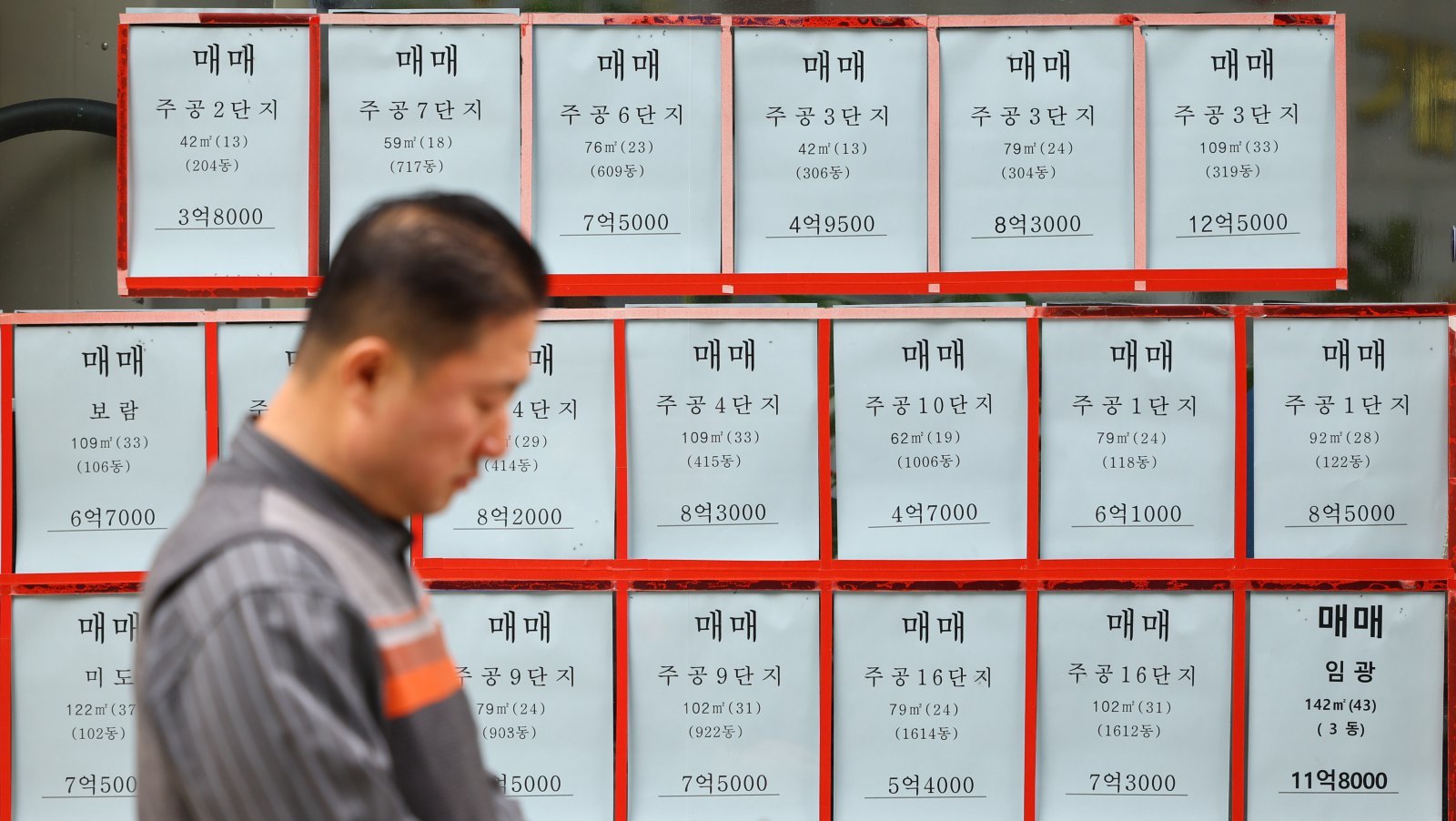
Apartment rental prices in Seoul's Eunpyeong and Dongdaemun districts have hit record highs, surpassing previous peaks from over four years ago. The average weekly increase in Seoul's apartment rental prices was 0.22%, with Eunpyeong seeing a 0.53% rise and Dongdaemun 0.43%, both exceeding the city's average. This surge is particularly pronounced in northern Seoul districts, which are experiencing a more severe supply shortage compared to the southern Gangnam area.
The core issue is a drastic reduction in available rental listings. Data shows that as of the previous day, Seoul had only 15,427 apartment rental listings, a nearly 50% drop from 30,750 listings recorded two years prior. The most significant decreases in available properties were observed in districts like Nowon (-88.5%), Jungnang (-88.0%), Gangbuk (-83.5%), Seongbuk (-83.4%), and Geumcheon (-77.1%).
I looked in several areas but was often told there were no listings, and I could only see one or two places. I wanted to find a place for rent, but the loan requirements were strict and there were no properties available, so I ended up having to rent monthly.
This scarcity is largely attributed to the lingering effects of the "October 10 Measures," implemented in late 2023. These measures designated the entire Seoul area as a land transaction permit zone, imposing a two-year owner-occupancy requirement. This policy has effectively reduced the number of properties available for rent as owners are compelled to reside in their units for a specified period.
The imbalance between supply and demand is evident in the rental supply index for northern Seoul, which stands at 184.8, higher than the city's overall index (178.0) and Gangnam's (171.9). A reading above 100 indicates a supply shortage. The situation is forcing many renters, like office worker Kim Min-jeong, to opt for monthly rent despite preferring to lease, due to the difficulty in finding available properties and stringent loan requirements for deposits. Experts suggest that if the shortage and price increases persist, some renters might shift towards purchasing homes, especially in the more affordable outer areas of Seoul.
Seoul still has factors supporting prices, including reduced new housing supply, overall supply shortages, and demand shifting from renting to buying due to decreased rental listings. The trend could change depending on future interest rate hikes, regulatory direction, and supply conditions.
DistantNews Editorial
Originally published by Dong-A Ilbo in Korean. Translated, summarized, and contextualized by our editorial team with added local perspective. Read our editorial standards.
More Stories


From Our Blog

What Gets Lost (and Found) When News Is Translated

The Critical Role of Diaspora Media in Global News

What Travellers Should Know About Countries with Restricted Press

A Digital Nomad's Guide to Following Local News

How the Same Story Looks Different in Different Countries
