


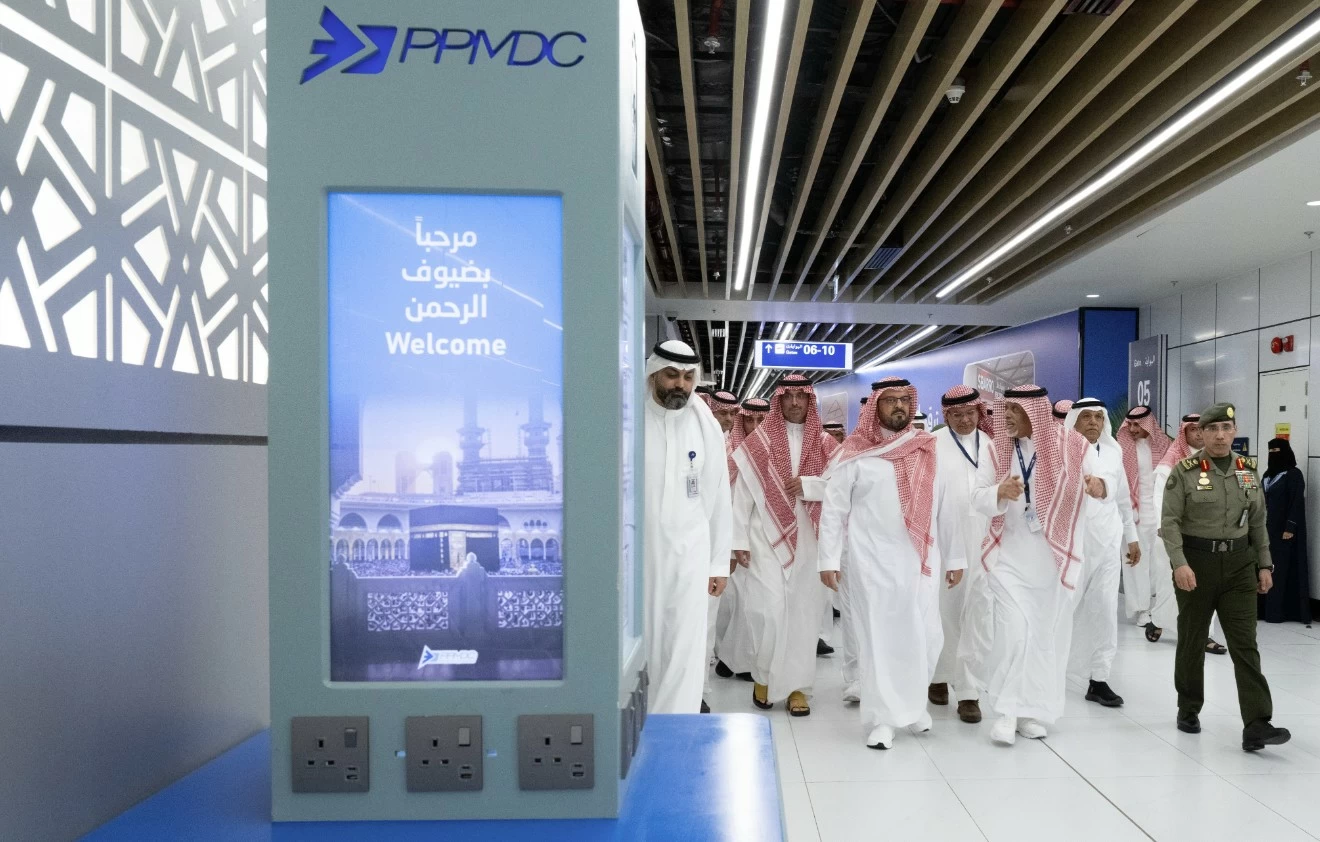
Deputy Emir of Mecca inspects Hajj and Umrah facilities at King Abdulaziz International Airport
Translated from Arabic, summarized and contextualized by DistantNews.
TLDR
- The Deputy Emir of Mecca inspected the Hajj and Umrah halls at King Abdulaziz International Airport to assess service readiness for pilgrims.
- The inspection included security checkpoints, the development project for the halls, and control center technologies aimed at improving pilgrim flow.
- Jeddah airports have prepared extensively for the Hajj season, with over 10,000 staff and integrated operational plans involving 27 government entities.
The Deputy Emir of Mecca, Prince Saud bin Mishal bin Abdulaziz, undertook a significant tour of King Abdulaziz International Airport's Hajj and Umrah halls, underscoring the region's commitment to ensuring a seamless and comfortable experience for pilgrims. This meticulous inspection highlights the meticulous planning and dedication involved in facilitating the spiritual journeys of millions.
Our coverage at Okaz emphasizes the comprehensive nature of the preparations. The Deputy Emir's visit wasn't merely a cursory glance; it involved a deep dive into security procedures, the ongoing development projects aimed at enhancing capacity and service quality, and the utilization of advanced technologies for crowd management. This focus on operational efficiency and pilgrim comfort reflects the profound importance placed on serving the guests of Allah.
The scale of the operation is immense, with Jeddah airports mobilizing over 10,000 staff and coordinating with 27 government and operational entities. The plan includes the deployment of advanced infrastructure, from numerous processing counters and e-gates to dedicated bus bays and health centers. This coordinated effort ensures that every aspect of the pilgrim's arrival and departure is managed with the utmost care and efficiency, reflecting Saudi Arabia's dedication to upholding the highest standards of hospitality and service during the Hajj season.
DistantNews Editorial
Originally published by Okaz in Arabic. Translated, summarized, and contextualized by our editorial team with added local perspective. Read our editorial standards.
More Stories

From Our Blog

What Gets Lost (and Found) When News Is Translated

The Critical Role of Diaspora Media in Global News

What Travellers Should Know About Countries with Restricted Press

A Digital Nomad's Guide to Following Local News

How the Same Story Looks Different in Different Countries
