

Díaz-Canel strongly rejects Trump's new sanctions against Cuba
Translated from Spanish, summarized and contextualized by DistantNews.
TLDR
- Cuban President Miguel Díaz-Canel strongly condemned new U.S. sanctions imposed by the Trump administration.
- Díaz-Canel described the sanctions as "collective punishment" and an act of regional destabilization.
- The sanctions aim to block assets of individuals operating in key Cuban sectors and threaten foreign banks.
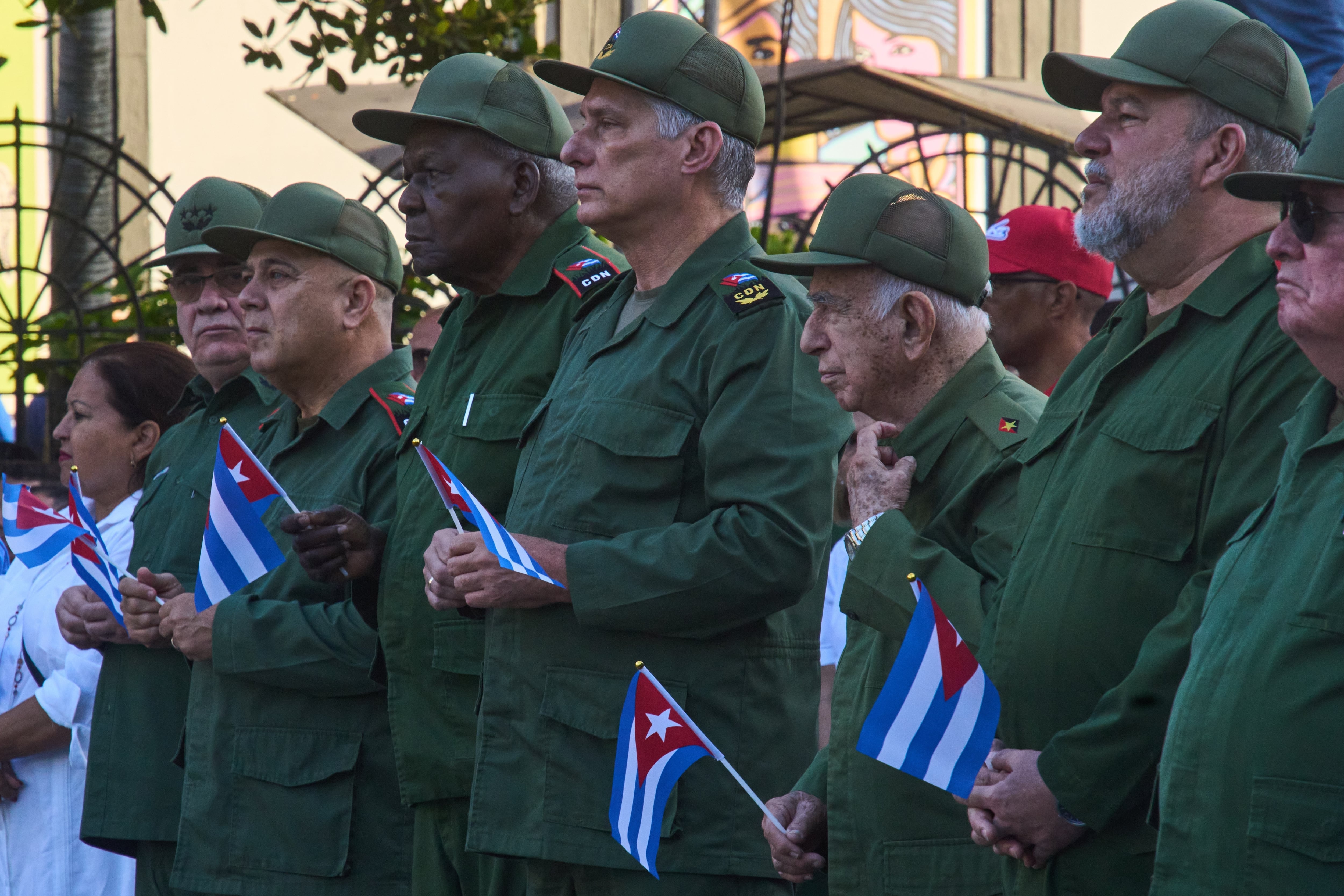
HAVANA (AP) - Cuban President Miguel Díaz-Canel has issued a scathing rejection of the latest sanctions imposed by the United States, denouncing them as an "abusive" form of collective punishment and a blatant act of regional destabilization. The condemnation came in a speech delivered over the weekend to solidarity groups, just a day after President Donald Trump signed a new executive order targeting the island nation.
Esta política no solo busca un ‘cambio de régimen’, sino también constituye un acto de desestabilización regional al forzar a la comunidad internacional a una elección imposible entre su relación con Cuba y el acceso al mercado y al sistema financiero de Estados Unidos
Díaz-Canel asserted that the U.S. policy goes beyond seeking a mere "regime change." He argued that it forces the international community into an untenable position, compelling a choice between their relationships with Cuba and access to the U.S. market and financial system. From the perspective of international relations, the Cuban leader declared the executive order a clear case of direct and unilateral interference, an attempt to impose a political model through economic coercion by leveraging U.S. domestic law to dictate the policies of other sovereign nations, thereby undermining multilateralism.
Sencillamente, desde la óptica de las relaciones internacionales, esta orden ejecutiva es un caso de injerencia directa y unilateral por parte de Estados Unidos
He urged global governments not to tolerate this "abuse," drawing parallels to actions taken in Palestine and Lebanon. The U.S. sanctions, implemented since January, have severely impacted Cuba, leading to widespread power outages, transportation limitations, reduced industrial output, flight cancellations, and shortages of essential goods and medicines. The island nation's own crude oil production meets only about 40% of its needs, making it particularly vulnerable to external economic pressure.
Es un claro intento de imponer un modelo político por coerción económica, utilizando una ley doméstica (de Estados Unidos) para dictar las políticas de otras naciones en detrimento del multilateralismo
International analysts and leaders have warned of a potential humanitarian crisis resulting from this intensified economic blockade. The U.S. narrative, which labels Cuba an "unusual and extraordinary threat" that violates human rights and functions as a failed state, is seen by Cuba as a pretext for its aggressive economic warfare. This latest round of sanctions specifically targets individuals involved in key sectors such as energy, mining, defense, and technology, and extends threats to third-country banks that could face repercussions for engaging in transactions with the island.
Díaz-Canel llamó a los gobiernos del mundo a no tolerar este “abuso” al que comparó con los cometidos en Palestina o Líbano.
DistantNews Editorial
Originally published by La Nación in Spanish. Translated, summarized, and contextualized by our editorial team with added local perspective. Read our editorial standards.
More Stories

From Our Blog

What Gets Lost (and Found) When News Is Translated

The Critical Role of Diaspora Media in Global News

What Travellers Should Know About Countries with Restricted Press

A Digital Nomad's Guide to Following Local News

How the Same Story Looks Different in Different Countries
