


Diesel Prices Pose Greater Economic Threat Than Gasoline
Translated from Vietnamese, summarized and contextualized by DistantNews.
TLDR
- Diesel fuel's rising prices have a more significant economic impact than gasoline, affecting transportation costs for goods like food and construction materials.
- Unlike gasoline, which primarily impacts individual consumers, diesel affects the entire economy by increasing shipping expenses and contributing to inflation.
- Supply pressures, including global supply chain disruptions and refinery adjustments, coupled with sustained high demand, make diesel prices volatile.
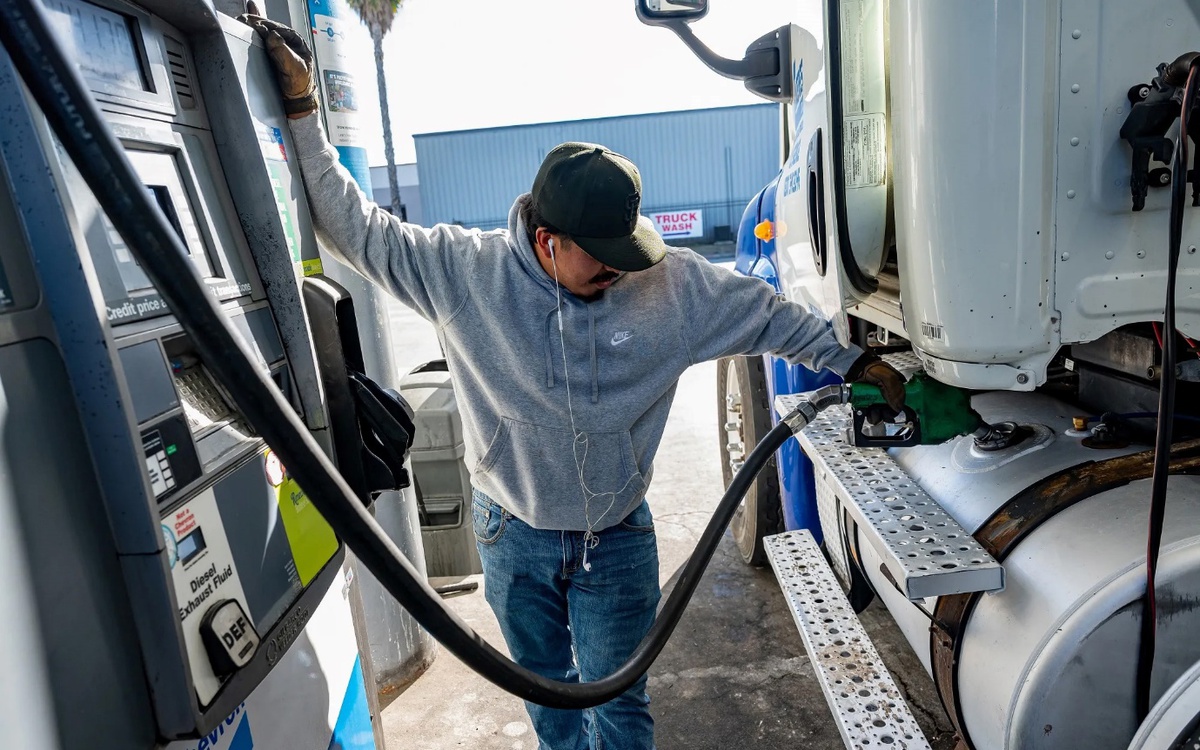
Hanoi – The economic implications of diesel fuel prices are proving to be more profound than those of gasoline, according to recent analysis. Diesel, the lifeblood of heavy transport including trucks, trains, and ships, as well as industrial machinery, dictates the cost of moving goods across the nation. When diesel prices surge, the ripple effect extends far beyond the fuel pump, directly inflating the cost of transporting everything from essential foodstuffs to vital construction materials.
This broad economic impact distinguishes diesel from gasoline. While gasoline's price fluctuations primarily affect individual household budgets, diesel's influence permeates the entire economic ecosystem. Businesses, burdened by increased transportation expenses, inevitably pass these costs onto consumers, leading to a general rise in the prices of goods and services. Consequently, fluctuations in diesel prices serve as a critical indicator of inflationary pressures within the economy.
The current strain on diesel supply is attributed to a confluence of factors. Global supply chain disruptions have created bottlenecks, while shifts in the refining industry, with some facilities reducing capacity or altering production focus, have further constrained availability. Simultaneously, demand for diesel remains robust, particularly within the logistics and industrial sectors, leaving the market vulnerable to supply shocks. This delicate balance explains why diesel prices exhibit significant volatility and are slow to decrease, even when crude oil prices soften.
The sustained high cost of diesel poses a considerable risk to economic growth. Increased operational expenses can erode corporate profit margins and diminish consumer purchasing power. Furthermore, the ongoing transition to cleaner energy sources has yet to provide a viable short-term alternative that can fully replace diesel's critical role in powering the economy. The situation underscores the complex interplay between energy costs, inflation, and economic stability.
DistantNews Editorial
Originally published by Tuổi Trẻ in Vietnamese. Translated, summarized, and contextualized by our editorial team with added local perspective. Read our editorial standards.
More Stories



From Our Blog

What Gets Lost (and Found) When News Is Translated

The Critical Role of Diaspora Media in Global News

What Travellers Should Know About Countries with Restricted Press

A Digital Nomad's Guide to Following Local News

How the Same Story Looks Different in Different Countries
