


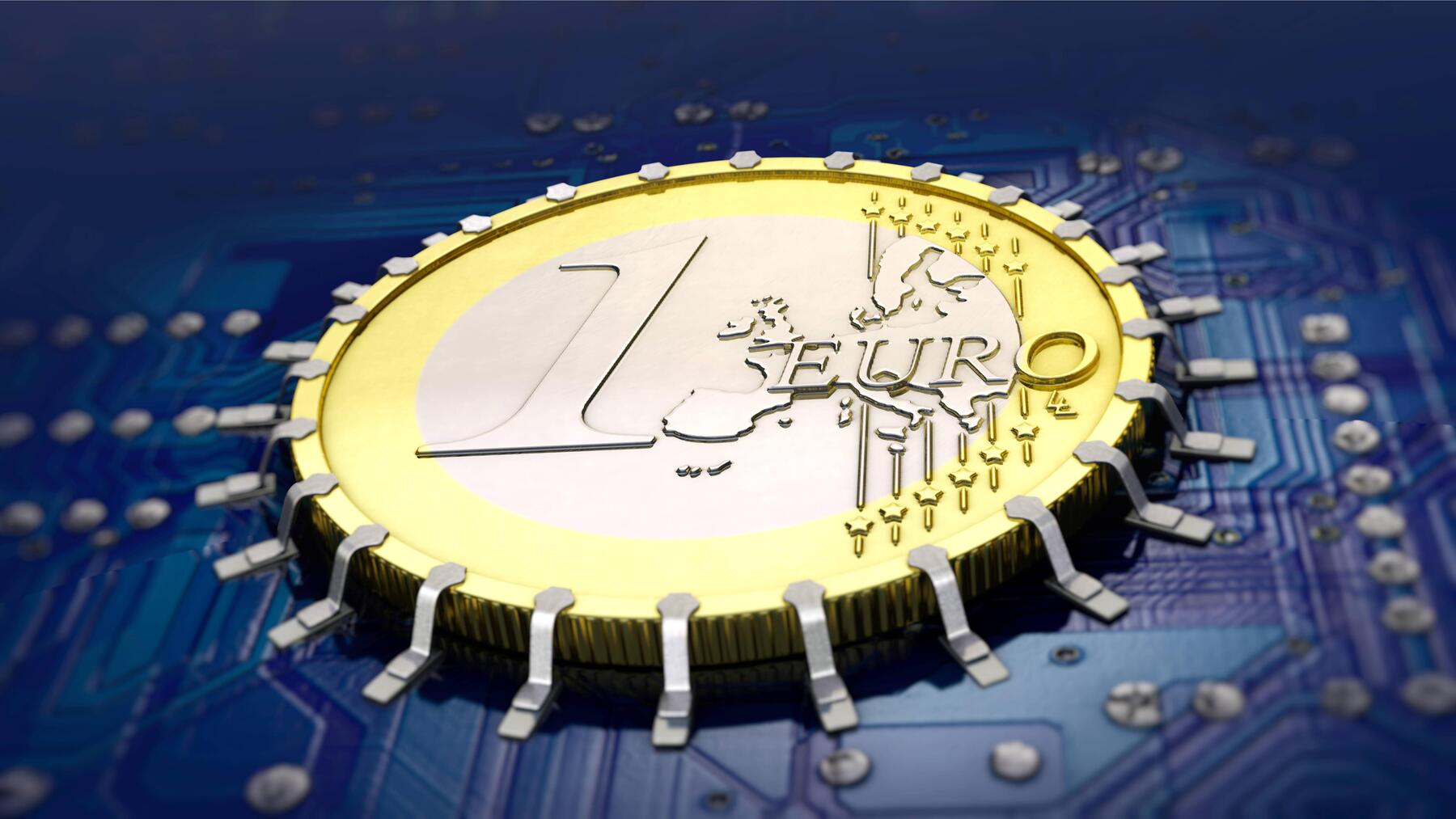
Digital Euro: Not a Threat, but Liberation
Translated from German, summarized and contextualized by DistantNews.
At a glance
Opinion
Sources not specified
Context piece
- A digital euro is intended to complement, not replace, cash, aiming to prevent private foreign providers from dominating the digital payment landscape.
- The current reliance on U.S. payment companies like Visa and Mastercard weakens Europe's financial and strategic autonomy.
- A European, publicly controlled digital payment infrastructure would enhance financial sovereignty and reduce vulnerability to foreign sanctions and market shocks.
The proposed digital euro is not designed to replace cash but to serve as a complementary public digital payment option. "The digital euro is not intended to replace the cash euro, but merely to supplement it," writes Evelyn Regner. "Without a public digital means of payment, we leave the digital field entirely to private foreign providers." Many daily online transactions, from ordering goods to paying for services, are handled by U.S. payment giants like Visa, Mastercard, and PayPal. This reliance grants these companies immense profits and creates a significant dependency for European markets. According to the European Central Bank, some countries are almost entirely dependent on Visa and Mastercard, with Austria at the forefront. This situation weakens Europe's financial and strategic autonomy, tying it closely to the United States. Achieving true independence requires addressing all facets of self-determination, including financial sovereignty. Control over payment infrastructure equates to control over access to money, a powerful lever for political influence. The case of Nicolas Guillou, a judge at the International Criminal Court, illustrates this point. After being placed on a U.S. sanctions list, Guillou was denied access to his own funds because his payment cards utilized U.S. infrastructure. Such instances bolster the U.S. negotiating position and limit the EU's maneuverability, potentially making the bloc vulnerable to blackmail. Furthermore, Europe remains susceptible to shocks originating from the U.S. financial market. The digital euro is therefore presented not just as a monetary policy measure but as a crucial element of security policy. A European, publicly controlled payment infrastructure would be shielded from foreign sanctions regimes, restoring Europe's ability to act autonomously within its own currency area. This move is essential for safeguarding financial sovereignty and ensuring strategic independence.
The digital euro is not intended to replace the cash euro, but merely to supplement it. Without a public digital means of payment, we leave the digital field entirely to private foreign providers.
DistantNews Editorial
Originally published by Die Presse in German. Translated, summarized, and contextualized by our editorial team with added local perspective. Read our editorial standards.
More Stories


From Our Blog

What Gets Lost (and Found) When News Is Translated

The Critical Role of Diaspora Media in Global News

What Travellers Should Know About Countries with Restricted Press

A Digital Nomad's Guide to Following Local News

How the Same Story Looks Different in Different Countries
