

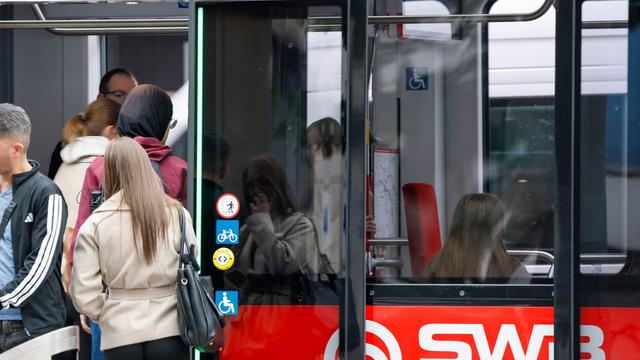

Disabled persons commissioner decries poor public transport accessibility in Germany
Translated from German, summarized and contextualized by DistantNews.
At a glance
News
Named sources
Context piece
- Germany's federal commissioner for the disabled has criticized the lack of accessibility in public transport, citing frequent elevator outages and steps at bus stops.
- Despite a legal obligation for federal states and municipalities to ensure full accessibility by 2022, this target has not been met.
- An ADAC investigation found that only 20% of examined tram stops and 3% of bus stops met recommended standards for easy boarding, particularly for individuals with mobility aids or strollers.
Germany's federal commissioner for the disabled has voiced strong criticism regarding the persistent lack of accessibility in public transportation. Jürgen Duse highlighted issues such as elevators frequently being out of service for weeks and the continued presence of steps at bus stops, especially in rural areas, making travel difficult for people with disabilities. He noted that these obstacles significantly hinder the use of local public transport for many.
Federal states and municipalities are legally mandated to make public transport fully accessible. The Passenger Transport Act required this goal to be achieved nationwide by 2022. However, Duse stated that this deadline has not been met, indicating a significant failure to comply with legal obligations. The commissioner's remarks come in the wake of an investigation conducted by the ADAC, Germany's largest automobile club.
In many places, the elevators often don't work for weeks, and especially in rural areas, there are still steps at bus stops and narrow spaces.
The ADAC study examined approximately 150 bus and tram stops across various German cities, with input from affected individuals. The findings revealed that boarding is often challenging for people with disabilities, as well as for those using walkers or strollers. Specifically, only about 20 percent of the examined tram stops met the recommended standards for adequate spacing between the curb and the vehicle, which is crucial for enabling boarding without a ramp. For buses, the situation was even more critical, with only three percent of stops meeting the precise requirements for easy access.
These findings underscore a significant gap between legal requirements and the reality faced by many citizens. The ongoing lack of accessibility not only inconveniences but can also effectively exclude individuals with mobility impairments from fully participating in public life. The commissioner's public critique aims to draw attention to the issue and pressure authorities to accelerate improvements in public transport infrastructure.
This was not fulfilled.
DistantNews Editorial
Originally published by Die Zeit in German. Translated, summarized, and contextualized by our editorial team with added local perspective. Read our editorial standards.
More Stories



From Our Blog

What Gets Lost (and Found) When News Is Translated

How the Same Story Looks Different in Different Countries

The Critical Role of Diaspora Media in Global News

What Travellers Should Know About Countries with Restricted Press

A Digital Nomad's Guide to Following Local News
