


Dispute Over Health Education Returns. MEN Cuts Program, Emotions Remain High
Translated from Polish, summarized and contextualized by DistantNews.
TLDR
- Poland's Ministry of Education is set to make health education a mandatory subject in primary and secondary schools.
- However, content related to sexual health will be moved to an optional part of the curriculum, sparking debate.
- Experts, including a sexologist, will review the existing curriculum to trim sexual health topics, with child protection issues remaining mandatory.
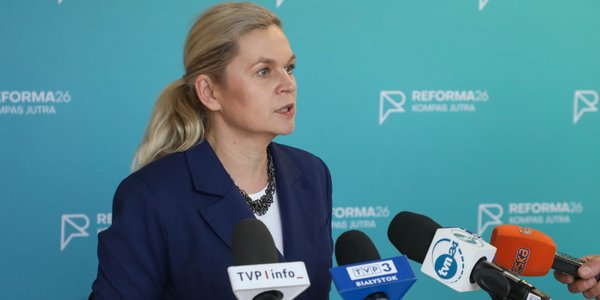
A contentious debate surrounding health education in Polish schools has resurfaced as the Ministry of Education (MEN) announces plans to make it a mandatory subject. While the core subject will be compulsory for students in grades 4-8 of primary school and for two years of secondary education, the ministry's decision to relegate sexual health topics to an optional component has ignited strong reactions.
If it's a matter of whether health education will be mandatory or not, I am willing to compromise so that the hour concerning sexual health is optional.
The MEN's statement indicates that mandatory modules will cover crucial areas such as safety, digital hygiene, nutrition, addiction prevention, mental and physical health, social well-being, and first aid. However, a team of experts, led by Professor Zbigniew Izdebski, a renowned sexologist, will be tasked with reviewing the current curriculum to significantly reduce the scope of sexual health education. These sensitive topics are expected to be confined to a mere two hours per year in the non-compulsory section.
We need to prepare the foundations well – so that no child is harmed by a lack of knowledge on important topics.
This move reflects a political compromise, acknowledging the reservations of certain political factions, notably the Polish People's Party (PSL), which had previously advocated for making health education optional. Minister Barbara Nowacka has expressed regret over this compromise but emphasized the need to ensure that no child is left uninformed on essential topics. The inclusion of experts focused on child protection, such as Joanna Napierała, suggests that safeguarding children remains a priority, even as the broader sexual health curriculum faces cuts. The decision highlights the delicate balance between addressing public health concerns and navigating political sensitivities in educational policy.
If it were either this or no mandatory health education, I would agree to the compromise that the hour on sexual health be optional.
DistantNews Editorial
Originally published by Rzeczpospolita in Polish. Translated, summarized, and contextualized by our editorial team with added local perspective. Read our editorial standards.
More Stories
From Our Blog

What Gets Lost (and Found) When News Is Translated

The Critical Role of Diaspora Media in Global News

What Travellers Should Know About Countries with Restricted Press

A Digital Nomad's Guide to Following Local News

How the Same Story Looks Different in Different Countries
