

District 3 of the National District has the fewest trees
Translated from Spanish, summarized and contextualized by DistantNews.
At a glance
News
Named sources
Context piece
- The third district of the National District has the fewest and lowest quality trees, leading to higher temperatures.
- The second district boasts the best tree coverage, according to an Intec study.
- Researchers attribute the tree deficit in some areas to urban vertical growth, replacing homes with gardens with apartment buildings.
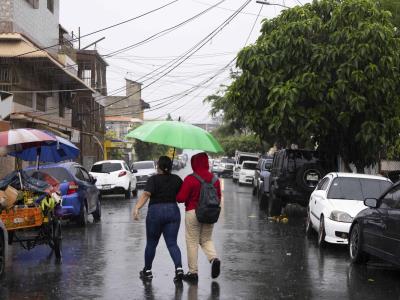
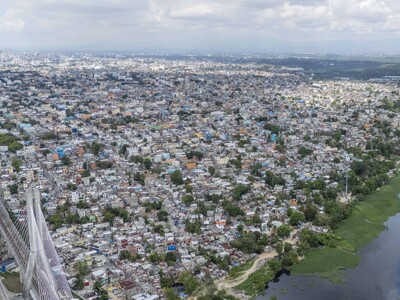
The third district of the National District in the Dominican Republic registers the lowest quantity and quality of trees, consequently experiencing the highest temperatures. In contrast, the second district shows the best tree coverage, according to a study by researchers at the Technological Institute of Santo Domingo (Intec).
The third district includes neighborhoods such as Gualey, Nuevo Domingo Savio, Capotillo, Simón Bolívar, Las Cañitas, María Auxiliadora, Ensanche Espaillat and Luperón, Villas Agrícolas, Villa Juana, and Villa Consuelo. The second district, however, encompasses areas like Arroyo Hondo, Cristo Rey, La Puya, Los Ríos, La Agustina, Los Jardines, Arroyo Manzano, Los Peralejos, Los Girasoles, Ensanche La Fe, and Puerto Isabela, along with communities forming part of the Green Belt of Santo Domingo.
Solhanlle Bonilla Duarte, an environmental economist and Intec researcher, explained that the study, conducted between 2017 and 2019 across 206 plots in the National District using the U.S. Forest Service's I-Tree tool, identified these disparities. Bonilla attributes the tree deficit in certain zones to the city's vertical expansion. This growth has led to the replacement of single-family homes with yards and gardens by apartment buildings, resulting in the removal of much of the existing tree canopy. "Where a family once lived surrounded by trees, dozens of families now live, and many of those trees have disappeared," she stated, adding that increased concrete surfaces and reduced green areas contribute to rising urban temperatures.
Where a family once lived surrounded by trees, dozens of families now live, and many of those trees have disappeared.
DistantNews Editorial
Originally published by Diario Libre in Spanish. Translated, summarized, and contextualized by our editorial team with added local perspective. Read our editorial standards.
More Stories
From Our Blog

What Gets Lost (and Found) When News Is Translated

The Critical Role of Diaspora Media in Global News

What Travellers Should Know About Countries with Restricted Press

A Digital Nomad's Guide to Following Local News

How the Same Story Looks Different in Different Countries
