



Dominican Agriculture Ministry Audits Reveal Lack of Budgetary Transparency
Translated from Spanish, summarized and contextualized by DistantNews.
At a glance
News
Named sources
Context piece
- Two internal audits of the Dominican Republic's Ministry of Agriculture revealed 56 irregularities between September 2020 and December 2024.
- The irregularities include payments and contracts without proper documentation, overdue debts, and vehicle financing for employees without payroll deductions.
- These findings suggest potential misuse of billions of pesos and unreliable financial information, impacting decision-making.
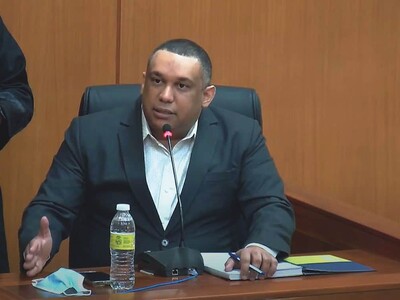
Internal audits have uncovered significant financial irregularities within the Dominican Republic's Ministry of Agriculture, spanning from September 2020 to December 2024 during Limber Cruz's tenure. The reports from the General Comptroller's Office highlight 56 discrepancies, including payments and contracts lacking proper supporting documentation, overdue debts, and vehicle financing for employees without salary deductions.
One audit identified that out of 7,514.5 million pesos in payments executed in 2024, only 4,339.5 million pesos were properly accounted for in the budgetary system. This leaves a gap of 3,174.9 million pesos in payments that were neither supported nor explained, raising concerns about unreliable financial information and potential misuse of funds. The Comptroller's Office warned of the risk of inaccurate financial data affecting administrative decisions, alongside unreconciled or duplicate payments without adequate traceability.
Further issues include 57 disbursements totaling 96.0 million pesos made via checks and bank transfers at the end of 2023, lacking essential documents like quotes, invoices, or appropriation certificates. Additionally, 219.8 million pesos were paid to third parties without review by the internal audit unit. The ministry's procurement and contracting processes also came under scrutiny, with 92.8% of analyzed contracts lacking necessary documentation to prove compliance with established procedures, posing a high risk of regulatory and financial non-compliance.
DistantNews Editorial
Originally published by Diario Libre in Spanish. Translated, summarized, and contextualized by our editorial team with added local perspective. Read our editorial standards.
More Stories


From Our Blog

What Gets Lost (and Found) When News Is Translated

The Critical Role of Diaspora Media in Global News

What Travellers Should Know About Countries with Restricted Press

A Digital Nomad's Guide to Following Local News

How the Same Story Looks Different in Different Countries
